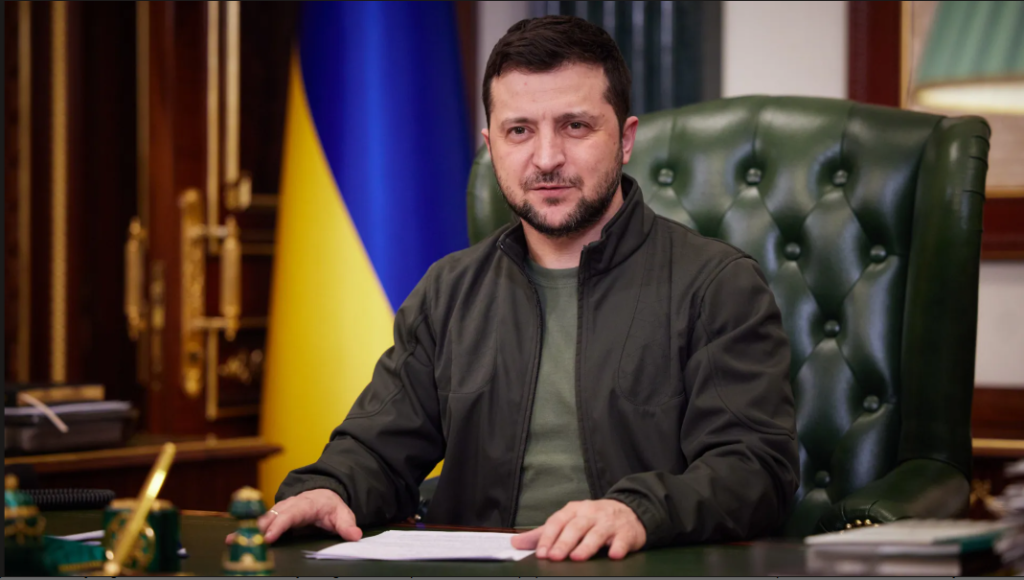



















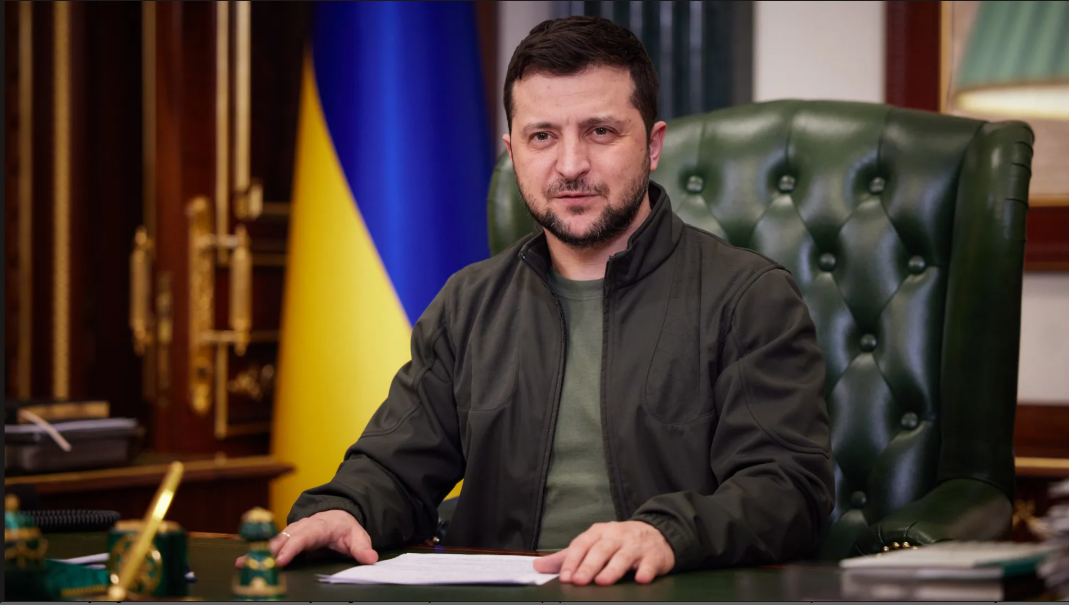
Ukraine’s President Volodymyr Zelensky has written an open letter to Russian President Vladimir Putin, requesting a face‑to‑face meeting to permanently halt the war. In the letter, sent on Thursday, Zelensky called for a fixed date for direct talks, stressing that Ukraine is ready to stop firing if negotiations proceed. He argued that only an in‑person summit could resolve the territorial disputes.

Kremlin’s Response
The Kremlin responded by saying Zelensky is welcome in Moscow at any time. However, Putin insisted he would only meet if a peace agreement had already been finalised, not for preliminary discussions.
ALSO READ: [Pictorial] – Rwandan Peacekeepers Join Umuganda in South Sudan
U.S. Position
U.S. President Donald Trump supported the idea of a meeting, noting it could be valuable but warning that both sides must make concessions. This comes after U.S.‑led talks have stalled without tangible progress.
ALSO READ: Minister Nduhungirehe Says an Impartial Mediator Is Key to Lasting Peace in the Region
Disputed Conditions
Russia maintains that Ukraine must withdraw its forces from Donbas before peace talks can begin, while Ukraine still controls much of the region. Putin has also repeatedly claimed Zelensky lacks legitimacy since his term expired in 2024, though Ukrainian law forbids elections during wartime. Zelensky replied that elections or a referendum could only be held if a ceasefire is achieved.
ALSO READ: Rwanda and France Sign Cooperation Agreements
Escalation in Saint Petersburg
The appeal follows recent Ukrainian drone strikes on Saint Petersburg, coinciding with an international economic forum there. Zelensky warned that if Russia continues its attacks, Ukraine will keep defending itself. Putin boasted of Russian advances, but reports suggest their momentum has slowed since late 2025, giving Ukraine opportunities to reclaim territory.
In response to the drone damage, Putin announced new measures to strengthen Russia’s air defence systems.
Fragile Peace Efforts
This situation underscores the fragile state of peace negotiations, the role of U.S. mediation, and the ongoing battlefield dynamics. Whether impartial mediation and direct talks can break the deadlock remains uncertain, but both sides continue to weigh military action against diplomatic solutions.