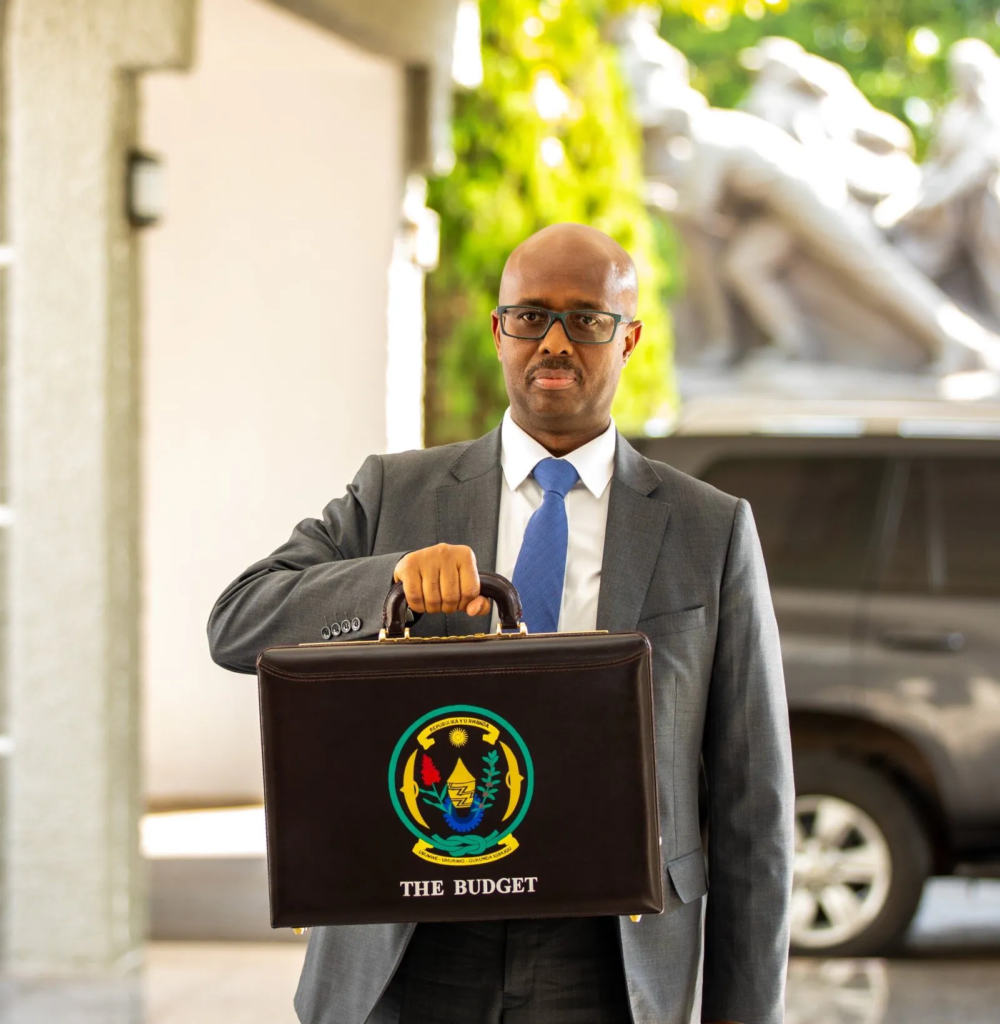






























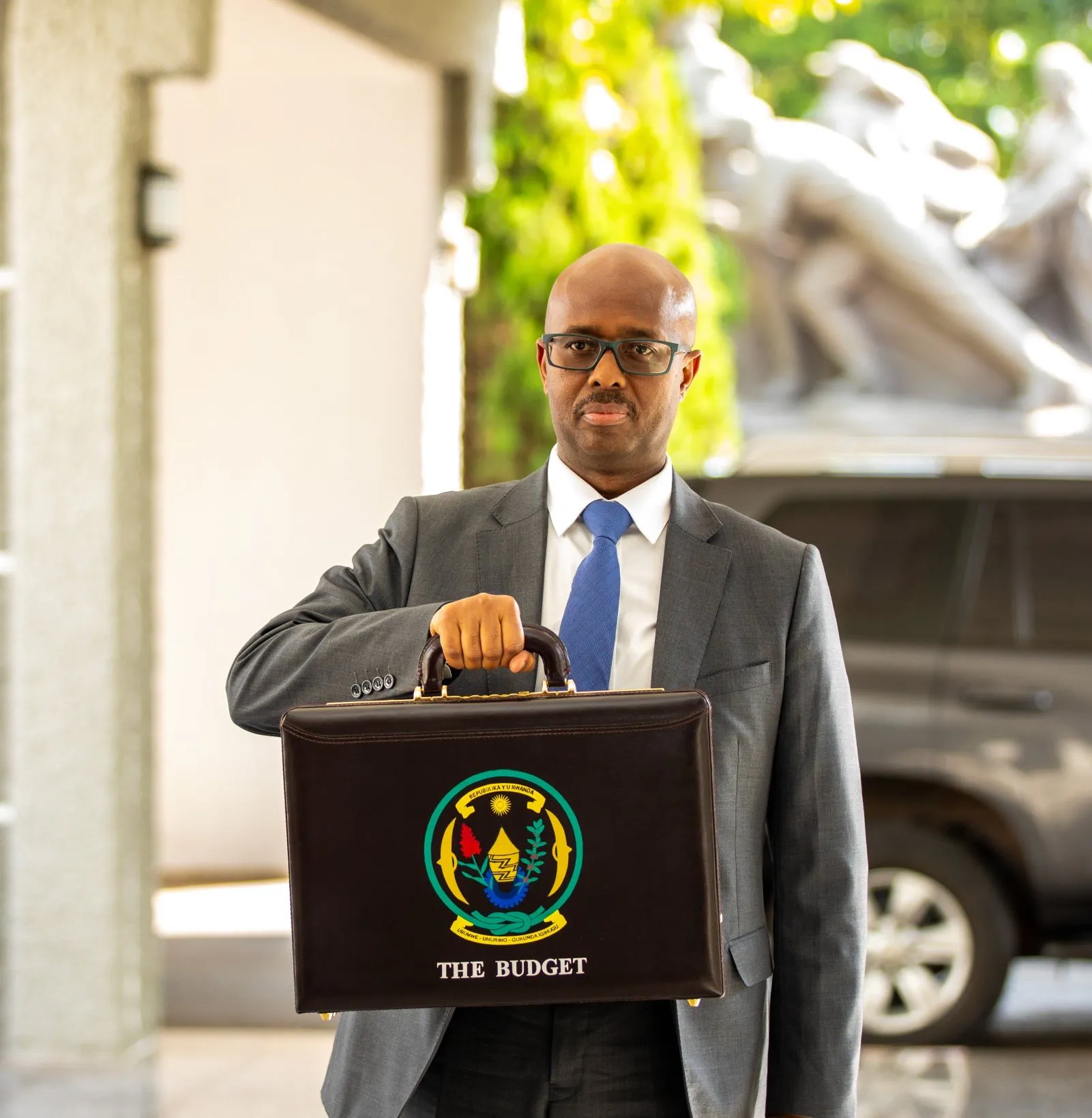
Rwanda officially began its 2026/27 fiscal year on July 1, 2026, with a national budget of Rwf7.7963 trillion, representing a 12% increase from the Rwf6.96 trillion budget for the 2025/26 fiscal year.

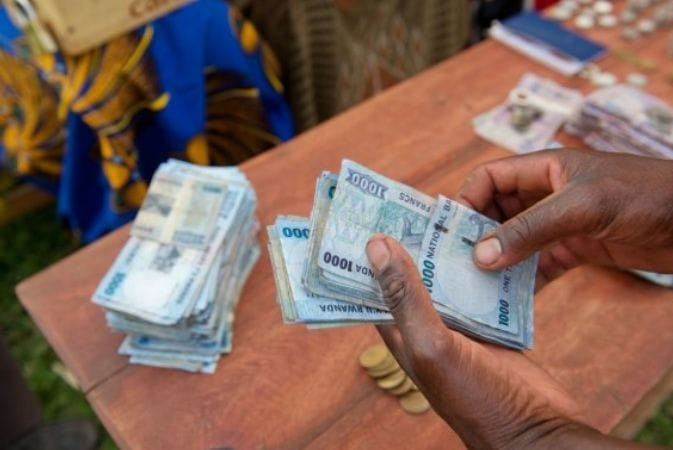
To finance the expanded budget, the Government plans to increase domestic revenue collection. The Rwanda Revenue Authority (RRA) has been tasked with collecting Rwf4.64 trillion in domestic taxes during the fiscal year, while local governments are expected to generate Rwf165.9 billion, bringing domestic financing to 61.6% of the national budget.
Tax compliance efforts will focus on registering more taxpayers, ensuring timely tax declarations and payments, and improving compliance in key sectors, including manufacturing, transport and logistics, ICT, education, construction, engineering, and tourism.
VAT Expansion Means Higher Costs for Consumers
One of the most noticeable changes for consumers is the expansion of Value Added Tax (VAT) to more goods and services.
ICT equipment, including mobile phones and laptops, which had benefited from tax exemptions for more than 15 years, are now subject to 18% VAT. As a result, products such as smartphones and computers have become more expensive, with a device previously costing Rwf250,000 potentially increasing to around Rwf300,000.
Online purchases and digital services are also now subject to VAT. Consumers purchasing products from international online retailers or subscribing to digital services such as streaming platforms, mobile applications, software, online education, website hosting, internet television, online news subscriptions, webinars, and digital marketplaces may notice higher prices.
Foreign companies providing digital services to customers in Rwanda are now required to register for VAT or appoint a local tax representative.
Although higher taxes on petroleum products could increase transport costs and retail prices, the Government allocated Rwf47.7 billion in fuel subsidies between March and June 2026 to cushion consumers from rising fuel prices.
Existing Taxes Continue While Tax Compliance Intensifies
Taxes introduced during the previous fiscal year remain in force.
These include the 3% tourism levy on accommodation services, the 0.2% environmental levy on imported plastic-packaged goods, and the fuel levy used to finance Rwanda’s strategic petroleum reserves, which increased to Rwf50 per litre for petrol and diesel.
Excise duties on imported hybrid vehicles also remain applicable, with tax rates ranging from 5% to 15% depending on the vehicle’s age, while road maintenance levies continue to apply to fuel and motor vehicles.
Rather than introducing many new taxes, the Government expects additional revenue to come mainly from stronger tax compliance. During the 2025/26 fiscal year, the RRA registered 126,282 new taxpayers, generating nearly Rwf15 billion in revenue, while 43,243 businesses adopted the Electronic Billing Machine (EBM) system.
Consumers are encouraged to request an EBM receipt for every purchase, with more than one million people already enrolled in the 10% EBM receipt reward scheme. Businesses that fail to issue receipts risk penalties, and a new Ministerial Order is expected to allow customers to initiate receipt generation before sellers validate transactions.
How the Government Plans to Spend the Budget
The Government has allocated the Rwf7.7963 trillion budget across recurrent expenditure and development priorities.
The recurrent budget amounts to Rwf5.3065 trillion, representing 68% of total expenditure, while the development budget totals Rwf2.4897 trillion, accounting for 32%.
Spending will be guided by three national priorities:
- Economic Transformation: Rwf4.9008 trillion (62.9%)
- Social Transformation: Rwf1.8342 trillion (22%)
- Transformational Governance: Rwf1.1882 trillion (15.1%)
These allocations are intended to support Rwanda’s long-term economic growth, social services, and public sector reforms.
Manufacturers Continue to Benefit from Selected VAT Exemptions
While consumers will pay VAT on more products and services, certain manufacturers continue to benefit from targeted tax exemptions introduced through a Ministerial Order issued in April 2026.
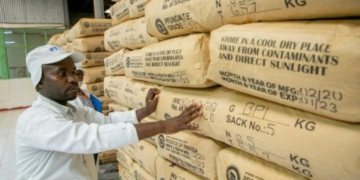
Eligible manufacturers registered in Rwanda as companies, cooperatives, or sole proprietorships may receive VAT exemptions on approved machinery, industrial equipment, and raw materials used in manufacturing, mining, and quarrying activities.
To qualify, businesses must demonstrate that the exempted equipment directly supports production, maintain proper financial records, follow tax administration procedures, and achieve at least 30% value addition during the manufacturing process.
The Government says these exemptions are intended to strengthen local production, encourage industrial investment, and improve the competitiveness of Rwanda’s manufacturing sector while maintaining strong domestic revenue collection.