






























Artificial Intelligence is advancing rapidly and has now entered the field of reproductive medicine, offering new hope to couples who once faced impossible odds of conceiving.

In IVF (In Vitro Fertilisation) clinics, AI is being used to detect sperm or eggs that traditional methods could not identify, transforming fertility treatments worldwide.
ALSO READ: Zelensky Appeals for Direct Talks with Putin
STAR System: Finding Hidden Sperm
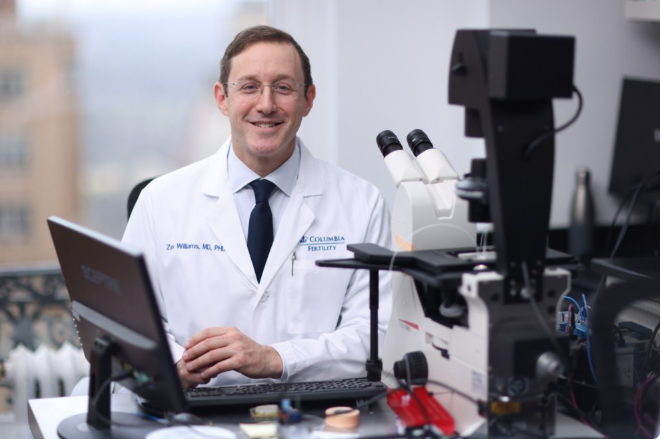
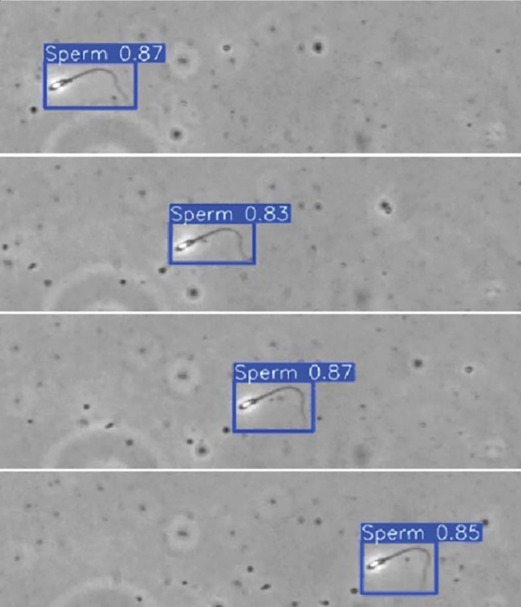
One breakthrough is the STAR system (Sperm Tracking and Recovery), developed at Columbia University Fertility Centre. It uses ultra‑high‑resolution imaging to capture over 8 million frames in less than an hour, with AI analysing them to locate healthy sperm.
ALSO READ: [Pictorial] – Rwandan Peacekeepers Join Umuganda in South Sudan
In one case, a man with Klinefelter syndrome, whose semen showed no sperm under a microscope, had eight viable sperm identified by STAR. These were used to fertilise his wife’s eggs, leading to a successful pregnancy after years of failed attempts.
OvaReady: Detecting More Eggs
Another innovation, OvaReady, created by Auto IVF, helps detect eggs during IVF. Studies show it can find more than 50% additional eggs that would otherwise be missed, significantly improving chances of success. Doctors explain that AI makes it possible to “find a needle in a haystack” quickly and precisely, something human eyes alone cannot achieve.
ALSO READ: Element (EleéeH) Featured in Apple Music Program Promoting African Talent
Ethical Debates in Embryo Selection
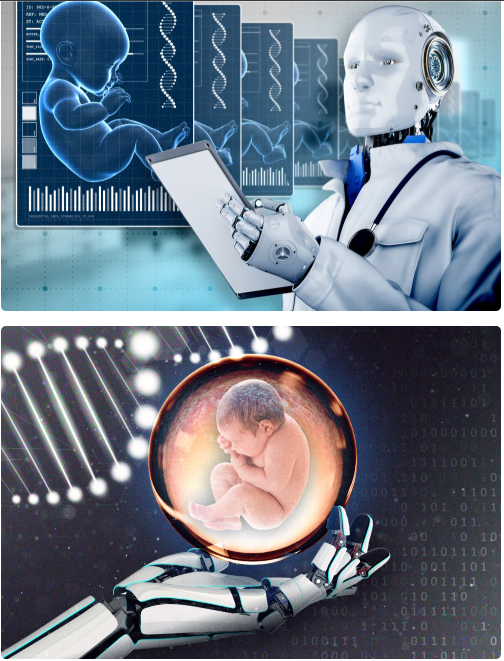
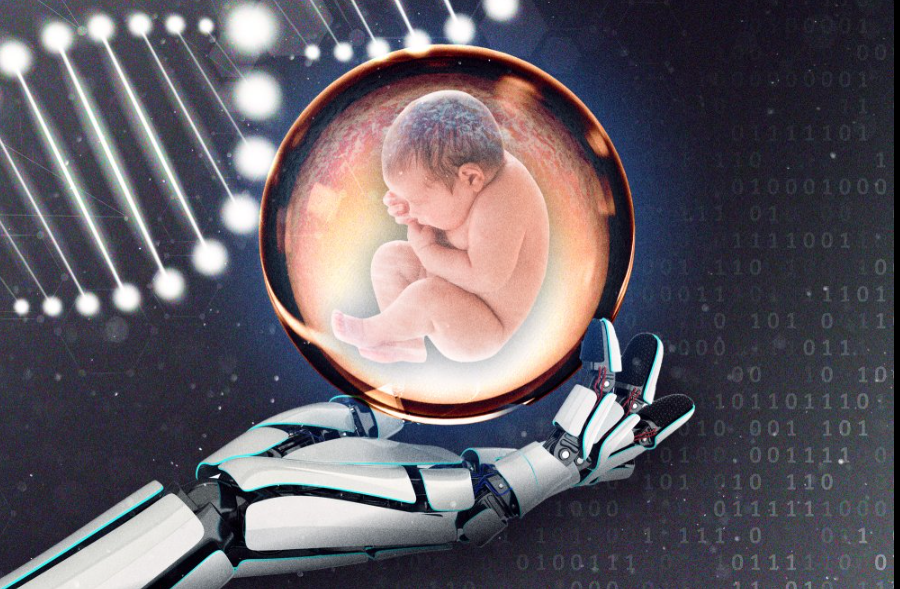
AI is also being tested to select embryos most likely to develop healthily and avoid certain genetic risks. However, this raises ethical debates when AI is used to predict traits such as height or intelligence.
While the technology offers powerful possibilities, it also challenges society to consider the boundaries of genetic screening.
Visible Impact and Future Outlook
The impact is already visible: the first baby born to a father with azoospermia (no sperm visible in semen) using STAR technology arrived in December, after the parents had tried for 18 years.
Experts believe that within five years, AI will play a major role in selecting sperm, eggs, and embryos with the highest potential for healthy development, reshaping fertility medicine, genetic screening, and healthcare innovation.