

























German luxury car manufacturer BMW is intensifying efforts to regain its position in China’s fast-growing electric vehicle (EV) market after experiencing declining sales in the country for two consecutive years.

The company is counting on its next-generation electric vehicle platform, Neue Klasse, to compete more effectively with Chinese automakers led by BYD, as well as other rapidly expanding domestic EV brands.
The Chinese market has become a key focus for BMW as competition continues to reshape the global automotive industry.
Chinese Competition Pressures BMW’s Performance
BMW has identified China’s increasingly competitive EV market as one of the main factors affecting its financial performance.
Chief Production Officer Milan Nedeljkovic acknowledged that challenges in China contributed to the company’s declining profits, while vehicle sales in the country dropped by 30% during the second quarter of this year.
Industry analysts say BMW was slower than many Chinese competitors in introducing advanced electric vehicle models, allowing domestic manufacturers to capture a larger share of the market.
Neue Klasse to Lead BMW’s Comeback Strategy
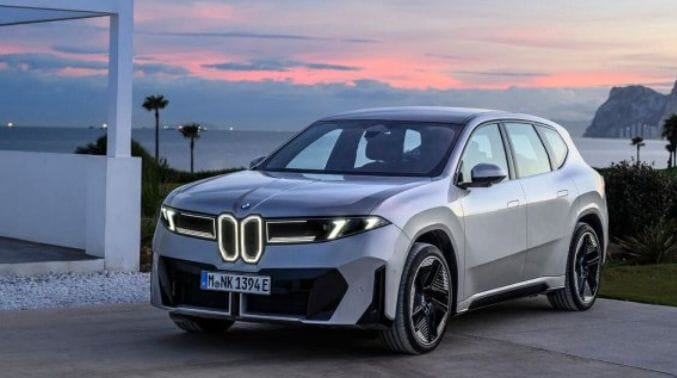
BMW hopes its Neue Klasse electric vehicle lineup will help restore its competitiveness in China.
The first model built on the new platform, the BMW iX3 SUV, is scheduled to enter the Chinese market in November.
The company expects the new vehicle to compete directly with popular Chinese electric vehicle brands, including BYD, Nio, Geely Zeekr, and Xiaomi, which have gained strong consumer support through advanced digital technologies and innovative vehicle features.
Chinese Consumers Shift Toward Domestic Electric Vehicles
For many years, German manufacturers such as BMW, Audi, and Mercedes-Benz dominated China’s premium vehicle market with their petrol and diesel-powered luxury cars.
However, consumer preferences have shifted rapidly toward locally produced electric vehicles, which offer features such as seamless smartphone integration, advanced driver-assistance systems, intelligent connectivity, and other smart technologies.
Today, fully electric vehicles account for nearly 46% of all vehicle sales in China, while BMW’s fully electric models represent only about 5% of its sales in the country. BMW’s overall sales declined in both 2024 and 2025, with Mercedes-Benz and Audi also reporting falling sales.
BMW Continues Investing in China
Despite growing competition, BMW says it remains committed to the Chinese market and is continuing to invest heavily in products designed specifically for local consumers.
The company is focusing on enhancing digital services, connectivity, and smart vehicle technologies that allow seamless integration with smartphones and other connected devices.
BMW believes these investments, combined with the launch of its Neue Klasse models, will strengthen its competitiveness and position the company for long-term growth in the world’s largest electric vehicle market.