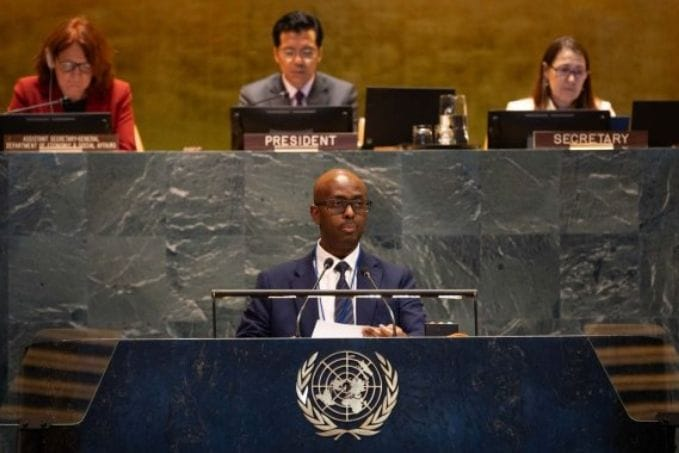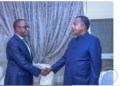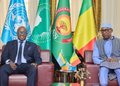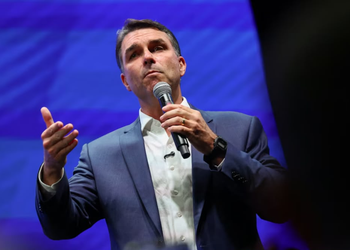

















Rwanda’s Minister of Finance and Economic Planning, Yusuf Murangwa, has told United Nations member states that achieving the Sustainable Development Goals (SDGs) requires countries to adopt long-term planning, implement sound public policies, and build strong institutions capable of driving sustainable economic growth that improves people’s lives.

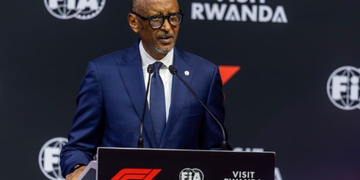
He made the remarks on July 13, 2026, at the United Nations Headquarters in New York, where he was accompanied by Rwanda’s Permanent Representative to the United Nations, Ambassador Martin Ngoga, during the High-Level Ministerial Meeting on Sustainable Development held from July 13 to 15, 2026.
Integrating SDGs into National Priorities
Addressing delegates, Minister Murangwa said all countries share the responsibility of improving the well-being of their citizens by 2030, the target year for achieving the Sustainable Development Goals.
“Our experience demonstrates that accelerating the achievement of the Sustainable Development Goals is possible when they are integrated into a country’s national priorities. This must also be supported by sound policies, strong institutions, and productive investments that generate sustainable economic growth and improve people’s quality of life,” he said.
He emphasized that aligning national development strategies with the SDGs is essential for delivering lasting social and economic progress.
Rwanda Highlights Progress in Economic Growth and Poverty Reduction
Murangwa told the meeting that Rwanda has achieved significant progress in economic development and social transformation through visionary leadership, long-term planning, and a people-centered development strategy.
He noted that Rwanda’s economy recorded an average annual growth rate of 9% between 2021 and 2025, while the national poverty rate declined from 39.8% in 2017 to 27.4% in 2024.
Life expectancy also increased to 70.2 years in 2025, reflecting improvements in healthcare and overall living standards.
“These are not merely economic statistics. They reflect real improvements in people’s lives, greater opportunities for citizens, and stronger resilience to challenges, all of which contribute to achieving multiple Sustainable Development Goals,” Murangwa said.
Strong Institutions and Human Capital Drive Progress
According to the minister, Rwanda’s achievements have been supported by sustained investment in human capital, effective public institutions, and long-term national planning.
He explained that reducing poverty has also accelerated progress in other sectors, including healthcare, education, nutrition, employment, and inclusive economic growth, demonstrating the interconnected nature of the Sustainable Development Goals.
Murangwa said building capable institutions remains essential to successfully implementing government programmes and sustaining development gains.
Rwanda Reports Encouraging Progress Toward the 2030 Goals
The 17 Sustainable Development Goals, adopted by the United Nations in 2015, aim to eradicate poverty, protect the environment, promote sustainable economic growth, and advance peace and prosperity worldwide by 2030.
According to Rwanda’s Ministry of Finance and Economic Planning, the country has made encouraging progress toward these goals. At the beginning of 2026, the ministry reported that 28% of SDG indicators had already been achieved or were on track to be achieved.
Meanwhile, 53% of the indicators are progressing but at a slower pace than required, while 19% have regressed and will require intensified efforts to return to the path needed to achieve the 2030 global development agenda.