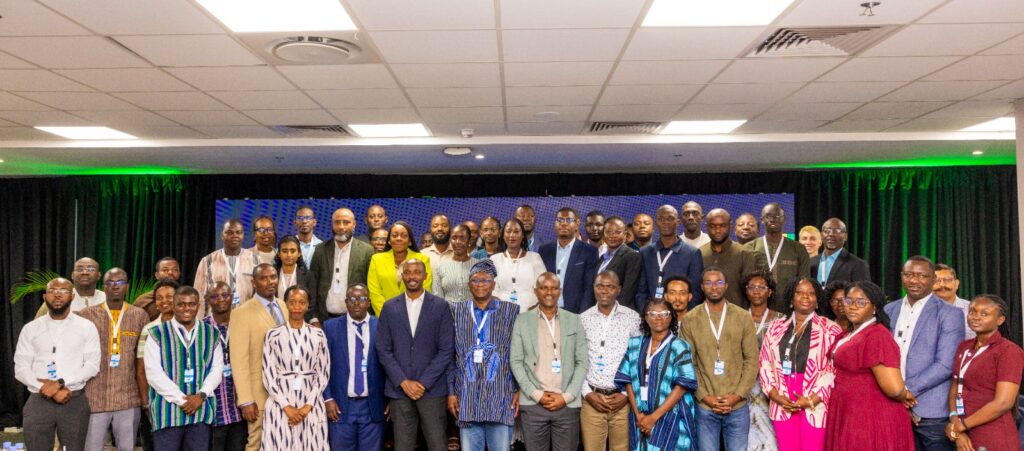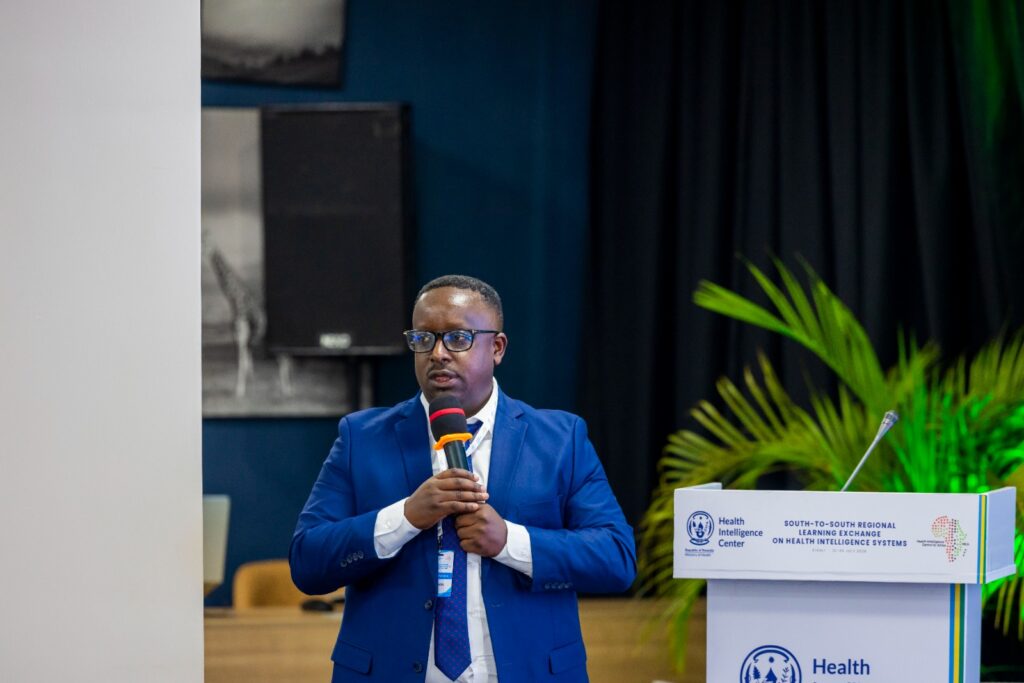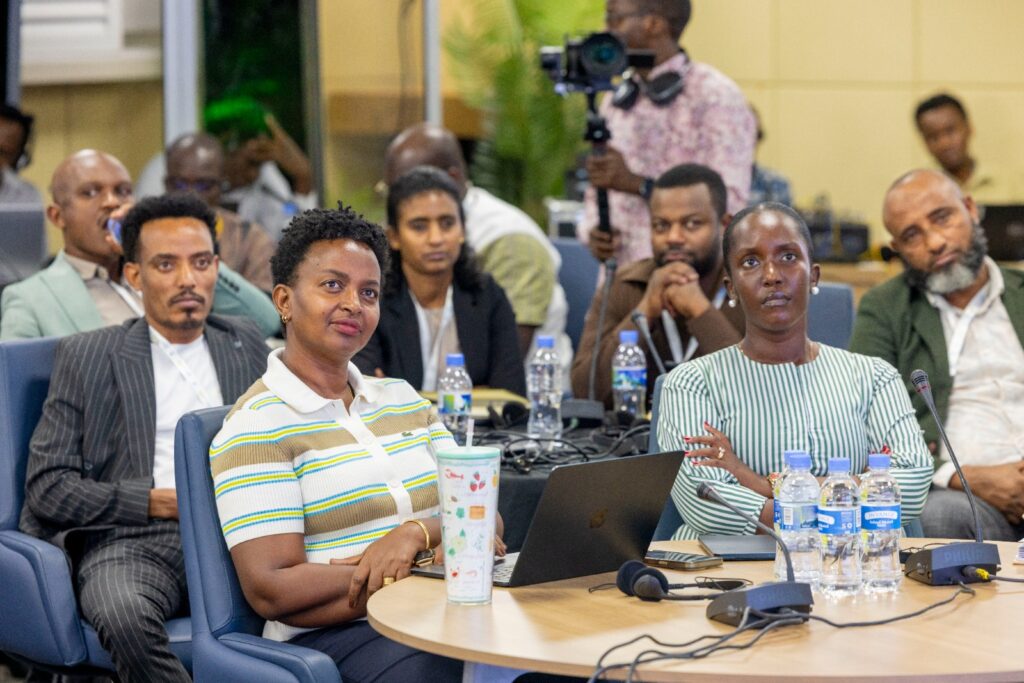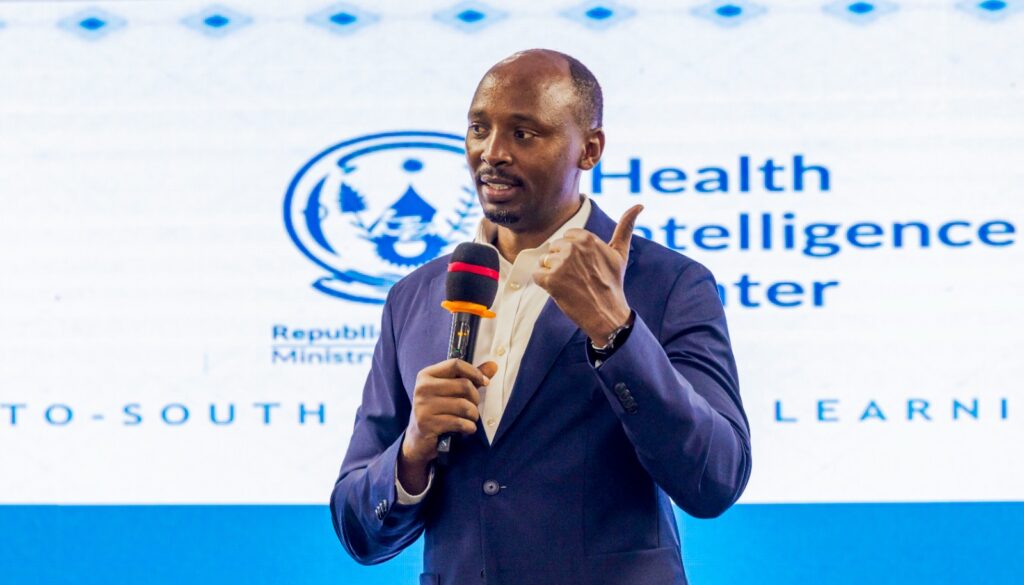
























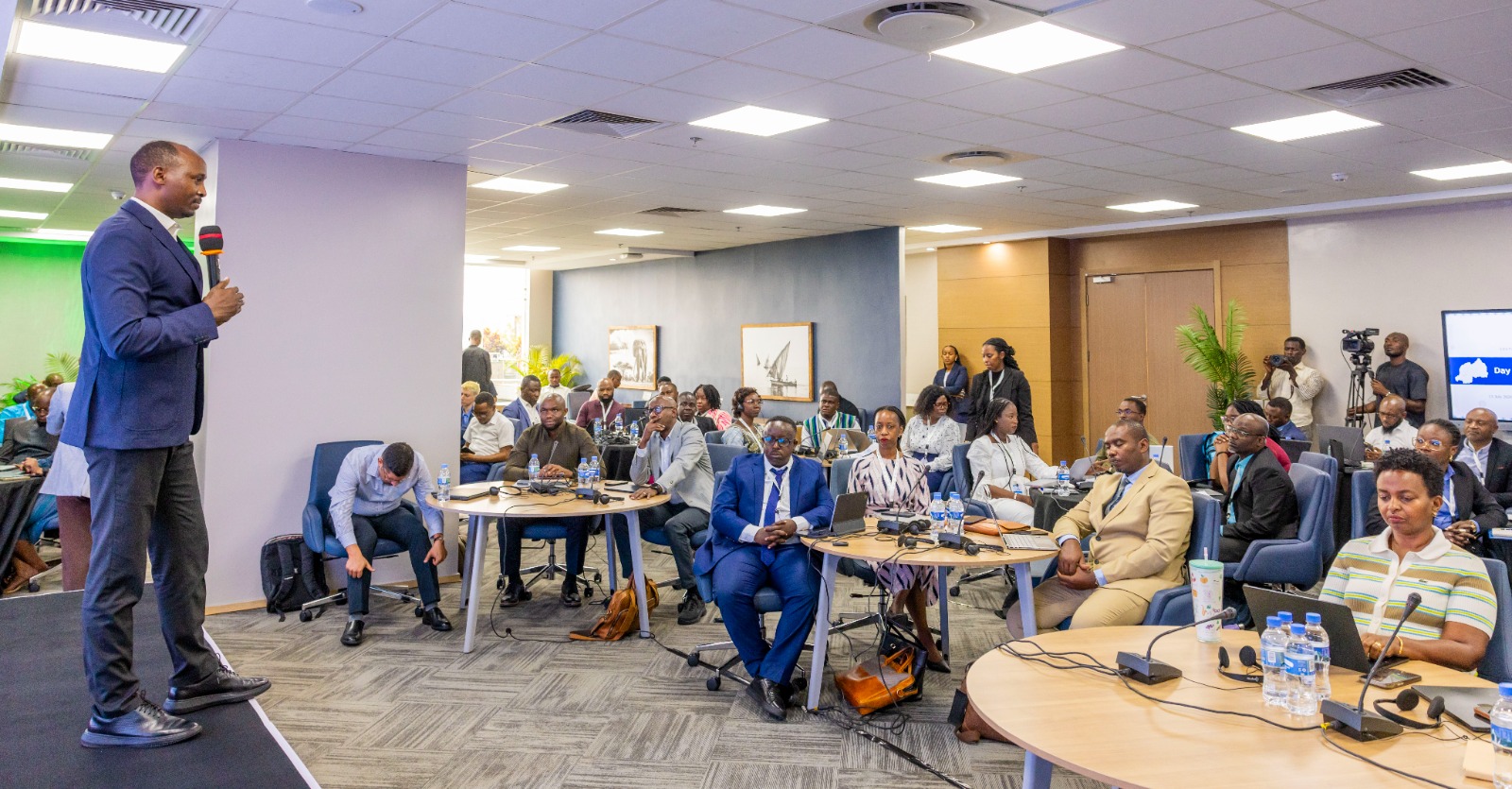
The Government of Rwanda through the Ministry of Health has officially welcomed thirty-five health data analysts from seven African countries. This key gathering aims to facilitate knowledge sharing and professional skill exchange across different regional borders. The comprehensive two-week training program focuses heavily on advancing National Health Intelligence Centre data integration across the continent.

Organizers set up this initiative in partnership with the Health Intelligence Center for Africa. The central goal of this international initiative is to increase national capacities for developing artificial intelligence in healthcare.
The workshop promotes evidence-based decision-making practices within various national health ministries. This collaborative framework was officially launched in Rwanda in April 2025 to harmonize real-time communication systems. Consequently, the national capital has temporarily transformed into a vibrant hub for continental health information policy and technical innovation.
The local intelligence center possesses the unique technical capacity to unify statistics from diverse local medical facilities. These sources include community health workers, small rural clinics, health centers, district hospitals, and national referral facilities.
The system performs real-time analysis to provide government leaders with clear evidence before they implement national policies. Furthermore, this software allows for the early detection of dangerous epidemics and generates instant warnings before a crisis escalates.
READ ALSO: From Rwanda Stock Exchange to RDF, Capt Michael Nsengiyumva’s Journey of Service and Patriotism
Director General Outlines Major Progress in National Data Management Systems
The digital infrastructure also supports strategic resource planning, financial budgeting, and medical equipment monitoring across the entire country. The organization utilizes cutting-edge predictive modeling to determine how specific diseases might spread in the future.
Dr. Eric Remera, the Director General of the center, explained that this unified platform has successfully resolved old data management challenges. He noted that previous efforts suffered because separate health systems could not communicate with each other effectively. This milestone highlights the long-term benefits of establishing a comprehensive National Health Intelligence Centre data integration system.
Dr. Eric Remera stated, “Information used to be underutilized because the systems did not work together, making it difficult to consolidate the data. However, having everything in one place now makes it easy to use, to the extent that much has been achieved over the past year. This includes conducting various analyses across different programs, such as maternal mortality.”
Today, local teams can track daily medical trends and lifestyle diseases without waiting for slow paperwork.
“Today we know our current progress using data that we receive on a day-to-day basis, whereas in the past we had to wait for annual reports. Now, from one day to the next, we can see how many people have died or contracted a specific disease. Another objective we have is to use technology and innovation to support medical treatment.” Dr. Eric Remera added,
READ ALSO: Rubavu: Fish Farming Attracts Rwf3 Billion Investment Over Nine Years
African Nations Invest in Artificial Intelligence and Virtual Services
The institution has already introduced artificial intelligence inside its expanding virtual hospital services to optimize patient care. This special software alerts doctors immediately when a patient faces high medical risks, allowing for early preventive treatment.
Visiting experts saw how local emergency services track ambulances using digital maps and unified communication tools. However, other larger African nations face serious infrastructure limitations when trying to implement similar data programs.
Masoud Mohamed, an official from the Ethiopian Ministry of Health, shared that his country has invested heavily in data quality over the last few years.
“Although we have been investing in improving data quality for some time, we still face challenges, including the fact that information remains scattered across different platforms, issues with data quality, and infrastructural hurdles due to the large size of our country. We have over 17,000 health posts, more than 3,000 health centers, and over 400 hospitals; connecting data from all these facilities requires adequate capacity and infrastructure.” Masoud Mohamed explained,
READ ALSO: Lt Col Simon Kabera Urges Rwandan Youth Abroad to Take Pride in Their Identity
Ministry of Health Details the Strategic Importance of Centralized Intelligence
Dr. Sabin Nsanzimana, Rwanda’s Minister of Health, emphasized that mastering medical statistics is like opening your eyes to disease movements.
Dr. Sabin Nsanzimana stated, “In health matters, when you do not know where a disease will come from, or when you do not know who is sick and what they are suffering from, it is as if your eyes are closed. That is why we give high value to health information; it is where you treat a patient, and it is where they will return for you to know what you treated them for previously. Furthermore, when you unify this data across the entire country, like in the NHIC where all information is collected, you can sit in that room and leave knowing the health situation of the whole nation.”
The centralized room now tracks high fevers, infant birth weights, and maternal complications across the whole nation instantly. Dr. Sabin Nsanzimana further explained, “Those with high fevers, the number of babies born and their birth weights, those who faced complications during childbirth, and places where an epidemic could emerge, we now see all of this in a single room. Previously, it required organizing meetings, making phone calls, and sometimes reaching every area was impossible, preventing us from getting reliable data. This is what the country put its efforts into; these are things that take many years of work, but it finally succeeded this past year.” This technical training session includes delegates from Burkina Faso, Ethiopia, Liberia, Senegal, Sierra Leone, Togo, and Zambia.
READ ALSO: Germany Commits 50,000 Attack Drones to Support Ukraine Against Russia