






















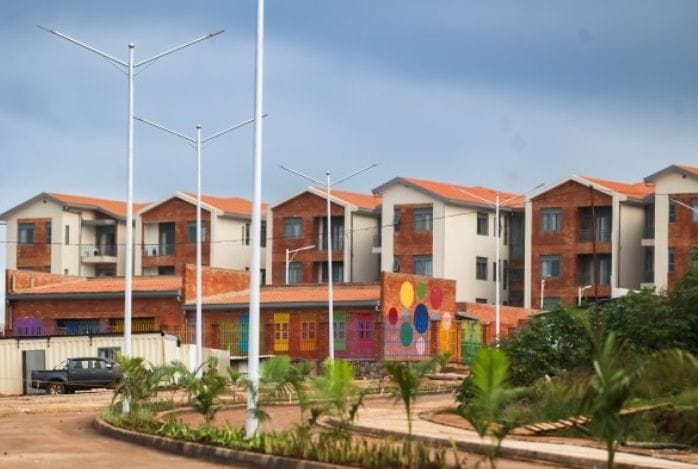
As the years pass, different parts of Kigali continue to transform through rapid urbanization, improved infrastructure, and expanding economic opportunities. One of the areas that best illustrates this transformation is Gahanga Sector in Kicukiro District. Before 2010, Gahanga was sparsely populated, with most residents being natives of the area. Over time, however, it has evolved into one of Kigali’s most attractive residential destinations, particularly for middle- and high-income earner

ALSO READ: https://agaciropress.com/nduhungirehe-impartial-mediation-rwanda-drc/
“Ku Butaka Butagatifu” Construction Boom
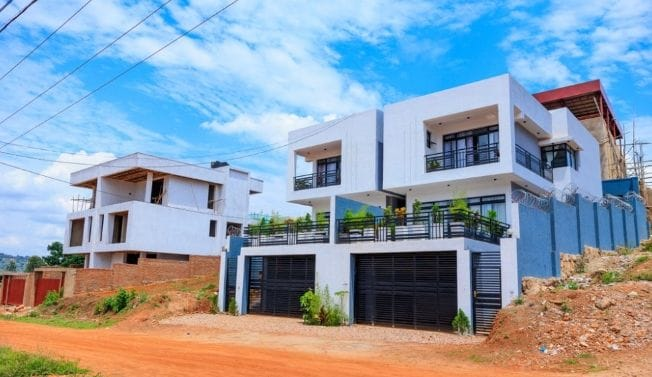
A section of Gahanga locally known as “Ku Butaka Butagatifu” (“The Holy Land”) is witnessing an unprecedented construction boom. Many people who have not visited the area for years would struggle to recognize it, as what was once largely bushland has been replaced by modern buildings and well-planned developments. This rapid growth has transformed several villages within the sector, led by Executive Secretary Jean Rwikangura, making them increasingly attractive to investors and homebuyers alike.
Administrative Structure of Gahanga
Gahanga is one of the ten sectors that make up Kicukiro District and comprises six cells: Rwabutenge, Murinja, Kagasa, Nunga, Gahanga, and Karembure.
Travelling from Nyanza Bus Park toward Gahanga, visitors are greeted by refreshing greenery, ongoing construction projects, and numerous prime plots awaiting development. The sector is experiencing fast-paced urban expansion, and anyone visiting today is likely to be surprised by the scale of change. Local residents say land has become highly sought after, unlike in previous years when demand was relatively low.
Land Value and Real Estate Growth
According to residents interviewed by IGIHE, plots of land currently sell for between RWF 35 million and RWF 120 million, depending on location. Joseph Mbarubukeye explained: “A 300-square-meter plot near the industrial zone in Nunga can cost between RWF 50 million and RWF 52 million.” This represents a dramatic increase compared to the early 2000s, when large parcels of land could be purchased for as little as RWF 30,000. Land values began rising steadily around 2010 and have since surged significantly. A plot currently worth RWF 50 million could have cost less than RWF 30 million just five years ago.
Urban Planning and Housing Development
The appreciation in land values has been accompanied by improved urban planning regulations. In many parts of the sector, developers are now constructing multi-storey buildings ranging from one to four floors, depending on zoning requirements. As development accelerates, lower-income residents are increasingly selling their land to wealthier buyers and relocating elsewhere.
ALSO READ: https://agaciropress.com/mobile-world-congress-kigali-postponed-organisers-to-announce-new-dates/
Rental Market Trends
Rental prices have also risen sharply. Houses that rented for around RWF 20,000 five years ago now cost between RWF 50,000 and RWF 70,000, while two-bedroom homes typically rent for RWF 100,000 to RWF 150,000 per month.
Residents Call for Improved Water Supply
Despite the visible development, residents say essential services must keep pace with growth, particularly access to water. Michel Munyamashara urged the Water and Sanitation Corporation (WASAC) to strengthen service delivery: “WASAC should improve water distribution in line with the area’s development. We want progress, but we also need water for daily life. Many people are building indoor sanitation facilities that cannot function without reliable water access.” He added that some neighborhoods can go for an entire week without water, and when it does arrive, it often comes late at night. he said: “Anyone without a storage tank faces serious challenges,”
Infrastructure and Market Development Needs
Residents also argue that infrastructure development should match Gahanga’s rapid urban expansion. Although Gahanga Market provides basic necessities, many believe it no longer reflects the ambitions and growth trajectory of the area and should be modernized.
Education, Health and Sports Infrastructure
The sector hosts several educational institutions, including Happy Kids School, which offers the Cambridge international curriculum. Residents also benefit from a modern health center and other public services. Many believe Gahanga will be transformed further once major sports infrastructure projects are completed, including the upgrading of sports facilities, the construction of an international football stadium, and the development of an international cricket ground.
Growing Industrial Hub
Gahanga Industrial Zone already hosts a variety of manufacturing companies, including Mastel Steel, Ineza African Mining Ltd, Aflink Label Packaging, Eprocomi Ltd, Milimani Enterprise, SilverBack Glass Processing Factory, Qilan Spring Mattress, Orchid (motorcycle manufacturing), AADesh Water Tank, Uzzuri K&Y (footwear and leather products), and Lin’s Food. The area also features a modern industrial park. Residents have called for the construction of improved road infrastructure connecting the industrial zone to surrounding neighborhoods. The Ministry of Sports has also expressed interest in a proposed International Football Stadium in Gahanga, which is expected to further stimulate local economic growth.
Affordable Housing Projects
In addition to private real-estate developments, Gahanga has attracted affordable housing initiatives such as Girinzu, a project launched by Rwandan entrepreneur Jacqueline Wibabara and French engineer Stéphane Monceaux. Following the successful completion and sale of all 90 homes in Village Umutuzo, the developers launched a second project called Aheza Urban Village. The new development will consist of 104 homes, with 52 already sold shortly after construction began. Housing prices in Aheza Urban Village range from USD 50,000 for entry-level units, USD 70,000 for mid-range homes, USD 102,000 for larger units, up to USD 180,000 for premium residences. Gahanga also previously attracted government attention as the site where housing had been prepared for migrants who were expected to be relocated from the United Kingdom under the now-abandoned Rwanda–UK migration arrangement.
ALSO READ: https://agaciropress.com/element-eleeeh-apple-music-up-next-africa/
Master Plan Vision: A Center for Commerce and Innovation
According to Kigali’s master plan, Gahanga is envisioned as a major commercial and innovation hub, designed to attract both domestic and foreign investment. Its development is expected to complement the future Bugesera International Airport, ensuring that travelers and businesses have access to high-quality services and infrastructure. The area is also planned as a cultural destination, hosting concerts, festivals, museums, and residential neighborhoods. At the heart of the vision is a vibrant town center that will combine commerce, entertainment, and environmentally sustainable development.
A dedicated 4.6-hectare technology and innovation district will be developed to host technology companies and collaborative spaces where entrepreneurs and innovators can exchange ideas and create new solutions. Buildings in the innovation zone will be surrounded by trees and constructed using environmentally friendly standards. Pedestrian pathways will connect the district to the Gahanga wetland area.
The commercial district will serve as the centerpiece of Gahanga, featuring office buildings, retail outlets, and a wide range of business services. Near Gahanga Square, plans include short-term parking facilities for public transport vehicles. The square itself will be surrounded by shops, restaurants, and commercial buildings, and will include an information center, cafés, an arts and cultural center, landscaped gardens, and recreational and entertainment spaces.