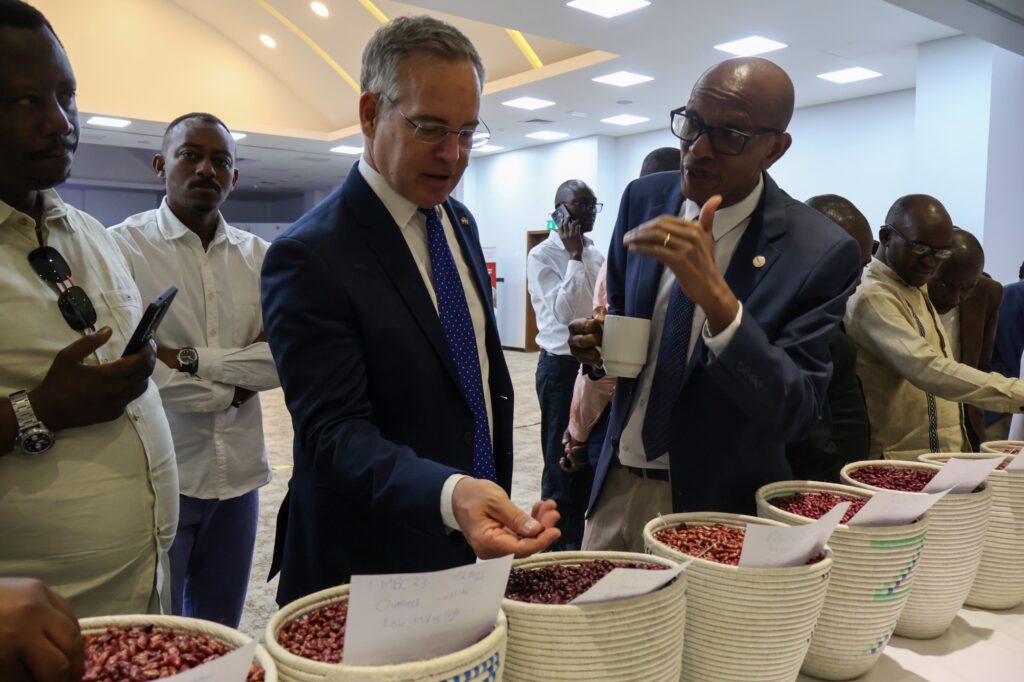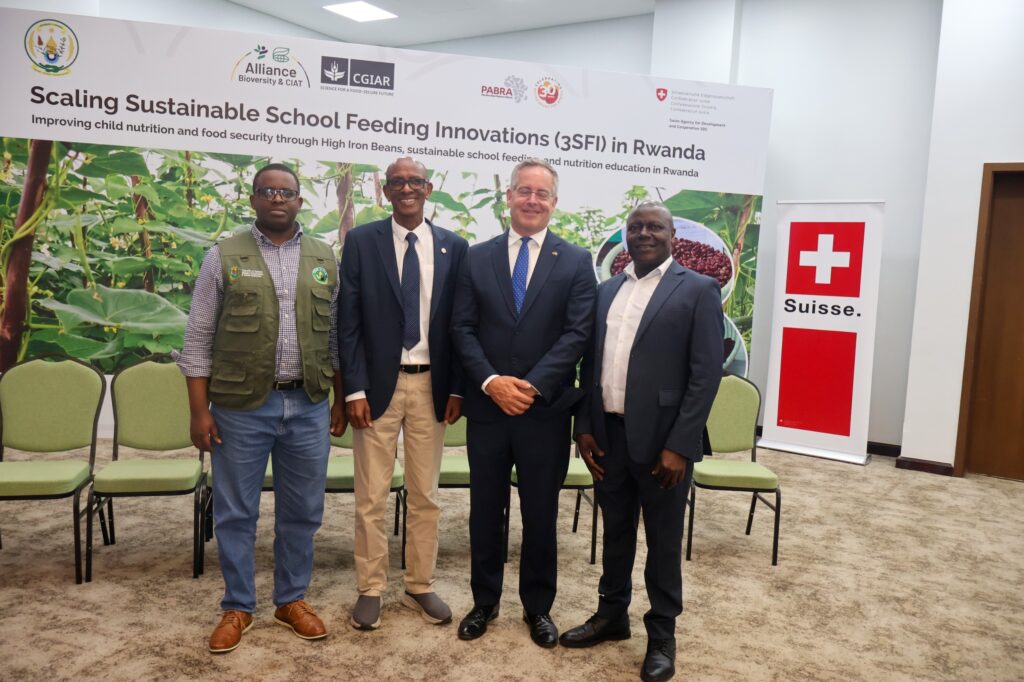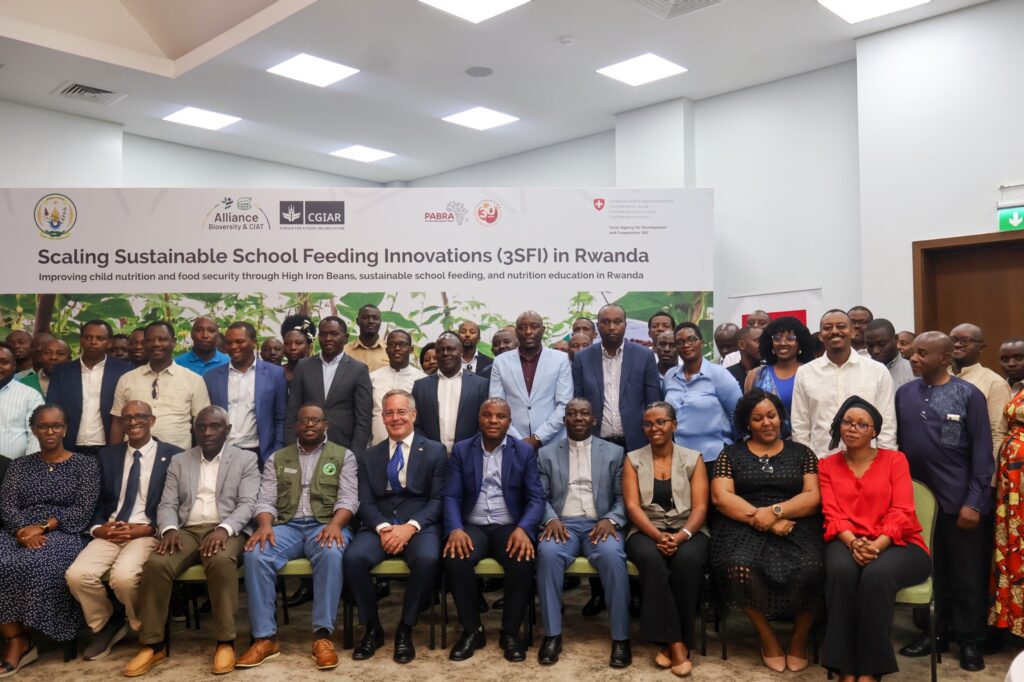
























A new agricultural initiative is set to significantly improve the school feeding program across the Western Province. The Scaling Sustainable School Feeding Innovations in Rwanda (3SFI) project introduces iron-rich biofortified beans and nutrient-dense vegetables to combat childhood malnutrition. This collaborative initiative is implemented by the Alliance of Bioversity International and CIAT through the Pan-Africa Bean Research Alliance (PABRA).

The organization coordinates the rollout in close partnership with the Government of Rwanda, seed companies and supported by the Embassy of Switzerland in rwanda through the Swiss Agency for Development and Cooperation SDC
READ ALSO: Rwanda Launches Innovative Project to Transform School Nutrition through High-Iron Beans
Bridging Lab Research and School Classrooms
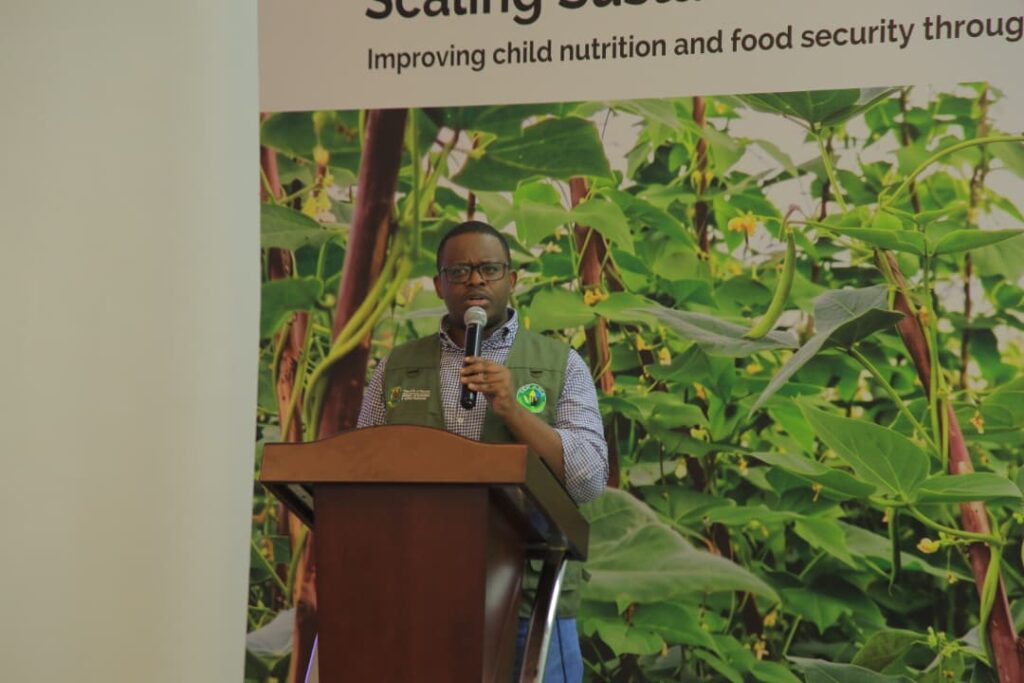
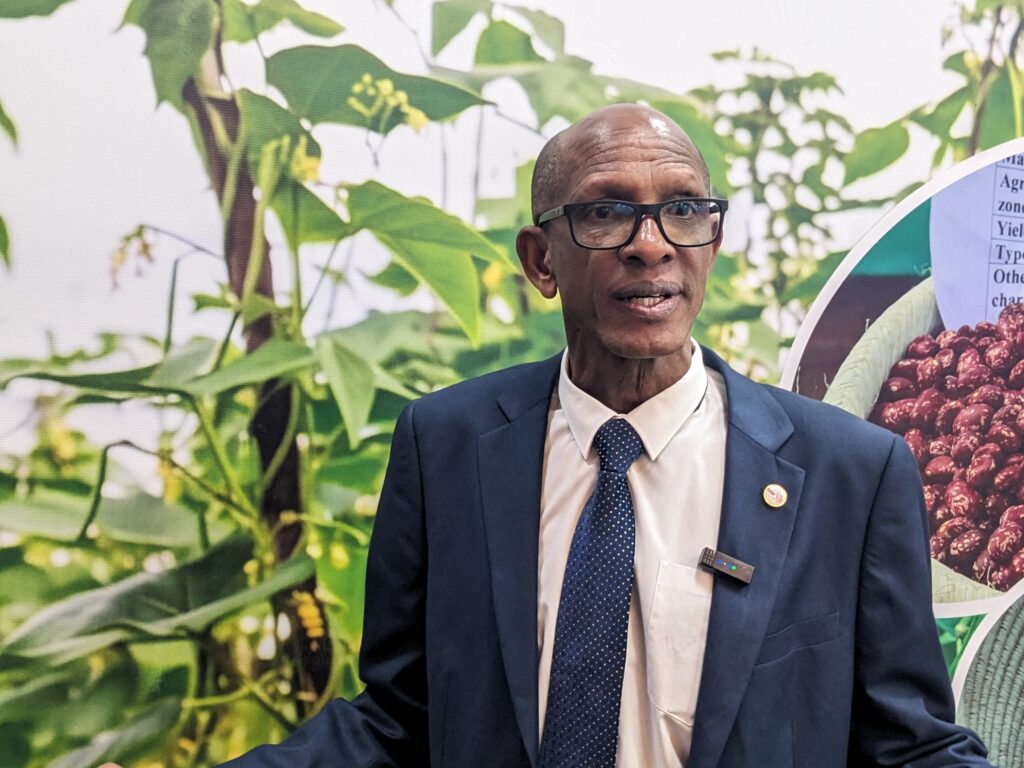
The initiative focuses on moving advanced agricultural research from laboratories directly into community kitchens. Dr. Jean Claude Rubyogo, Global Bean Program Leader at the Alliance of Bioversity International and CIAT, emphasized that true agricultural success depends on community adoption. He noted that developing high-yielding seed varieties only delivers real value when the technology successfully reaches local schools and smallholder farmers.
According to initial field observations, school communities have warmly welcomed the biofortified bean varieties. Both students and educators praise the crop for its superior taste and rapid cooking times. However, project organizers stress that the drive for nutritious school meals in Rwanda must extend beyond the classroom walls to achieve a lasting health impact.
“Children receive a significant portion of their daily nutrition at school, but the remainder of their dietary intake happens at home,” Dr. Rubyogo explained. “For this reason, the initiative must expand its reach to incorporate parents, smallholder farmers, and the wider community.”
READ ALSO:Noam Emeran Proud to Represent Rwanda After First Amavubi Call Up
Strengthening National Education and Human Capital
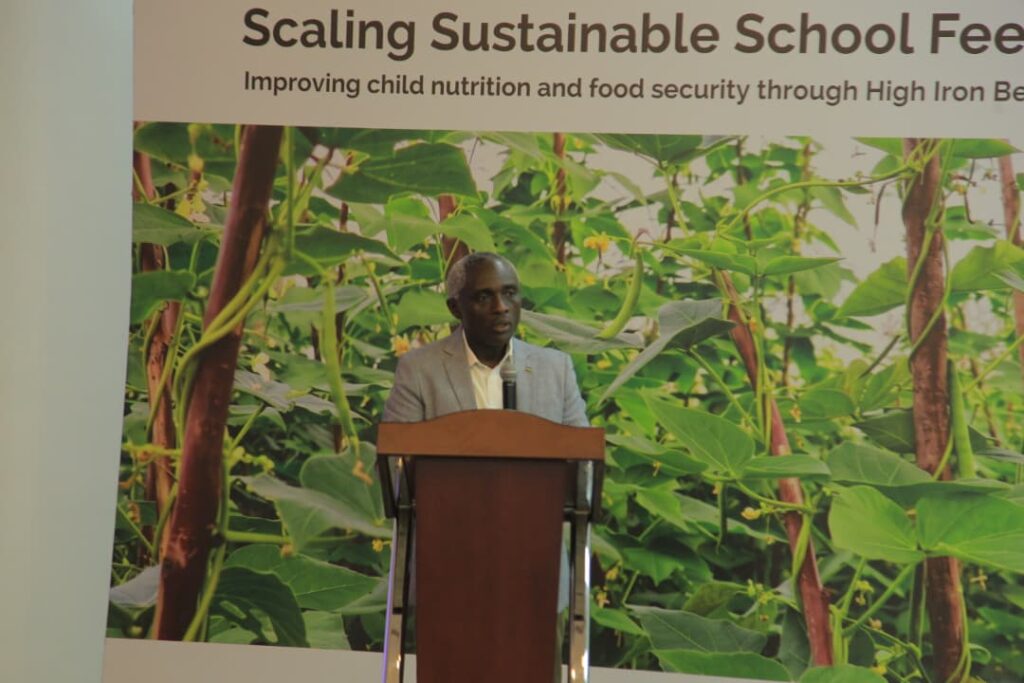
The school feeding program serves as a critical pillar for regional development and educational equity. Richard Kabana, Director General at the Ministry of Local Government (MINALOC), stated that robust nutrition plans directly reduce student dropout rates while boosting academic performance. He noted that building a capable, knowledgeable society requires healthy children who can focus on learning. Consequently, this initiative supports the human capital goals outlined in the Second National Strategy for Transformation (NST2).
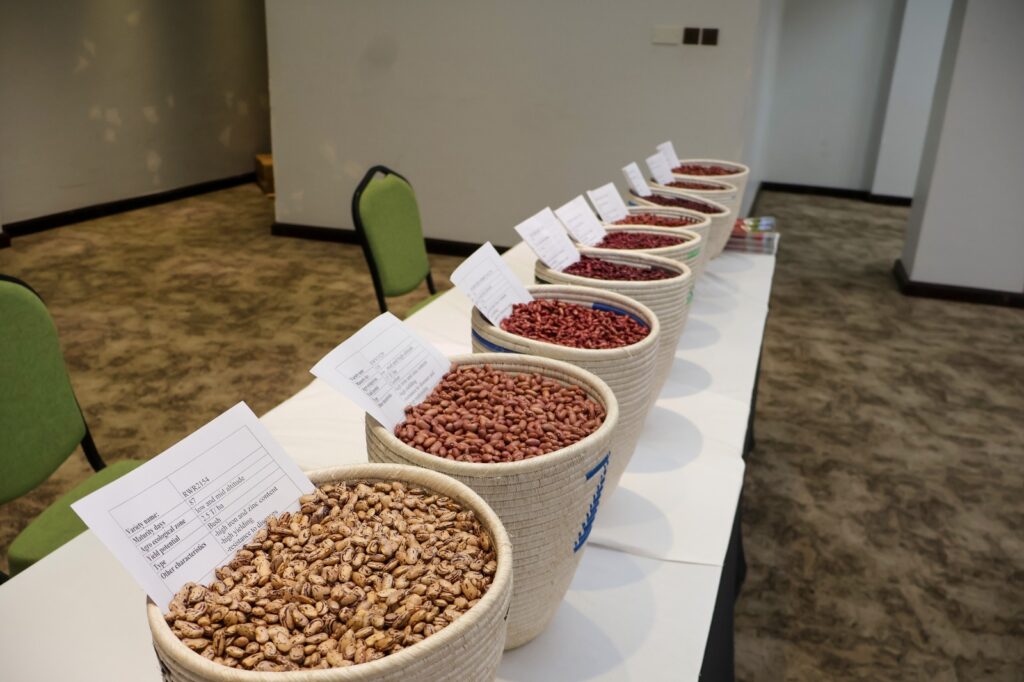
To guarantee that local communities fully embrace the biofortified crop, project stakeholders focus on three practical advantages:
- Rapid Cooking Time: The biofortified varieties require less time on the stove compared to conventional options.
- Excellent Taste Profile: High palatability ensures high consumption rates among young children.
- Energy Conservation: Faster preparation reduces the demand for firewood and charcoal, preserving local forest resources.
READ ALSO: Rwandan Muslims to Sacrifice 3,078 Animals for Eid Al‑Adha
Local Leadership and Comparative Research
Local administrative leaders report immediate, positive feedback from households and institutional kitchens. Phanuel Sindayiheba, the Mayor of Rusizi District, observed that children genuinely enjoy the meals, while parents appreciate the fuel savings.
To accelerate community adoption, local leadership recommends conducting comparative research studies. These studies will clearly measure and demonstrate the precise agronomic and financial advantages that farmers gain from growing biofortified seeds instead of ordinary bean varieties.
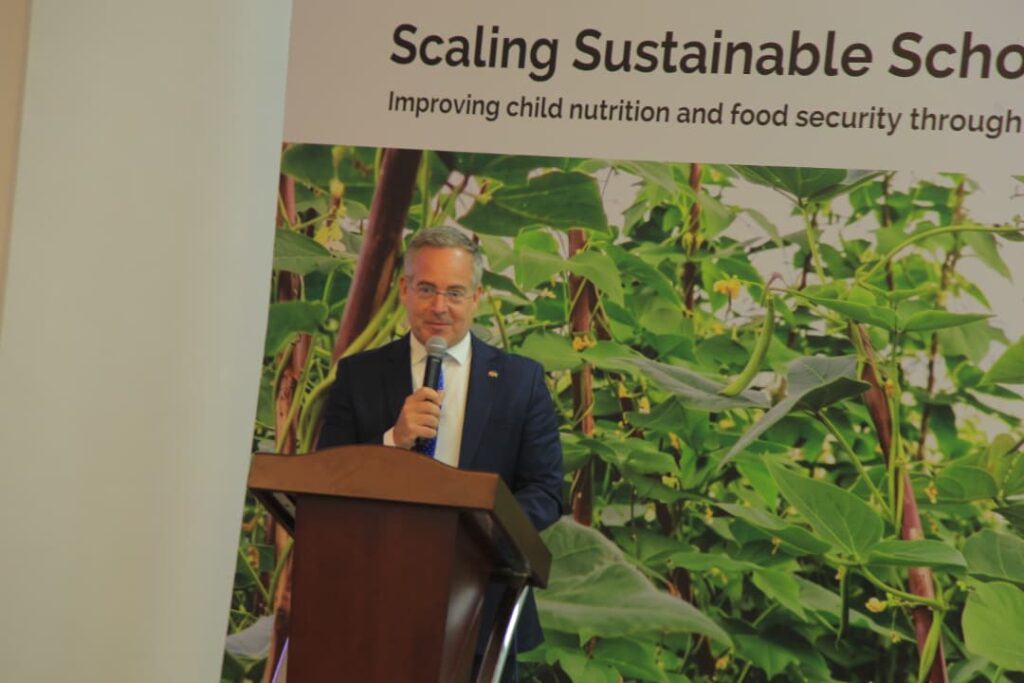
The project also signifies the long-standing bilateral cooperation between Rwanda and Switzerland regarding public welfare. Ueli Mauderli, representing the Embassy of Switzerland in Rwanda, clarified that the initiative extends far beyond basic student feeding. Instead, the intervention serves as a strategic framework to transform local food systems and establish nutrition-sensitive agriculture as a standard national practice.
READ ALSO: Rwanda Police Cadets Pass Out Ceremony Marks 25 Years of RNP
Harnessing National Food Habits for Health Gains
The strategy leverages established cultural dietary habits to maximize public health outcomes. Dr. Olivier Kamana, Permanent Secretary at the Ministry of Agriculture and Animal Resources (MINAGRI), highlighted that agriculture, nutrition, and education are deeply interconnected sectors.
“Rwanda maintains the highest per capita bean consumption rate globally,” Dr. Kamana stated. “An average citizen consumes approximately 30.8 kilograms of beans annually, making this crop the ideal vehicle for large-scale nutritional interventions.”
The 3SFI program operates effectively across 509 schools located throughout the Karongi, Nyamasheke, and Rusizi districts. The targeted agricultural campaign aims to produce 427 tons of specialized bean harvests, ultimately securing nutritious school meals in Rwanda for 445,115 students across the Western Province.
READ ALSO: MIFOTRA Clarifies Salary Increase Reports