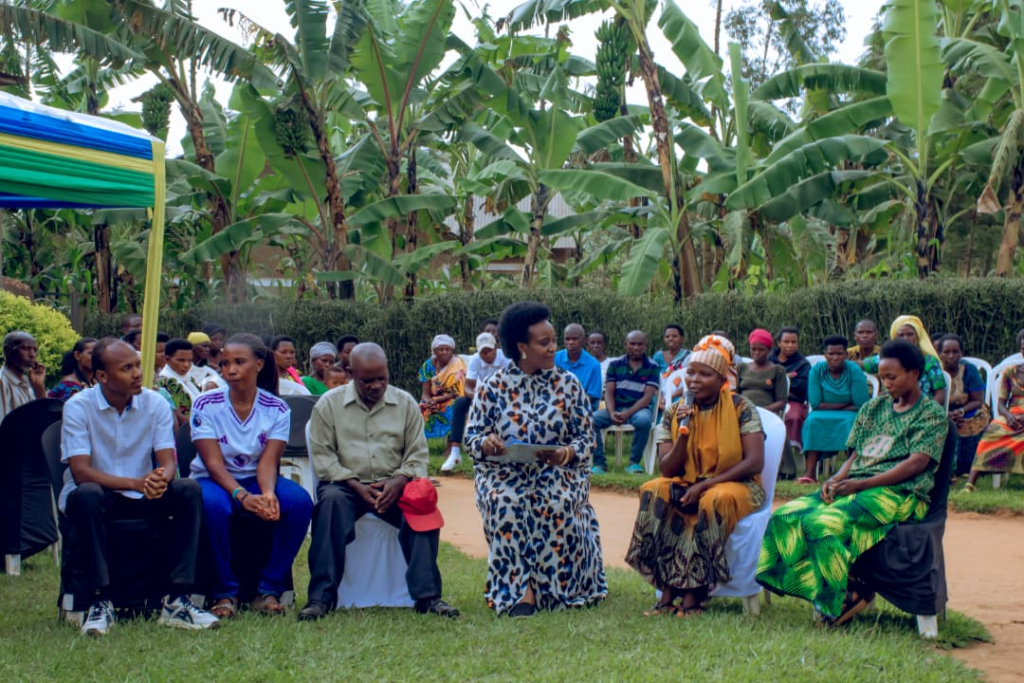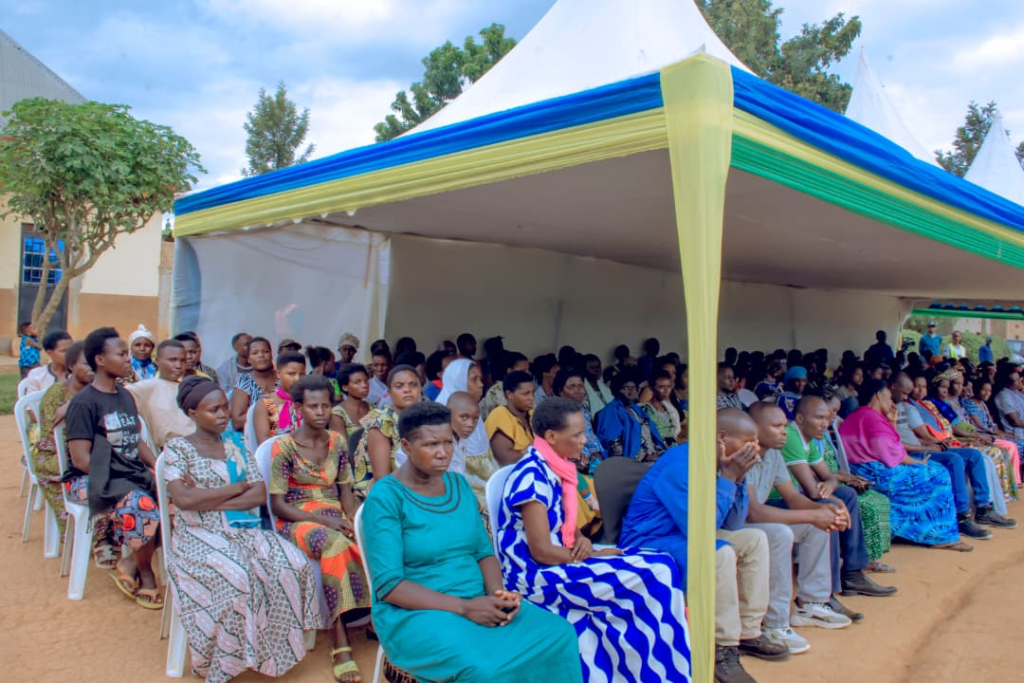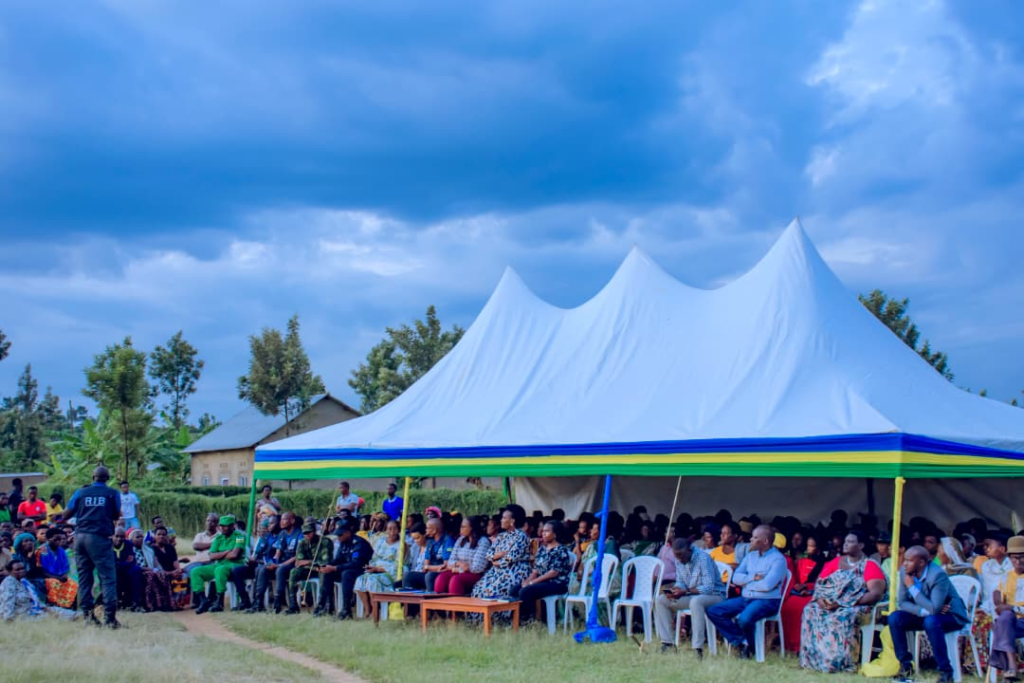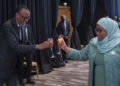

























Minister Consolee, the Minister of Gender and Family Promotion has called on parents to take an active role in educating teenagers about reproductive health and promoting family values based on love, communication, and cooperation. She made the remarks on May 28, 2026, during her visit to residents of Matimba Sector in Nyagatare District.

During the community meeting, discussions focused on strengthening family communication, educating children about reproductive health, preventing family conflicts, fighting alcoholism, reporting child sexual abuse and human trafficking, and encouraging planned parenthood.
The Minister emphasized that strong families are built through open dialogue and mutual understanding between parents and children.
Importance of Discussing Reproductive Health at Home
Speaking to residents, Minister Consolee stressed that parents should not feel ashamed to discuss reproductive health matters with their children. She explained that proper communication within families can help reduce cases of teenage pregnancies and misinformation among young people.
She said: “It is important for a woman to understand her menstrual cycle and for a husband to also understand the different stages his wife goes through so that families do not have unplanned pregnancies. Parents should also openly educate their children about reproductive health without shame. We ask you to avoid conflicts, alcoholism, and other bad behaviors. Work together as a family, maintain hygiene in your homes and bodies, and always hold family discussions before going to bed.”
She added that parents play a key role in shaping the future of their children through guidance and education.
Parents Admit Lack of Knowledge on Reproductive Health
Some parents who attended the meeting admitted that they themselves do not fully understand reproductive health and therefore struggle to discuss such topics with their children.
One parent, Mukandayisenga Jeanne, said that many parents grew up without receiving enough education on reproductive health and still feel embarrassed when discussing it with their children.
She said: “I am still learning many things about reproductive health myself. There are topics we were never taught properly while growing up. When a child asks questions, many parents feel shy or uncomfortable. We also need training so we can better guide our children,”
Another resident, Niyonzima Emmanuel, explained that children often seek information elsewhere when parents fail to guide them at home.
He noted: “Sometimes children ask questions and parents do not know how to answer because they were never taught either. We need continuous awareness and training because if parents are not informed, children may end up receiving misleading information from others.”
Call to Fight Family Conflicts and Child Abuse
The discussions also addressed the importance of preventing domestic violence, alcoholism, and child abuse within communities. Residents were encouraged to report individuals involved in child sexual abuse and human trafficking in order to protect children and strengthen community safety.
Minister Consolee urged families to build homes characterized by peace, cleanliness, respect, and cooperation. She encouraged couples to maintain regular communication and family meetings as a way of resolving misunderstandings before they escalate into conflicts.
Residents Appreciate the Awareness Campaign
Residents of Matimba Sector appreciated the visit and said the discussions helped them better understand their responsibilities as parents and guardians.
Many participants requested continued community awareness programs and training sessions, especially for parents, to help them gain confidence in discussing reproductive health and family issues with their children.
The visit ended with a strong message encouraging families to prioritize love, communication, responsible parenting, and mutual support as the foundation for healthy and stable communities.