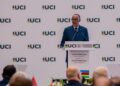
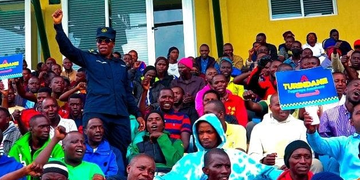














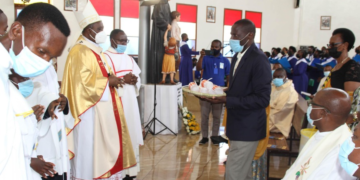








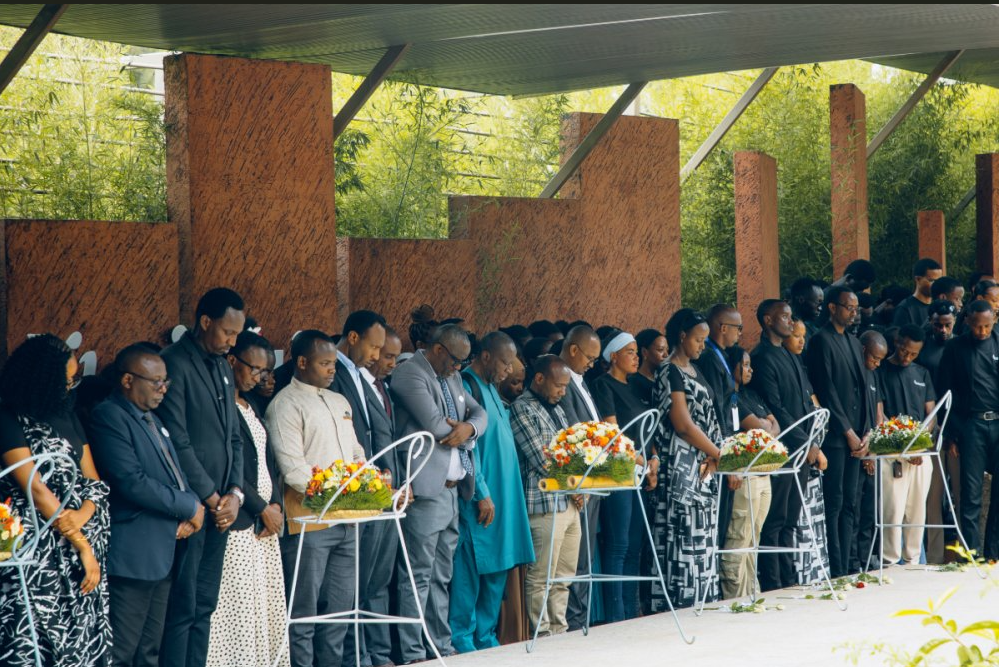
Leaders, staff, and students from Kigali Independent University (ULK) recently gathered to honor historical memory. Representatives from the ULK Polytechnic Institute (UPI) and Glory Academy also attended the solemn event. Together, they marked the 32nd commemoration of the 1994 Genocide against the Tutsi.

During the event, speakers challenged the youth to use social media platforms productively. They urged them to fight online genocide deniers and stop those who distort Rwandan history. The day began with a moving visit to the Kigali Genocide Memorial in Gisozi. There, the participants paid their respects to more than 259,000 victims resting at the site
READ ALSO: Former Rwandan Doctor, Dr. Eugène Rwamucyo Appeals 27-Year Conviction for 1994 Genocide
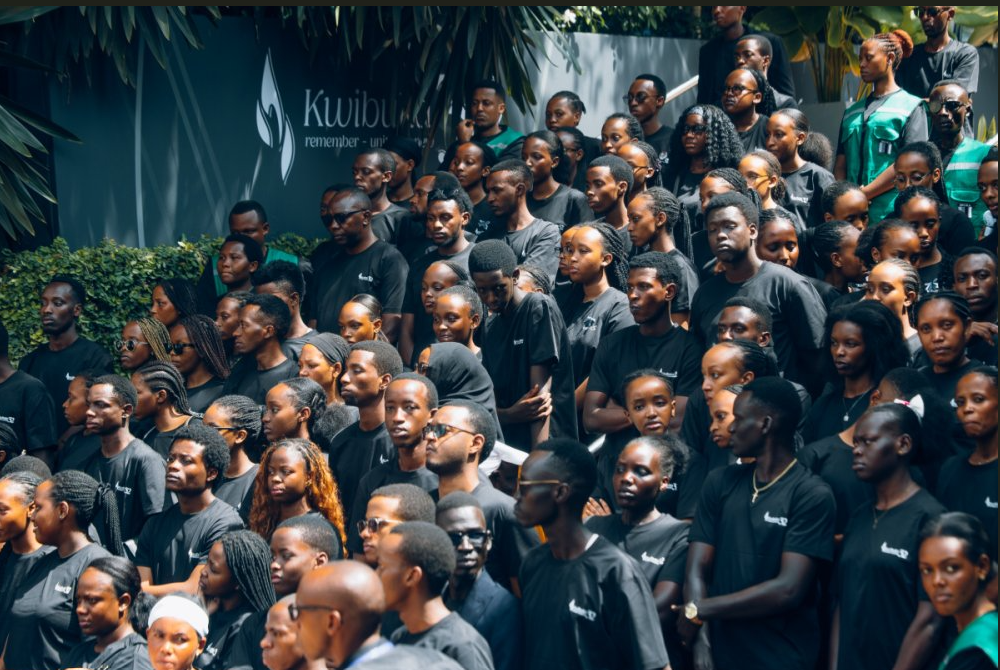
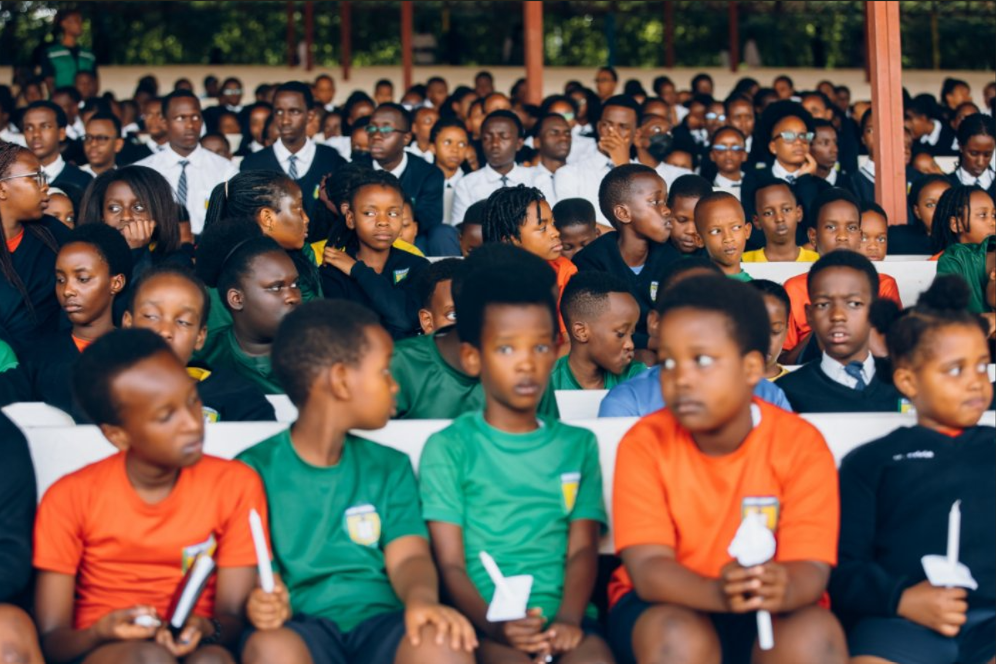
ULK Students gather at the Kigali Independent University genocide commemoration to honor victims.Understanding the History of Discriminatory Education
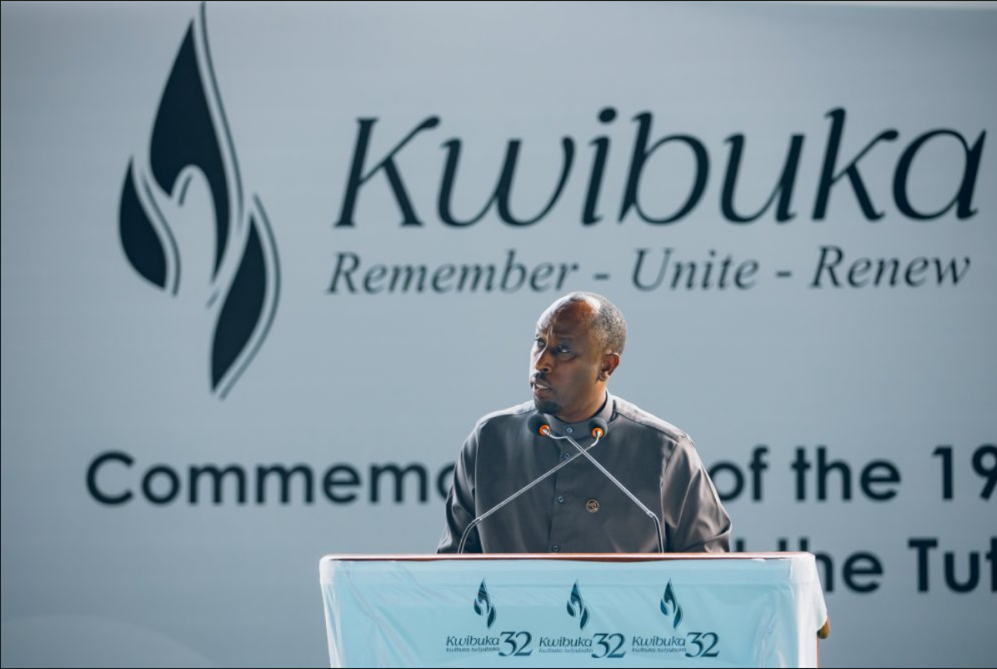
The event featured detailed historical discussions led by experts. The presentations covered the pre-colonial, colonial, and post-colonial eras of Rwanda. Speakers also analyzed the dark history of the 1994 tragedy and the country’s subsequent recovery. Dr. Emmanuel Hakizimana, a research analyst at the Ministry of National Unity and Civic Engagement, spoke to the crowd. He explained how the systematic persecution of the Tutsi began many years before 1994.
Dr. Hakizimana noted that the bias deeply affected the education system. He stated, “Many students at that time were expelled, while others were forced to leave school, both in secondary schools and in universities, and others were subjected to very severe violence.” He added that these targeted operations continuously escalated until they culminated in the full execution of the Genocide against the Tutsi.
READ ALSO: Rwanda Commemorates the 32nd Anniversary of the 1994 Genocide Against the Tutsi in Burkina Faso
Educating Youth to Protect the Future
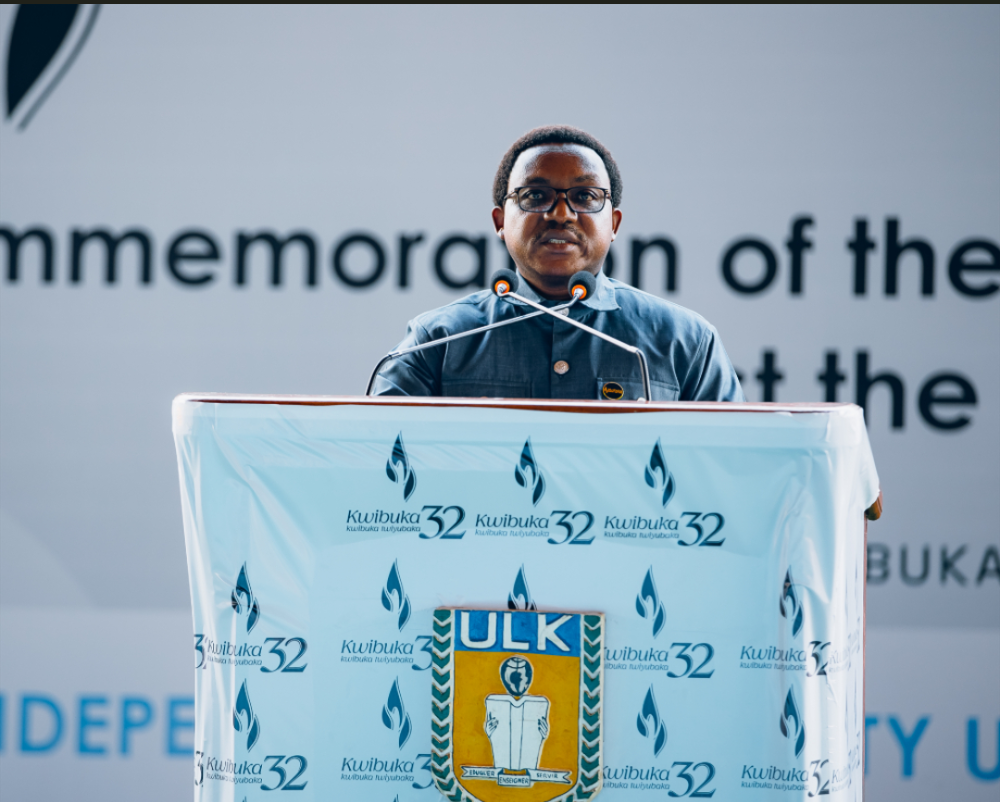
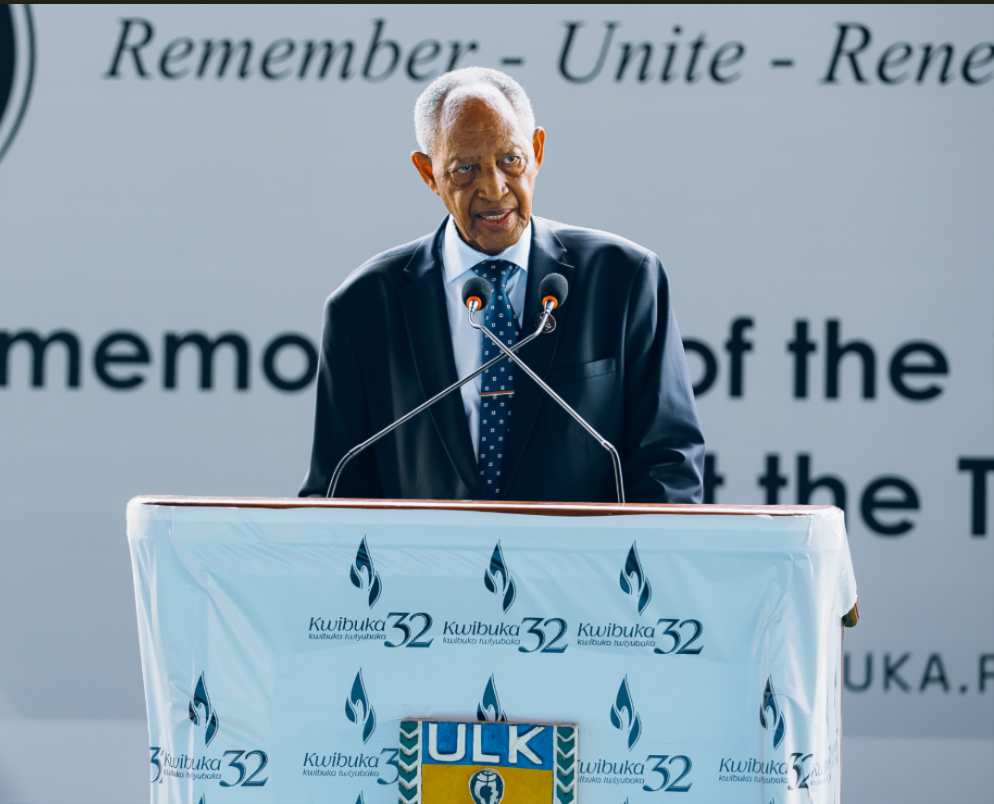
The leadership of the university emphasized the importance of holding this institutional event. Professor Dr. Belinda Rwigamba, the founder of ULK, explained why they organized the commemoration. He noted that the current student body consists mainly of young people who did not witness the tragedy.
Professor Rwigamba believes the school must explain these bitter historical realities to both Rwandan and international students. He noted, “This is an opportunity to explain to the Rwandan and foreign youth studying at our university the bitter history that our country went through, helping us to jointly take measures to fight any form of discrimination and genocide ideology.”
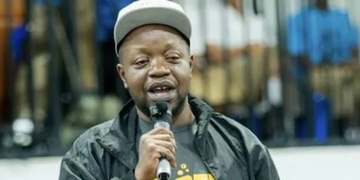
The participants also listened to a powerful survival testimony from Patrice Nzayisenga. He described his painful journey during the atrocities. He shared the details of how perpetrators killed his parents and siblings simply because of their identity.
READ ALSO: Rwanda Cabinet Approves AI Agency, 2026/27 Budget, and Key Appointments
Using Social Media to Defend the Truth
Local government representatives commended the schools for maintaining historical memory. Bernard Bayasese, the Executive Secretary of Gasabo District, thanked ULK for organizing the joint event. He stated that these commemorations help the youth understand the true history of the genocide. He urged the students to master historical facts so they can confidently challenge revisionists.
Mr. Bayasese advised the youth to use social media responsibly to fight denial. He stated, “You should use social media properly to fight against those who continue to deny and minimize the Genocide against the Tutsi. I ask you to know the history of our country so that you know how to refute those who distort it.” He told the audience that deep historical knowledge is the best weapon to dismantle false online narratives.
The students expressed a strong commitment to preserving these facts. Esther Isimbi, a student from Glory Academy, shared her thoughts after visiting the memorial. She said the visit gave her clear insights to fight historical distortions. She emphasized that young people have a duty to denounce deniers on social media.
She concluded, “We have a responsibility to denounce those who minimize the Genocide against the Tutsi using social media; whenever we see that there are people doing it, we should always denounce them so that they do not continue to mislead many people regarding the history of our country.”
READ ALSO: NGOMA: Growing Avocados Transforms Farmers’ Lives