
























Hip-Hop has reached five decades since its emergence in the Bronx, New York, in 1973. What began as a form of entertainment at neighborhood parties has grown into a global culture that has transformed music, fashion, dance, language, cinema and business.

Over the past 50 years, Hip-Hop has evolved from street parties in the Bronx into one of the world’s most influential cultural movements. Its history is closely connected to artists, DJs, landmark songs and albums that helped shape the genre and carry it across generations and borders.
ALSO READ: https://agaciropress.com/im-bank-rwandas-profit-rises-62-to-rwf18-8-billion/
The Birth of Hip-Hop
August 11, 1973, is considered one of the most important dates in Hip-Hop history. On that day, Jamaican-born DJ Kool Herc hosted the “Back to School Jam” at 1520 Sedgwick Avenue in the Bronx.
During the party, DJ Kool Herc noticed that dancers particularly enjoyed the drum-heavy sections of songs known as “breaks.” He began extending these sections by moving between two copies of the same record, allowing dancers to continue dancing for longer.
This technique became one of the foundations of Hip-Hop DJing and helped create a new musical culture among young people in the Bronx.
Hip-Hop soon developed beyond music and became a broader cultural movement built around four major elements: DJing, MCing or rapping, breakdancing and graffiti.
These elements gave young people new ways to express themselves, tell their stories and respond to the social conditions around them.
Hip-Hop Enters Recorded Music
By the late 1970s, Hip-Hop began moving from neighborhood parties into recorded music.
In 1979, The Sugarhill Gang released “Rapper’s Delight,” which became one of the first Hip-Hop songs to achieve major international success. It reached the U.S. Top 40 and helped introduce rap music to a much wider audience.
Fatback Band’s “King Tim III (Personality Jock)” was released earlier and is also regarded as one of the earliest commercially released rap records. However, “Rapper’s Delight” played a particularly important role in bringing Hip-Hop into the mainstream.
Hip-Hop Develops Its Own Identity
During the early 1980s, Hip-Hop continued developing its own sound and style. DJs and producers experimented with scratching, sampling and new forms of beat production, while rappers developed increasingly complex lyrical styles.
Grandmaster Flash and the Furious Five’s “The Message” demonstrated that rap could address serious social issues, including poverty and difficult living conditions.
Meanwhile, Afrika Bambaataa’s “Planet Rock” combined Hip-Hop with electronic music and helped expand the genre’s musical possibilities.
Run-DMC and the Rise of Mainstream Hip-Hop
The mid-1980s brought another major transformation.
Run-DMC helped take Hip-Hop from neighborhood culture to television, radio and international audiences. Their 1984 album Run-D.M.C. became the first rap album to achieve Gold certification, while Raising Hell, released in 1986, became the first Hip-Hop album to achieve Platinum status.
Their collaboration with rock band Aerosmith on “Walk This Way” brought rap and rock audiences together and demonstrated that Hip-Hop could cross musical boundaries.
ALSO READ: https://agaciropress.com/rwanda-receives-more-than-400-returnees-from-the-drc/
The Golden Era of Hip-Hop
The period from the mid-1980s into the early 1990s is often described as Hip-Hop’s Golden Era.
Artists such as Rakim, Public Enemy, N.W.A, LL Cool J, Queen Latifah and Salt-N-Pepa helped expand the genre’s sound and subject matter.
Landmark albums including Paid in Full, It Takes a Nation of Millions to Hold Us Back and Straight Outta Compton became influential works that shaped the development of rap.
Public Enemy’s “Fight the Power” became particularly associated with resistance and social commentary, demonstrating how Hip-Hop could be used as a powerful voice on political and social issues.
Hip-Hop Becomes a Global Phenomenon
During the 1990s, Hip-Hop expanded far beyond New York and became one of the dominant forms of popular music in the United States and around the world.
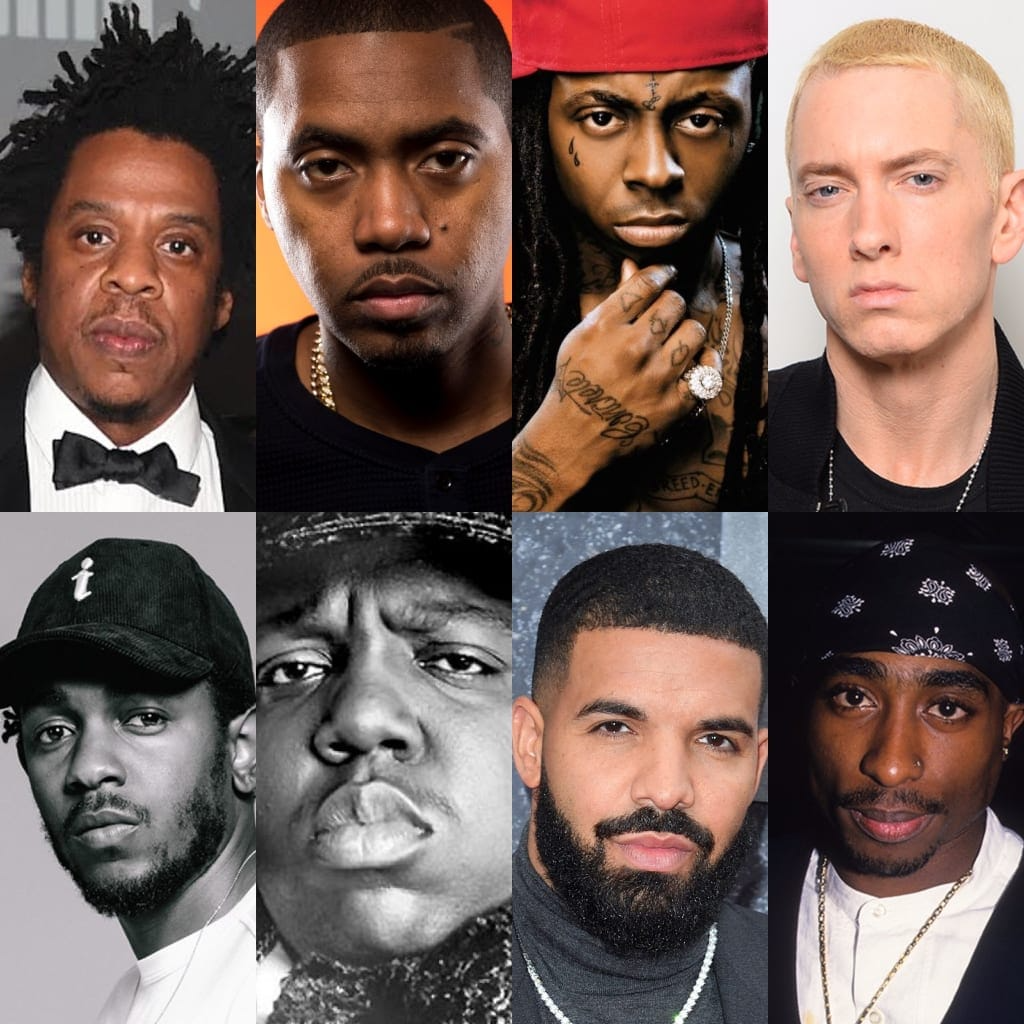
Artists including Tupac Shakur, The Notorious B.I.G., Nas, Jay-Z, Wu-Tang Clan, Snoop Dogg, Dr. Dre and OutKast became major figures in the genre.
The East Coast–West Coast rivalry became one of the most widely discussed periods in Hip-Hop history, particularly the rivalry associated with Tupac Shakur and The Notorious B.I.G. Both artists were killed during the decade, in 1996 and 1997 respectively.
Despite these tragedies, Hip-Hop continued to grow and influence new generations of artists.
Hip-Hop After 2000
After 2000, Hip-Hop became even more diverse. New styles and movements emerged, including Trap, Alternative Hip-Hop and different forms of Conscious Rap.
The genre also became increasingly international. Artists in Africa, Europe, Asia and Latin America began adapting Hip-Hop to their own languages, cultures and social experiences.
Rather than simply copying American Hip-Hop, musicians around the world incorporated local languages, instruments, traditions and experiences into the genre.
The Growth of Hip-Hop in Rwanda
In Rwanda, Hip-Hop began gaining significant attention in the early 2000s.
Pioneers such as Riderman, Jay Polly and Bull Dogg helped establish rap music as an important part of Rwanda’s urban music scene. They used Kinyarwanda lyrics to discuss everyday experiences, youth culture and life in Kigali.
Their work helped create a foundation for the development of a distinct Rwandan Hip-Hop identity.
ALSO READ: https://agaciropress.com/ingufu-gin-owner-prosecuted-for-30-days-pre-trial-detention/
The Emergence of Kinyatrap
By the mid-2010s, a new generation of Rwandan musicians began developing Kinyatrap, a style that combines Trap music with Kinyarwanda lyrics, local cultural references and contemporary Rwandan experiences.
Artists such as Bushali and B-Threy, together with producer Dr. Nganji, are widely associated with the development of the movement, while the Green Ferry Music collective played an important role in shaping its identity.
Kinyatrap demonstrated how international musical trends could be transformed into something rooted in Rwanda’s own language and culture.
Other Artists Expand the Rwandan Sound
Other Rwandan artists and groups also contributed to the growth of Hip-Hop by combining rap with genres such as Afrobeat and R&B.
Groups such as Urban Boyz and Dream Boys helped introduce rap-influenced sounds to wider audiences, demonstrating that Hip-Hop could interact with other popular musical styles.
This blending of genres helped Rwandan urban music reach listeners beyond the traditional Hip-Hop audience.
Hip-Hop as a Cultural Voice
Rwandan Hip-Hop has continued to evolve beyond simply imitating international trends.
Artists have increasingly incorporated traditional Rwandan sounds and instruments, including the inanga and ngoma drums, into modern Trap, Drill and other contemporary styles.
As a result, Hip-Hop has become both a form of entertainment and a cultural voice through which young Rwandans can express their experiences, identity and ambitions.
Five Decades of Transformation
From DJ Kool Herc’s party in the Bronx in 1973 to Kinyatrap and modern Rwandan Hip-Hop, the genre has undergone an extraordinary transformation.
It has moved from breakbeats and street parties to global stages, digital platforms and international entertainment industries. Along the way, it has influenced fashion, language, dance, film, business and popular culture.
The story of Hip-Hop is therefore not only the story of a musical genre. It is the story of how a culture created by young people in the Bronx became a global movement and how communities such as Rwanda have adapted it to their own languages, traditions and experiences.