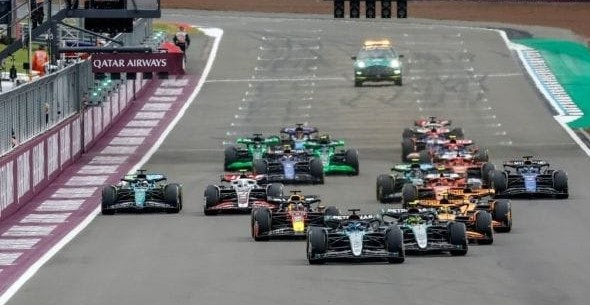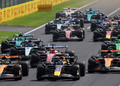

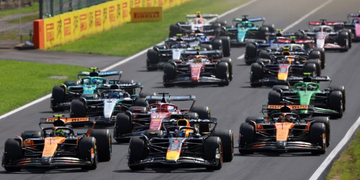





















Rwanda has secured a 10-year agreement to host the Formula 1 African Grand Prix, with a purpose-built racing circuit planned for Bugesera District. The project is expected to bring Formula 1 back to Africa in the early 2030s, following the announcement made on October 13, 2026.

The agreement marks a major development for African motorsport. The continent last hosted a Formula 1 World Championship race in 1993, when the South African Grand Prix took place at Kyalami. Rwanda will become the latest African country to host a Formula 1 race, following Morocco, which hosted a race in 1958, and South Africa, which hosted the championship for several years.
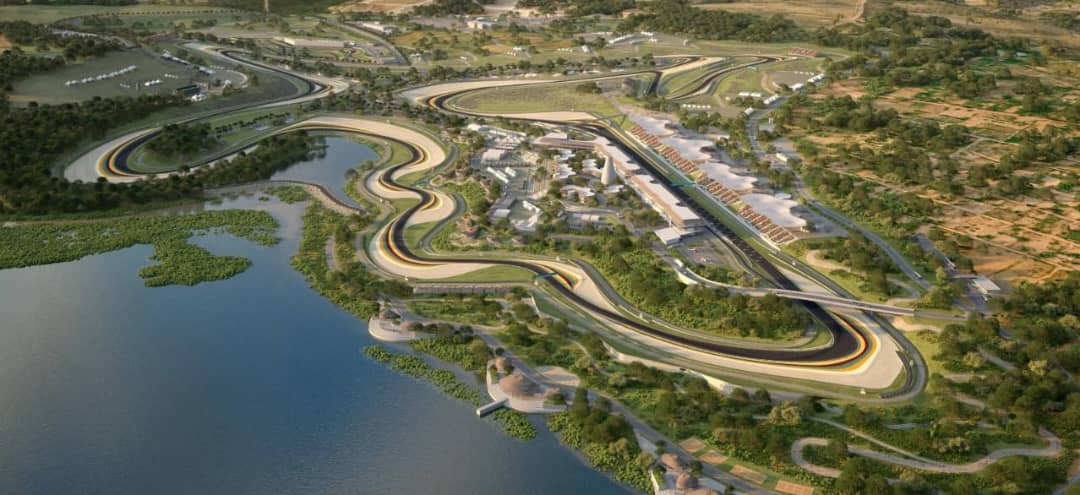
Although Rwanda’s hosting agreement has been confirmed, the Bugesera circuit has not yet been built. Detailed design work is still underway, and organisers have not announced the exact date of the first race. However, preliminary plans outline the proposed location, track layout, safety requirements, spectator capacity and facilities that could make the circuit a destination for motorsport and other events.
Where Will the Bugesera F1 Circuit Be Built?
The Formula 1 circuit is planned for Bugesera District, approximately 40 kilometres from Kigali and near the new Kigali International Airport, which is under construction in the district. The airport is expected to begin operations in early 2028, potentially improving access for international visitors attending Formula 1 races and other events at the circuit.
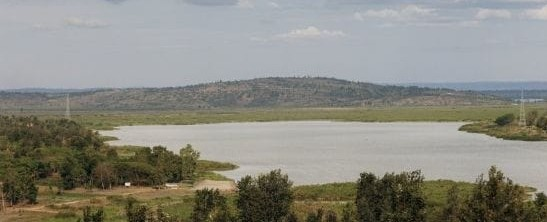
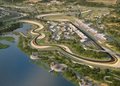
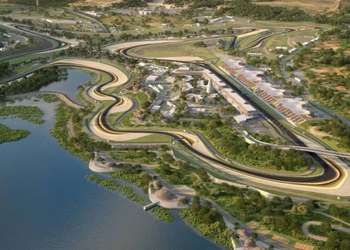
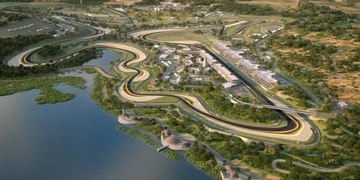
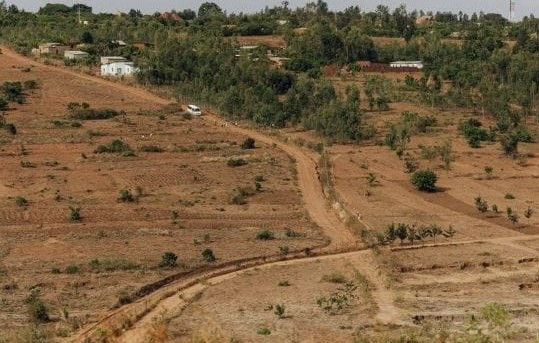
The designers have placed particular emphasis on the area’s natural landscape, including its hills and nearby Lake Kidogo. Their plans aim to incorporate the terrain into a circuit featuring uphill and downhill sections, with views of the lake and surrounding scenery.
Alex Wurz, a former Formula 1 driver involved in designing the circuit, explained that the team considered several alternative locations before settling on Bugesera. These included the possibility of developing a circuit that incorporated existing public roads.
However, the natural terrain in Bugesera offered an opportunity to create a distinctive racing circuit while limiting major changes to the landscape. Wurz said the two hills and Lake Kidogo between them helped convince the designers that the location was suitable for the project. The circuit is being designed by Germany-based Tilke Engineers and Architects, represented by Carsten Tilke, in collaboration with WurzDesign, founded by Alex Wurz. Tilke has designed motorsport circuits around the world, including the Sepang International Circuit in Malaysia.
ALSO READ: https://agaciropress.com/tiwa-savage-reveals-how-a-crush-led-her-into-music-instead-of-acting/
The Circuit Will Be 6 Kilometres Long and Have 17 Corners
Preliminary designs indicate that the Bugesera circuit will measure approximately six kilometres and feature 17 corners.
The layout is expected to combine long straights, where cars can reach high speeds, with technical sections that require drivers to brake precisely and navigate corners carefully. One planned straight will extend for more than one kilometre. At its end, drivers will face a corner requiring substantial braking before they can turn.
According to the designers, this section could create overtaking opportunities by allowing cars to approach the corner at high speeds before slowing down. Carsten Tilke explained that the objective is to create a circuit that tests drivers’ abilities while making the racing more exciting for spectators.
Hills Will Give the Circuit a Distinctive Layout
One of the proposed circuit’s defining features is its natural elevation. Preliminary plans indicate elevation changes of up to 197 metres around the circuit.
Rather than racing on a predominantly flat surface, drivers will navigate a combination of climbs, descents and corners with changing elevations. These features could make controlling speed, braking and steering more demanding, particularly when drivers approach corners while travelling uphill or downhill.
The circuit is also planned to run in an anti-clockwise direction. Wurz noted that the combination of climbs and descents would distinguish the layout from circuits with more uniform terrain. However, the final characteristics will depend on the completed design.
ALSO READ: https://agaciropress.com/red-iyizire-daughter-of-senderi-hit-enters-rwandas-music-industry/
What Standards Must the Circuit Meet?
Building a Formula 1 circuit requires more than preparing a paved track for high-speed racing. Safety must be considered for drivers, race officials, track personnel and spectators.
The Bugesera circuit is planned to meet FIA Grade 1 standards, the highest circuit homologation category required to host Formula 1 races. These standards cover track geometry, corner design, braking zones, run-off areas, barriers and other safety measures. Circuits must also provide appropriate emergency response facilities, race-control infrastructure and other facilities required for international motorsport competitions.
The Fédération Internationale de l’Automobile (FIA) oversees circuit homologation. A new venue must undergo the relevant technical reviews and inspections to demonstrate that it meets the requirements for the competitions it intends to host.
Consequently, although preliminary specifications for the Bugesera circuit have been announced, the final design and technical details remain subject to further development and approval.
ALSO READ: https://agaciropress.com/let-us-explore-budapest-the-capital-of-hungary/
Pit Lane and Facilities for Racing Teams
The planned circuit will require a pit lane where cars can leave the main track for servicing, including tyre changes and other permitted work.
In Formula 1, this process is known as a pit stop. During a stop, team personnel can replace a car’s tyres in a matter of seconds before the driver returns to the track. The pit lane must be designed to support these operations safely and efficiently, separate from the main racing surface.
The facility is also expected to include buildings and working spaces for racing teams, drivers and technical personnel, alongside areas for preparing and storing equipment. Carsten Tilke said the buildings would be designed to complement the natural terrain while incorporating architectural features inspired by Rwandan culture and building traditions.
ALSO READ: https://agaciropress.com/rwanda-pledges-support-to-goico-market-traders-after-fire/
The Circuit Could Accommodate Up to 100,000 Spectators
The circuit’s design also considers how fans will experience the races. The hills surrounding the proposed venue could provide natural viewing areas, allowing spectators to watch cars from elevated positions and see different sections of the track.
Jean-Guy Afrika, Chief Executive Officer of the Rwanda Development Board (RDB), announced that the facility would have the capacity to accommodate up to 100,000 spectators. Beyond viewing areas, the project is expected to include facilities for visitors, drivers, team personnel and people attending other events hosted at the venue. The final spectator arrangements and supporting infrastructure will depend on the completed development plans.
The Circuit Will Host More Than Formula 1 Races
Although the Bugesera circuit is being developed to host one of the world’s biggest motorsport competitions, its intended use extends beyond the Formula 1 race weekend. The project is envisioned as a destination for sports, tourism, business and entertainment activities throughout the year.
According to plans announced by the RDB, the venue could host concerts, exhibitions, conferences and other motorsport competitions. The wider complex is also expected to feature a dedicated karting track. Karting uses small racing vehicles and is widely used to introduce young people to competitive driving. Other proposed facilities include driver training areas and off-road driving tracks for vehicles designed to operate away from conventional roads.
These facilities could create opportunities for young Rwandans interested in becoming professional racing drivers or pursuing careers in mechanics, engineering and other motorsport-related fields. Jean-Guy Afrika explained that the objective is to ensure the facility delivers benefits beyond hosting a Formula 1 race each year.
The project is also intended to attract investment, create jobs and support tourism. The extent of these benefits will depend on the project’s implementation and the venue’s ability to attract visitors and events throughout the year.
ALSO READ: https://agaciropress.com/rwanda-and-mali-security-cooperation-bamako-talks/
When Will the First Formula 1 Race Take Place in Rwanda?
Rwanda’s 10-year hosting agreement with Formula 1 has been announced, but the exact date of the first race remains unknown. The Formula 1 African Grand Prix is expected to begin in the early 2030s, after the Bugesera circuit has been completed and approved to host Formula 1 races.
Until then, detailed design work, construction, safety preparations and the development of supporting facilities remain important steps towards bringing the competition to Rwanda. If completed as planned, the circuit could become a major venue for international motorsport while supporting Rwanda’s ambitions in tourism, investment and sports development.