






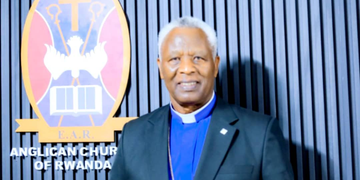







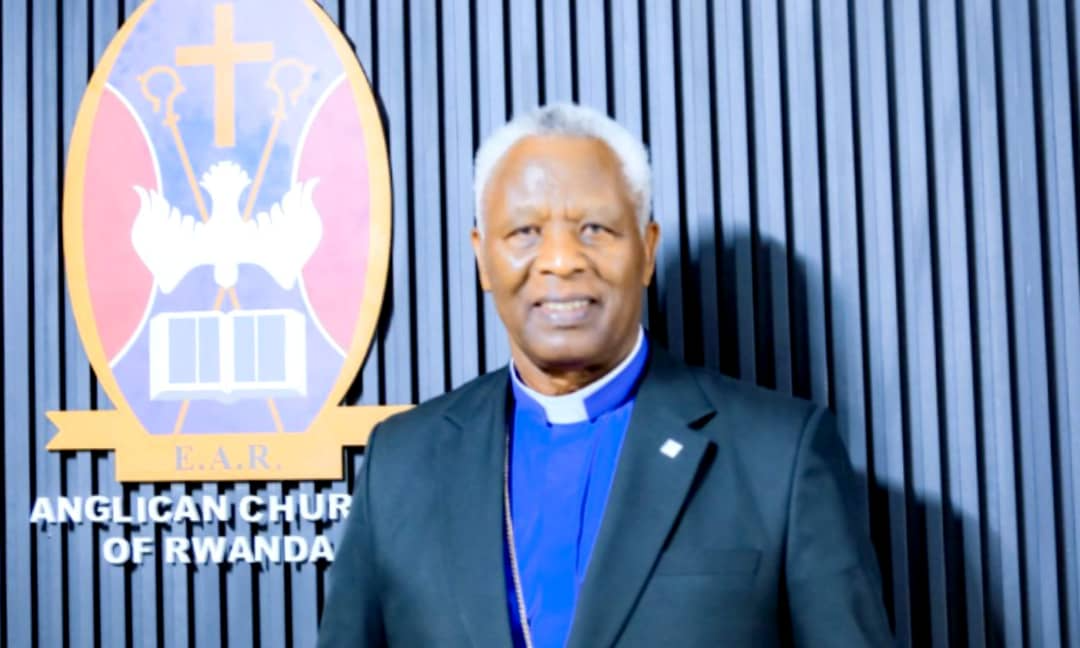
Starting October 25, 2026, the Anglican Church in Rwanda will have a new Archbishop, Dr. Gahima Manasseh, who was elected on September 11 to succeed Dr. Laurent Mbanda after eight years of leadership.

During his tenure, the Anglican Church in Rwanda experienced growth and made major decisions, including parting ways with the Church of England over disagreements concerning biblical teachings and church leadership.
In an interview, Archbishop Laurent Mbanda spoke about his successor, the achievements and challenges of his leadership, same-sex relationships, the church’s separation from the Church of England and the work he plans to continue after leaving the position.
Dr. Gahima Manasseh Elected as Successor
Archbishop Mbanda said he was pleased with the election of Dr. Gahima Manasseh, describing the process as peaceful and a demonstration of unity within the church. Mbanda said: “We thank God that the election went well. We thank God that there was strong cooperation and that there was a good election for the bishop who will succeed me.”
He said the election showed unity, cooperation and togetherness among the bishops. Mbanda also expressed satisfaction with the person chosen to succeed him, saying the bishops had prayed for God to provide a suitable leader for the church at this time.
Mbanda Praises Gahima’s Leadership Experience
Describing Dr. Gahima, Mbanda said he is a committed Christian, humble and able to work well with people. He noted that Gahima has leadership experience in different areas, including schools, local government and the church. He also praised his ability to remain firm during difficult situations and his commitment to evangelism.
Mbanda said: “He is also someone who loves evangelism and is a leader.” The outgoing Archbishop added that he, the Anglican Church in Rwanda and the bishops who voted for Gahima are all satisfied with his election.
Anglican Church Has Grown Under Mbanda
Mbanda said he is leaving the Anglican Church in Rwanda in a strong position after eight years of leadership.
He said all dioceses have experienced growth in the number of Christians and have participated in evangelism programmes established during his tenure.
One example is the Diocese of Gasabo, where the number of Christians increased from more than 2,900 to over 10,000.
He also highlighted Community Bible Study, which started in one diocese but has since expanded to all dioceses. According to Mbanda, about 200,000 people currently participate in the programme, studying the Bible while also learning ways to improve their lives and overcome poverty.
Since 2018, the Anglican Church in Rwanda has also established two new dioceses, including the Diocese of Karongi and the Diocese of Nyaruguru, which was created from the Diocese of Kigeme.
Mbanda said new parishes, churches and basic church communities have also been established in different dioceses, describing the developments as evidence of continued life and growth within the church.
Church Leadership Faced Human and Development Challenges
Mbanda said one of the biggest challenges during his leadership came from people themselves, explaining that differences in attitudes, understanding and personal interests can create disagreements.
He said some people questioned whether the church was focusing enough on preaching the Gospel, while others believed it was paying too much attention to development. Mbanda defended the church’s approach, saying evangelism should address the whole person.
He said: “We follow a holistic approach to evangelism.” He added that spiritual matters and development should go together rather than being treated as separate responsibilities.
He argued that people need more than spiritual guidance, noting that they also need food, sleep, medical care and other necessities.
Mbanda Says He Will Continue Serving the Church
Although his term as Archbishop will end in October 2026, Mbanda said he does not consider himself to be leaving God’s work.
He said he has other responsibilities that he expects to carry out for the following two years and believes he can continue serving the Global Anglican Communion wherever his abilities are needed.
Mbanda said: “I am a Christian, I love the church, and I love God’s work wherever it may be, whether in Rwanda or outside Rwanda.” He added that he intends to continue contributing to the church as long as he is able.
He said: “I will serve God until I go to Heaven.” stressing that there is enough work to be done without people fighting over a particular leadership position.
ALSO READ: https://agaciropress.com/british-tourist-arrested-in-turkey-for-spitting-on-national-flag/
Mbanda Calls for Unity Under New Archbishop
Asked what he would like his successor to accomplish, Mbanda said he believes he has fulfilled the five main pillars he committed himself to during his leadership.
However, he acknowledged that this does not mean everything was done perfectly. He encouraged Gahima to maintain and strengthen the unity of the church while keeping it focused on its calling.
Mbanda said his successor has a strong foundation from which to build and may identify areas requiring greater attention or improvement. He also promised to make himself available if Gahima needs advice.
“Keep Christ at the Centre”
Mbanda said his main advice to the incoming Archbishop is to remain focused on Christ and the Word of God. He said Gahima should establish himself firmly on the Bible and keep it at the centre of the church Mbanda said: “Whatever I can show him, I will show him. I will hide nothing from him. If he wants advice, we are here.”
He noted that Gahima already knows the church well because he has served as a bishop for years. According to Mbanda, the church has operated openly, meaning that the new Archbishop already has a good understanding of its activities and direction.
Why Rwanda Parted Ways With the Church of England
Mbanda explained that the Anglican Church in Rwanda separated from the Church of England because of disagreements over biblical teachings and church leadership. He rejected the argument that the disagreement was mainly caused by the Church of England appointing a woman leader. Mbanda pointed out that women hold leadership positions within the Anglican Church in Rwanda and elsewhere in Africa.
He said the central issue was whether the church would remain guided by the Bible. he said: “When you begin to remove the Word of God from the church and put it aside, saying that its teachings are old and outdated, and say, ‘Let us introduce modern values and move with the times,’ that is where we will disagree.”
Mbanda Explains the Church’s Position on Same-Sex Relationships
Mbanda said the Anglican Church in Rwanda does not prevent people involved in same-sex relationships from attending church or hearing the Gospel.
He said anyone who wants to attend church, hear the Word of God or repent should be welcomed. However, he distinguished between allowing people to hear the Gospel and appointing them to church leadership. Mbanda said: “If someone wants to hear the Word of God, let them hear it.”
He added that the church would not accept a person involved in same-sex relationships becoming a bishop or pastor because, in its view, the Bible sets requirements for people who serve as church leaders. Mbanda said the church would not compromise those requirements because a particular practice had become popular.
Church Says Independence Has Strengthened Its Voice
Mbanda said the separation from the Church of England has not resulted in negative consequences for the Anglican Church in Rwanda.
He acknowledged that the church no longer receives some of the things it previously received, but said it has found ways to replace them through its own resources. According to Mbanda, the church has become more self-reliant and is now able to speak more independently.
he said: “When we were affiliated with the British church, we were always asking for things and applauding them. Now we speak and our voice is heard.” He said the church’s ability to generate its own resources has allowed it to participate in discussions without being influenced by financial support.
Mbanda said: “You do not sell your soul or your faith simply because money is involved,” He concluded by emphasizing that the church must remain committed to what it believes, regardless of financial consequences.