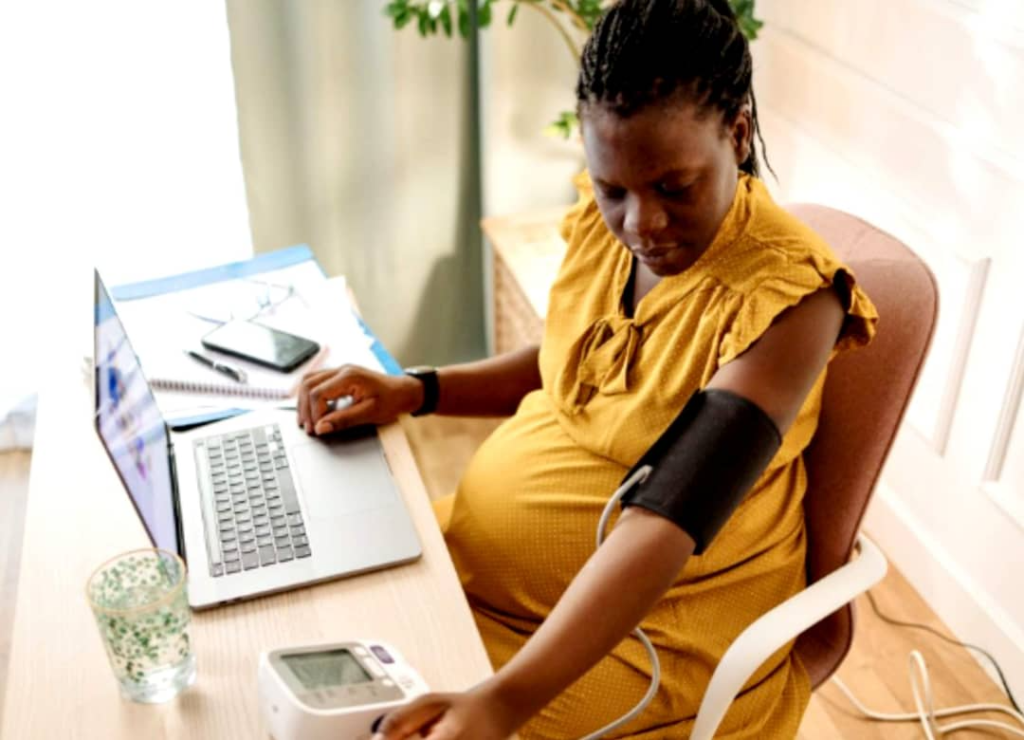































Chemicals commonly used in making fragrances, cleaning products, cosmetics, plastics, and packaging materials may be associated with high blood pressure during pregnancy, according to a study.

A study conducted by the Harvard T.H. Chan School of Public Health found that pregnant women who had higher levels of phthalates in their bodies were more likely to have higher blood pressure. Phthalates are man-made chemicals that are often added to plastics to make them softer and more flexible.
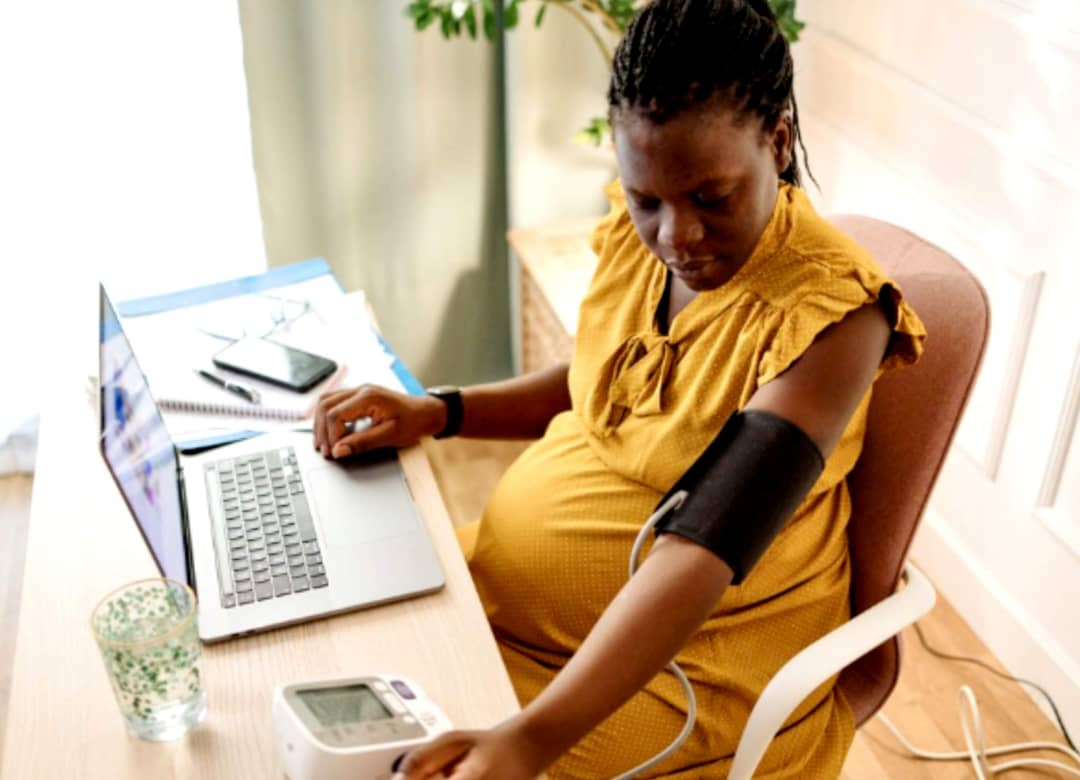
Researchers in the United States followed 338 pregnant women, measuring the levels of these chemicals in their urine and their blood pressure at 11, 19, and 26 weeks of pregnancy. Among them, 13% developed high blood pressure related to pregnancy.
ALSO READ: https://agaciropress.com/rwanda-catholics-celebrate-assumption-of-the-virgin-mary-today/
Fragrance Chemicals Linked to Blood Pressure
The study, published in the Journal of the Endocrine Society, found that monoethyl phthalate showed the strongest and most consistent association with higher blood pressure. This chemical can enter the body through the skin or through breathing air and dust containing residues from fragrances.
High blood pressure is normally caused by various factors, including obesity. However, researchers found that exposure to these chemicals may also contribute to its development.
Kimberly Parra, a doctoral student at the Harvard T.H. Chan School of Public Health, said, “Our study shows that having higher levels of chemicals such as phthalates in the body may contribute to increased blood pressure during pregnancy.”
ALSO READ: https://agaciropress.com/rwanda-catholics-celebrate-assumption-of-the-virgin-mary-today/
Researchers Urge Reduced Exposure
She added, “Reducing the use of personal care and cosmetic products containing these chemicals, especially fragranced products, could be one way of addressing high blood pressure during pregnancy and improving maternal health.”
Phthalates are considered potentially harmful to reproductive health and their use has been restricted in several countries, including the United Kingdom.
Previous studies have also shown that phthalates may contribute to reduced sperm count, reproductive problems, and difficulties with conception.
ALSO READ: https://agaciropress.com/minicom-calls-for-more-business-owners-to-promote-made-in-rwanda-products/