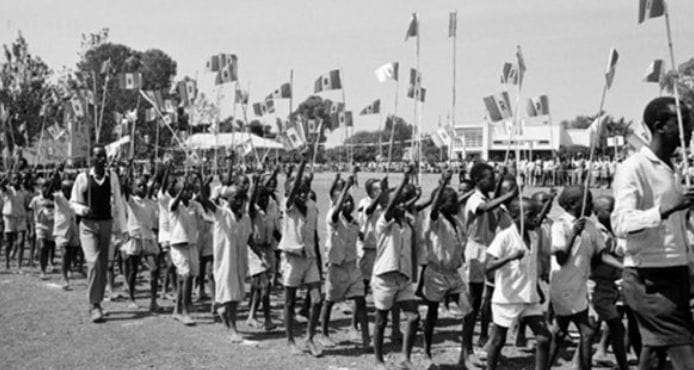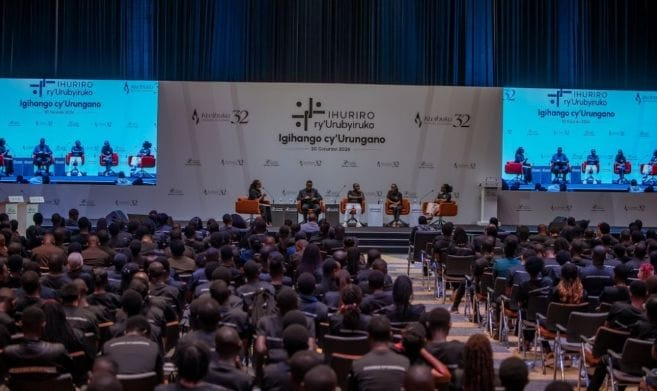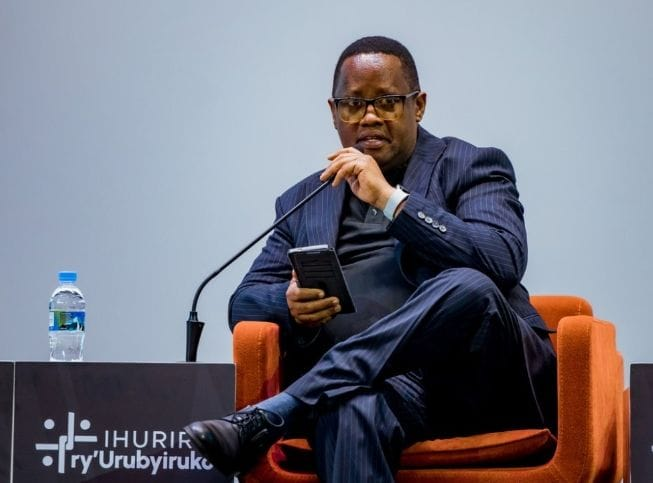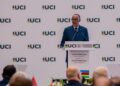
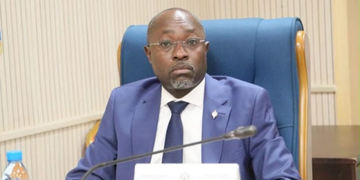




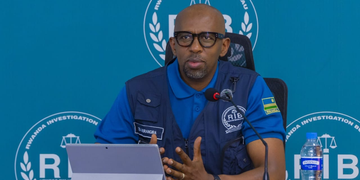





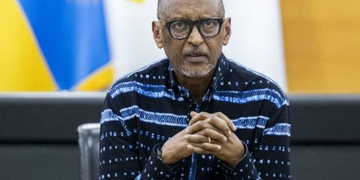
















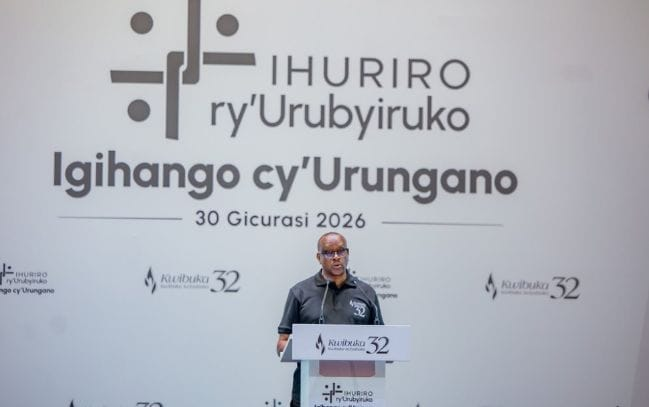
Rwanda’s painful history continues to be examined, with new evidence presented by Dr. Jean Damascène Bizimana at the Igihango cy’Urungano Youth Forum on May 30, 2026. His presentation traced the origins of the ideology that culminated in the 1994 Genocide against the Tutsi, beginning in 1959 and evolving through the regimes of Grégoire Kayibanda and Juvénal Habyarimana.

Institutionalized Discrimination
Dr. Bizimana explained how both Kayibanda and Habyarimana entrenched ethnic and regional discrimination in Rwanda. Habyarimana’s hostility toward the Tutsi was so profound that he supported the creation of extremist organisations designed to spread ethnic hatred.
Evidence of Preparations for Genocide
From 1990 onward, intelligence and government reports documented attacks against Tutsi. Colonel Deogratias Nsabimana reported that in 1991, Habyarimana personally launched military training for Interahamwe recruits in Gabiro and distributed 1,760 firearms.
Inflammatory Speeches and Violence
On November 22, 1992, Colonel Laurent Serubuga and Léon Mugesera delivered speeches in Ngororero advocating the extermination of Tutsi. Shortly afterwards, attacks began, showing the direct link between political rhetoric and violence.
The Founding of CDR
Bizimana revealed that the Coalition pour la Défense de la République (CDR) was founded on February 22, 1992, at Urugwiro Village, within Habyarimana’s own office. Its objective was to promote Hutu solidarity and advocate for the elimination of Tutsi. Founding members included Martin Bucyana, Théoneste Nahimana, Antoine Misago Rutegesha, Jean-Baptiste Mugimba, Béatrice Uwamariya, and others.
Legacy of Ethnic Division
Kayibanda’s Parmehutu party, founded in 1959, propagated division by portraying Tutsi as foreigners. Its manifestos and rhetoric undermined national unity, and Habyarimana continued these policies, further marginalising Tutsi in education and employment.
Habyarimana’s Rule
Under Habyarimana, ethnic quotas limited Tutsi to 10 per cent of opportunities in education and employment. Refugees were denied return, and their properties were redistributed. These policies institutionalised exclusion and laid the groundwork for genocide.
Lessons for the Youth
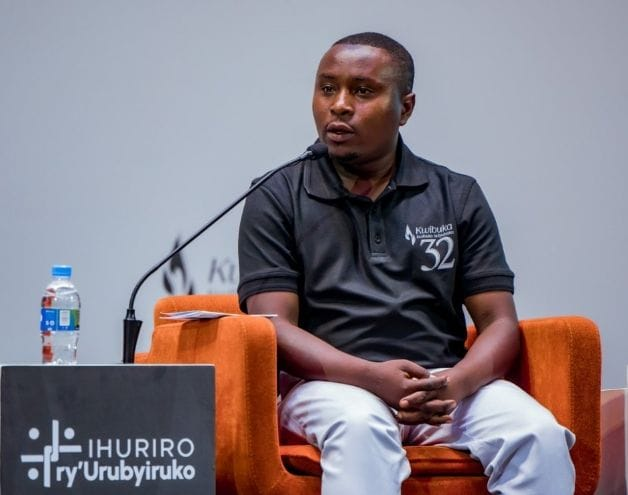
Dr. Bizimana urged young people to study Rwanda’s history to avoid repeating past mistakes. Researcher Eric Ndushabandi warned that genocide ideology leads to destruction, while testimony from Patrick Nkurunziza, a former FDLR recruit, illustrated how indoctrination with hatred and denial perpetuates violence.