














Rwanda is taking a bold step to ensure that the memory of the 1994 Genocide against the Tutsi is preserved while empowering future generations with knowledge anRwanda is taking bold steps to preserve the memory of the 1994 Genocide against the Tutsi while empowering future generations. A new program will turn genocide memorial sites into educational hubs, helping young people understand history and commit to preventing future atrocities.

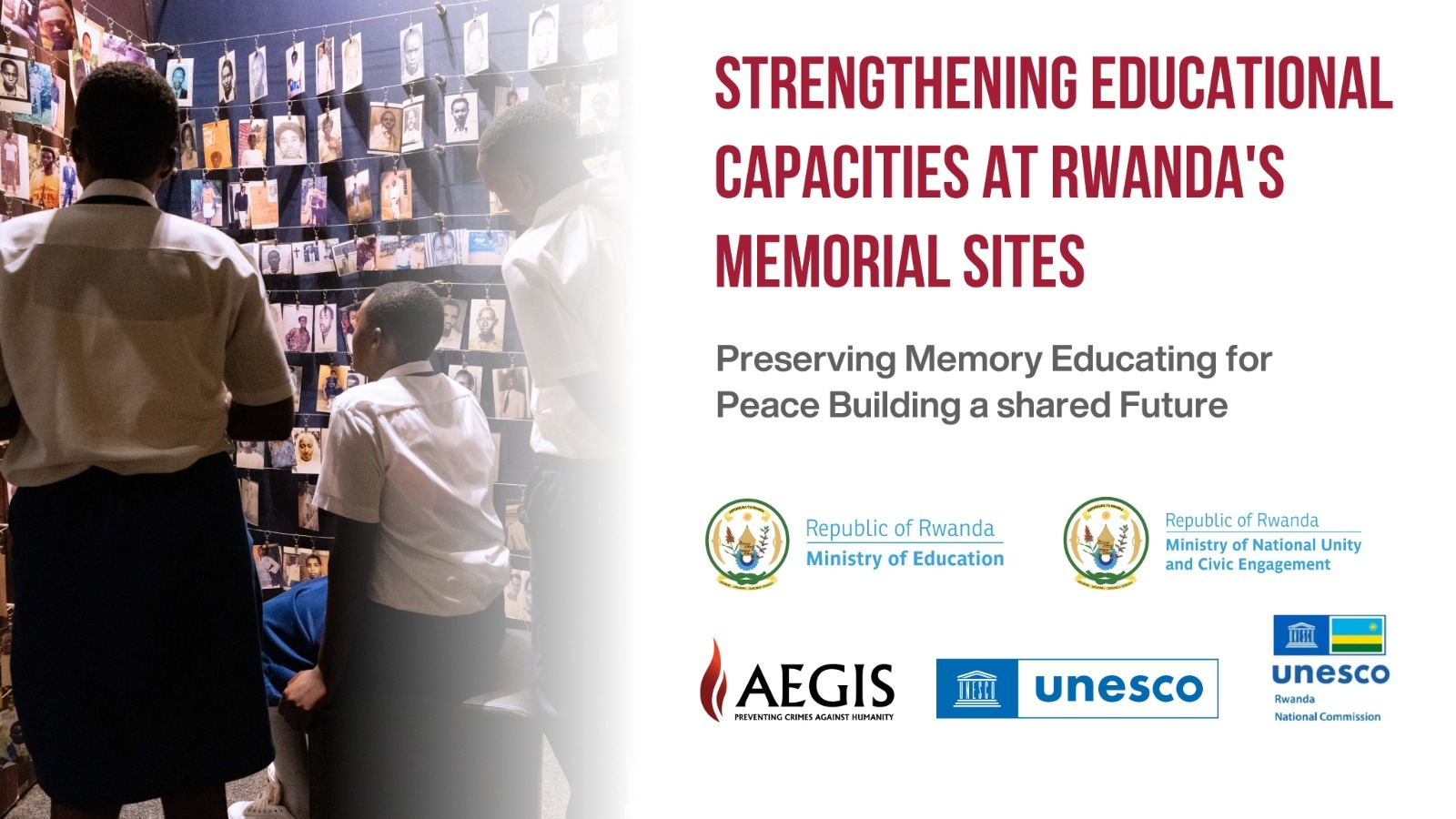
Strengthening Educational Capacities at Memorial Sites
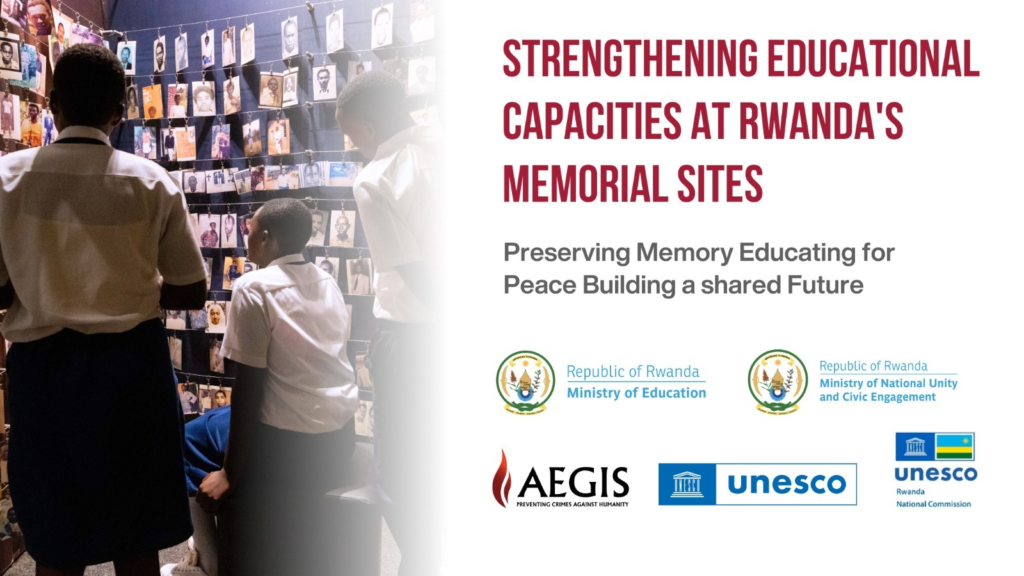
Genocide memorial sites across Rwanda will play a greater role in teaching young people, especially primary and secondary school students. The initiative aims to strengthen historical understanding and promote genocide prevention.
ALSO READ: US Launches Airstrikes on Iran After Apache Helicopter Downing
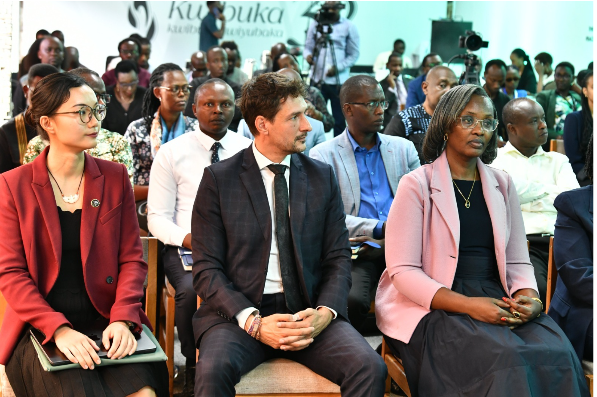
The program was unveiled on Tuesday by Aegis Trust, in partnership with the Government of Rwanda, UNESCO, and other stakeholders. It will enhance educational capacity at the country’s memorial sites. Named “Strengthening Educational Capacities at Rwanda’s Memorial Sites,” the project helps young people learn about the genocide, reflect on its consequences, and commit to ensuring such atrocities never happen again.
Focus on UNESCO World Heritage Memorials
The initiative will begin with four UNESCO World Heritage-listed memorials: Kigali, Murambi, Nyamata, and Bisesero. These sites will be equipped to engage young visitors and answer their questions about the genocide and its legacy.
ALSO READ: Is Iran Walking a Dangerous Path?
Addressing Youth Questions and Concerns
Joel Benita Habiyambere, Director of Partnerships at Aegis Trust, explained that visits often leave strong impressions but lack age-appropriate explanations.
“Children and teenagers, especially those between 12 and 18, leave memorials with many questions. Parents and educators may not always feel prepared for the difficult conversations that follow,” he said.
Education as a Tool for Peace
ALSO READ: DRC: Lawmakers Clear the Way for Tshisekedi to Stay in Power for Many Years
Dr. Rose Baguma, Director General of Education Policy at Rwanda’s Ministry of Education, stressed that education is one of the most effective tools for teaching Rwanda’s history. It also helps young people build peaceful and inclusive societies.
UNESCO heritage specialist Karel Fracapane added that memorials provide unique learning experiences beyond classroom lessons.
“These are the places where genocide occurred. Memorials help young people and other visitors understand the reality of what happened. They provide not only historical knowledge but also a powerful emotional connection that fosters empathy and humanity.”
First Phase Implementation
The first phase will run for ten months. It will reach 56 educators and counsellors near the memorial sites and more than 1,500 students. Afterwards, the program will expand to more memorials and schools across Rwanda.
Preserving Memory and Promoting Peace
This initiative marks a major step in preserving historical memory. It ensures that future generations gain both the knowledge and values needed to prevent genocide and promote lasting peace.