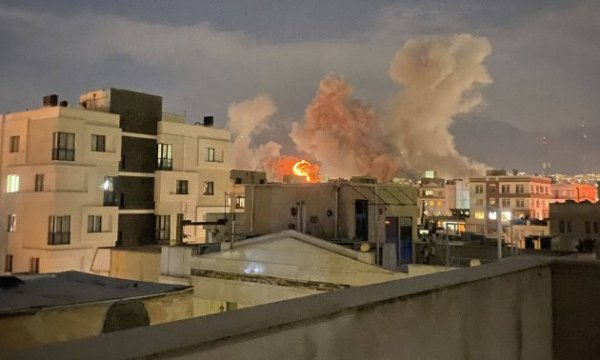
































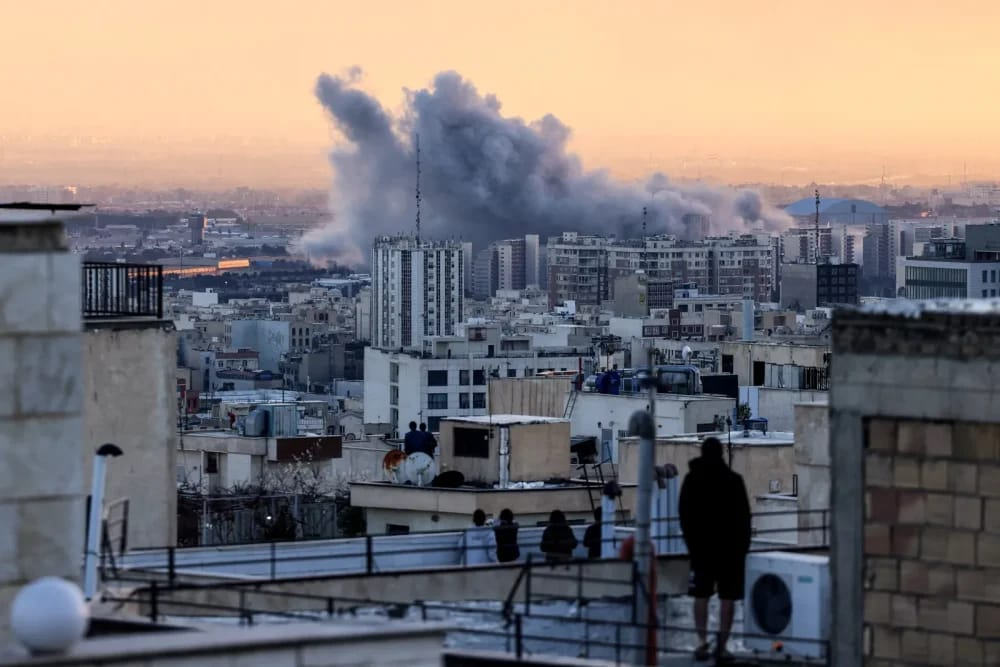
The confrontation between Iran and the United States has intensified, raising fears of a prolonged conflict in the Middle East. With both nations locked in a cycle of retaliation, the fragile ceasefire has collapsed, and the strategic Strait of Hormuz once again finds itself at the centre of global attention.

Iran’s Foreign Minister Responds
Iran’s Foreign Minister Abbas Araghchi has issued a strong statement in response to U.S. military actions in the Middle East. He declared that if America truly wants peace, it must withdraw from the region, otherwise Iran will continue to retaliate against any attacks.
ALSO READ: NGOMA: Growing Avocados Transforms Farmers’ Lives
U.S. Strikes After Helicopter Downing
The remarks came after the U.S. struck Iranian air defence positions as retaliation for the downing of an American helicopter near the Strait of Hormuz. Araghchi insisted, “If you want peace, you must leave our region. Our forces are strong and will never allow any attack to go unanswered.”
ALSO READ: National Artificial Intelligence Agency to Be Established in Rwanda
Test of Strength Between Nations
This exchange has turned into a test of strength between the two nations. President Donald Trump also vowed that no Iranian strike would go unanswered, saying, “They shot down a helicopter, and as we speak, we are striking back.”
Collapse of Ceasefire
The two sides had recently agreed to a 60‑day ceasefire, but it collapsed quickly as clashes resumed. The situation highlights the fragile state of U.S.–Iran relations, the volatility of the Middle East conflict, and the strategic tension around the Strait of Hormuz.
Cycle of Retaliation
This escalation shows how both nations are locked in a cycle of retaliation, with peace efforts repeatedly undermined by renewed hostilities.