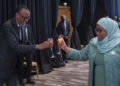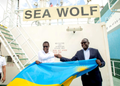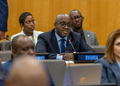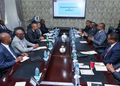
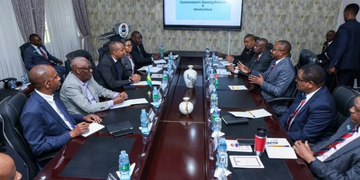
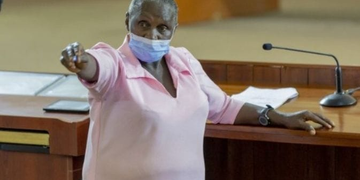









Paris, June 30, 2026 – For the first time in the 56-year history of the International Organisation of La Francophonie (OIF), candidates seeking to lead the organization are presenting their visions directly to the foreign ministers of member states ahead of the election scheduled during the Summit of Heads of State and Government in Phnom Penh, Cambodia, in November 2026.

The unprecedented event marks the official start of a genuinely competitive leadership race, breaking with the organization’s long-standing tradition of selecting a Secretary-General through broad consensus among member states. Under the new system, each voting member has one vote, regardless of its size or influence, meaning that neither Canada nor France can unilaterally shape the outcome.
The reforms were introduced during the tenure of Louise Mushikiwabo with the aim of addressing longstanding concerns about the organization’s electoral process.
When Michaëlle Jean was elected, the selection process relied heavily on consensus among member states. Countries were expected to agree on a single candidate before the formal vote.
At the time, African nations failed to unite behind Jean-Claude de l’Estrac, allowing Michaëlle Jean, who enjoyed the backing of France and Canada, to secure the position.
That consensus-based approach also led some observers to argue that Louise Mushikiwabo’s election in 2018 was facilitated by the improved diplomatic relationship between Rwanda and France.
Under the revised OIF electoral rules, member states are no longer required to rally behind a consensus candidate. Instead, the Secretary-General is elected through a standard vote in which each country casts one ballot.
The new system would also have applied during Mushikiwabo’s bid for a second term, although it had little practical effect since she was the sole candidate.
Four Candidates Vie for the OIF’s Top Position
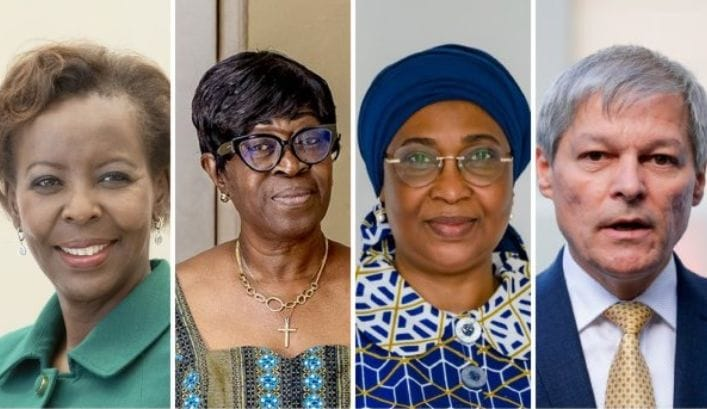
The four candidates competing for the post are:
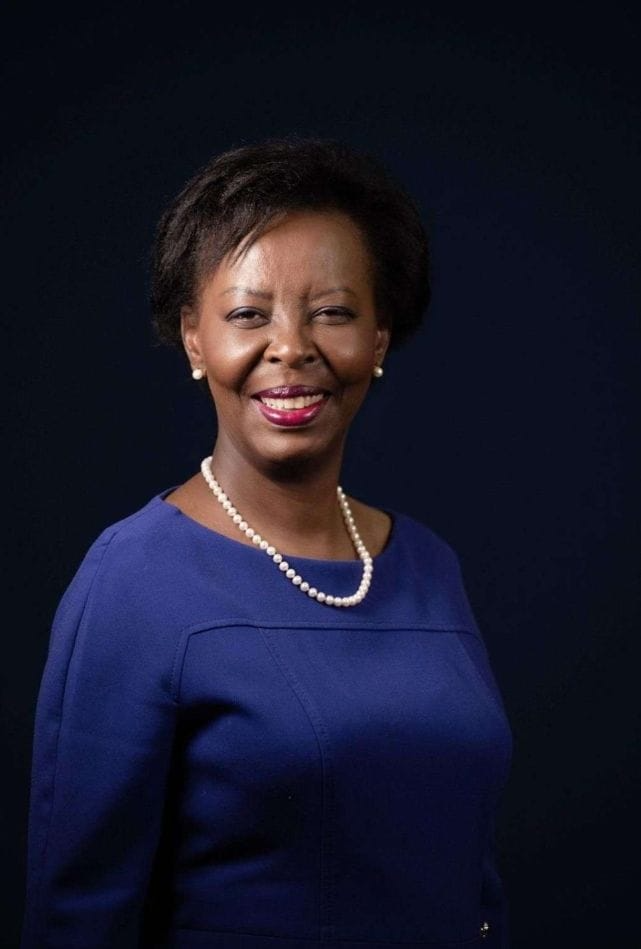
- Louise Mushikiwabo, the incumbent Secretary-General from Rwanda;
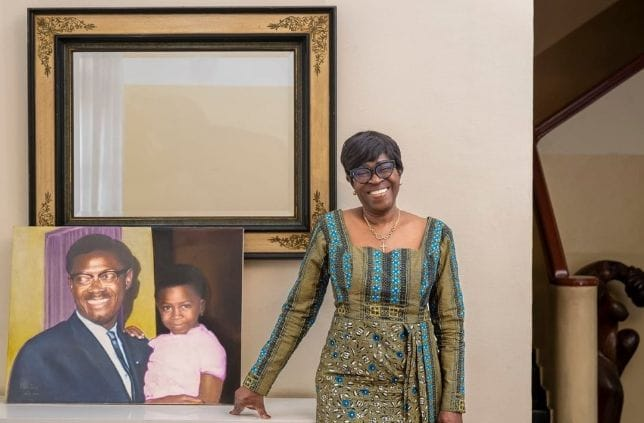
- Juliana Amato Lumumba of the Democratic Republic of the Congo;
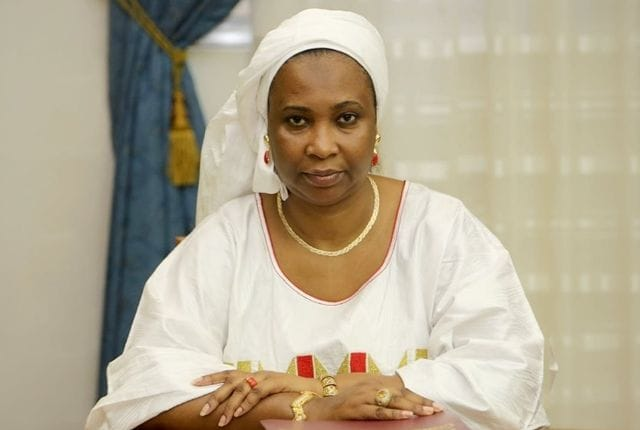
- Coumba Ba of Mauritania; and
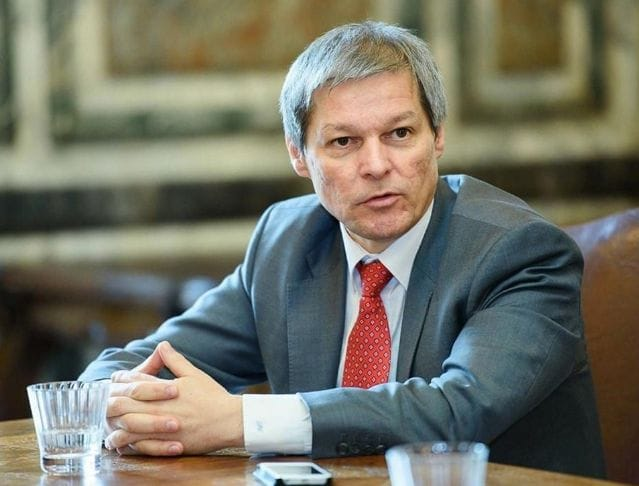
- Dacian Cioloș, the former Prime Minister of Romania.
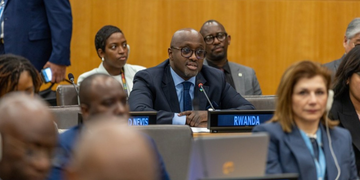
Each candidate is allotted 45 minutes before the foreign ministers: five minutes for a personal introduction, 20 minutes to present their platform, and another 20 minutes to answer questions from representatives of member states.
Following the presentations, the ministers will hold a closed-door meeting to assess the candidates and prepare recommendations before heads of state and government make the final decision in November.
Their report will provide national leaders with an overview of each candidate’s vision, priorities, and leadership agenda.
Mushikiwabo Enters the Race as the Front-Runner
Although four candidates are contesting the position, much of the attention remains focused on Louise Mushikiwabo, who has led the organization since 2018.
This time, however, her candidacy has attracted significant political attention following the Democratic Republic of the Congo’s decision to field Juliana Lumumba as a challenger.
Having served two terms as Secretary-General, Mushikiwabo is widely regarded as the front-runner because of her experience, leadership record, and support from Rwanda and several key partners.
Her candidacy was formally endorsed by Rwanda after numerous member states urged her to seek a third term during the OIF Ministerial Conference held in Kigali in November 2025.
At the time, Mushikiwabo acknowledged the calls but stated that the final decision rested with the Rwandan government. What initially began as a proposal supported by only two countries eventually gained the backing of more than 15 member states.
Supporters credit her with providing stable, rules-based leadership, strengthening financial management, and maintaining institutional cohesion within the organization.
Political Dynamics Shape the Election Campaign
Juliana Lumumba has based her campaign partly on the legacy of her father, Patrice Lumumba, and on the Democratic Republic of the Congo’s status as the world’s largest French-speaking country by population.
Kinshasa has invested considerable diplomatic effort in her campaign, although many observers view the candidacy as carrying a political dimension aimed at challenging Mushikiwabo, particularly amid the prolonged tensions between Rwanda and the Democratic Republic of the Congo.
France, which traditionally wields considerable influence within the OIF, is reportedly avoiding any public endorsement while the electoral process is underway.
Some analysts also believe that Canada, whose relations with Mushikiwabo were at times strained during the government of Justin Trudeau, may have reassessed its position following the arrival of Mark Carney as prime minister.
Mauritania’s Coumba Ba is also in the race but is generally viewed as having limited chances of victory.
Meanwhile, Dacian Cioloș brings significant European political experience. However, his candidacy faces skepticism from many African member states, which believe the OIF should continue reflecting the priorities of Africa, home to the majority of the world’s French-speaking population.
A Historic Vote Could Redefine the OIF’s Future
The election signals a new chapter for the OIF.
For decades, the organization relied primarily on consensus in selecting its Secretary-General. This year, however, 53 voting member states will participate in what is expected to be the first fully competitive secret ballot in the organization’s history.
For Mushikiwabo, the contest represents a bid for a third term, following the precedent set by former Secretary-General Abdou Diouf.
For Lumumba, it is an opportunity to secure what the Democratic Republic of the Congo believes is a leadership role befitting the world’s largest French-speaking nation.
In recent weeks, senior Rwandan officials have conducted diplomatic visits across OIF member states to rally support for Mushikiwabo’s candidacy.
Rwanda has also encouraged member states to send heads of state or government to the summit in Cambodia, arguing that high-level participation could significantly influence the outcome of the election through direct diplomatic engagement.
The OIF comprises 90 member states and governments, of which 53 have voting rights. The majority of those voting members are African countries.