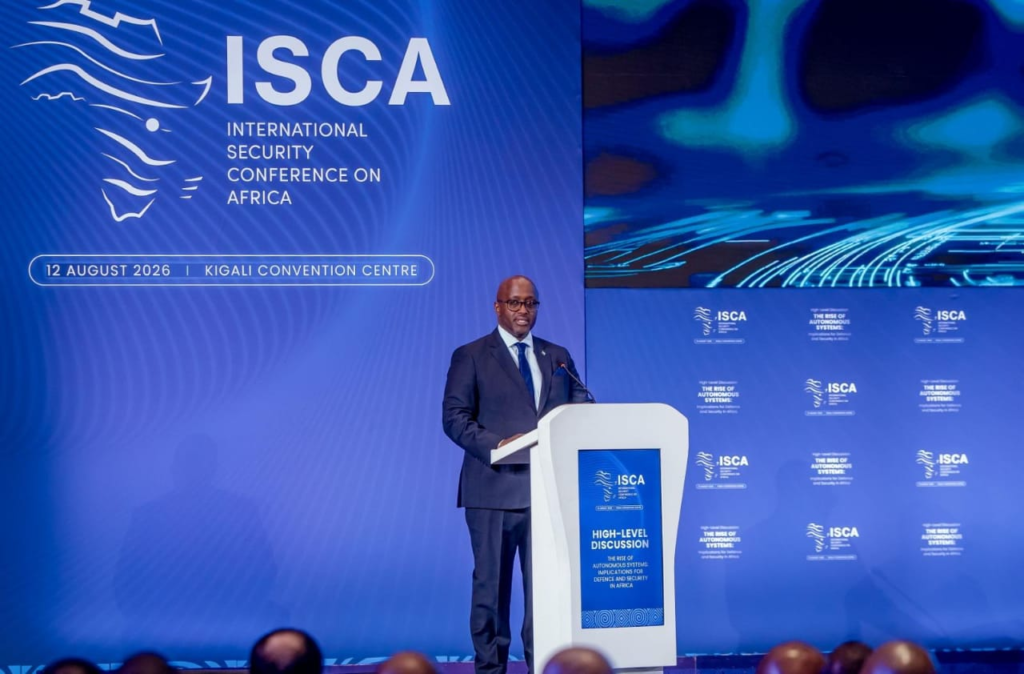









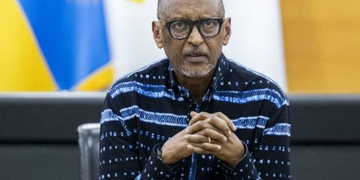
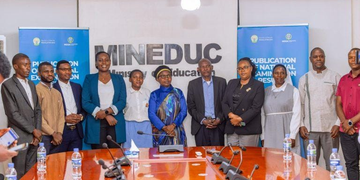










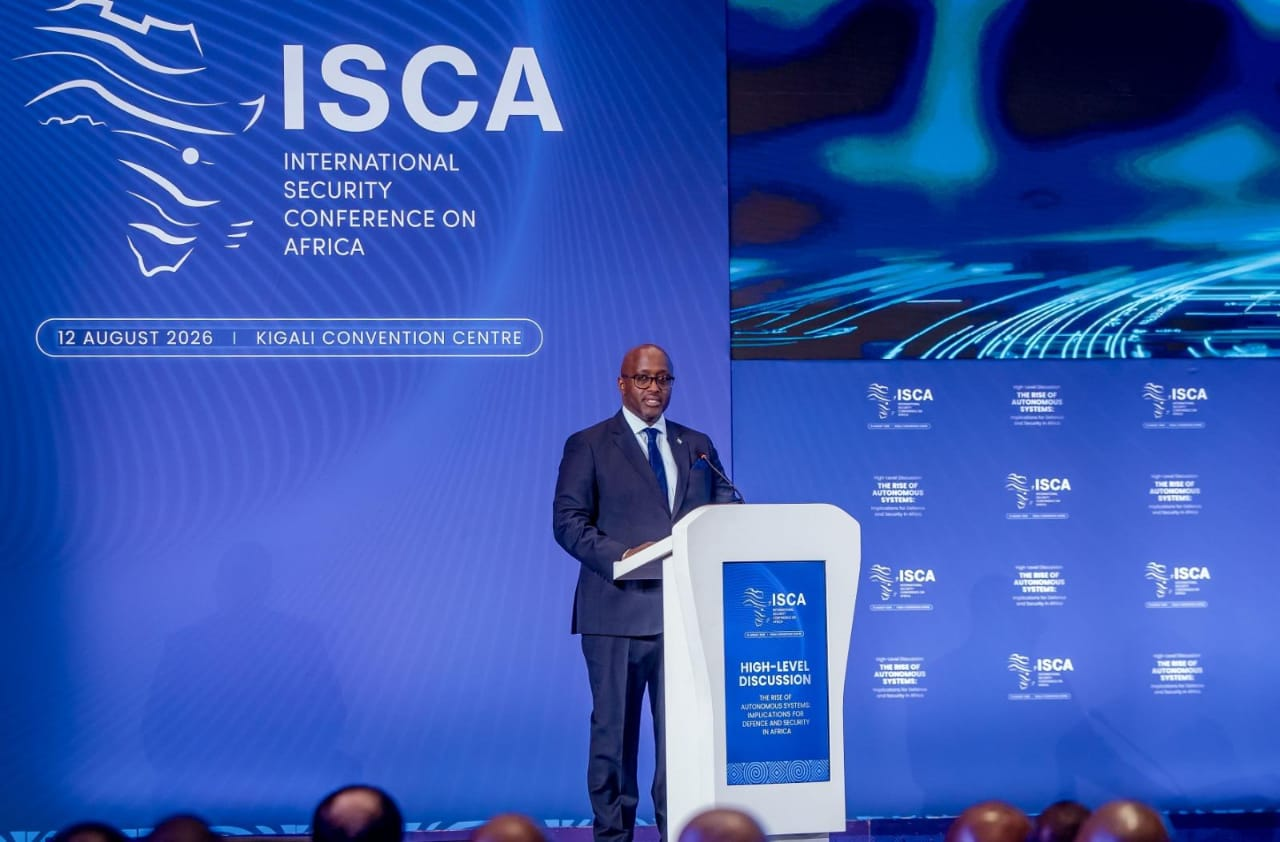
Minister of Foreign Affairs, Amb. Olivier Nduhungirehe, stated that as advanced technology continues to develop, African countries should begin investing in building citizens’ capacity and using it to safeguard national security and sovereignty.

Observers of the war in Ukraine and Russia have seen how technology has changed the way battles are fought, with Ukraine able to strike thousands of kilometers inside Russia using drones, or Russia firing into various cities without its soldiers being physically present.
These drones include the An-196 Liutyi, which can travel 1000–2000 kilometers before exploding. It is programmed with a route to follow until it reaches its target and then self-detonates.
Other military technologies include robots equipped with sensors that allow them to detect, analyze, and make decisions, carrying out tasks without human involvement.
Recent conflicts such as those involving the US, Israel, and Iran show how Israel infiltrated Iran’s intelligence systems, sending drones to strike multiple locations in a short time, demonstrating the extensive use of artificial intelligence in warfare.
ALSO READ: https://agaciropress.com/putin-promises-retaliation-against-europe-if-it-seizes-russian-ships/
Call for Africa to Embrace Emerging Technologies
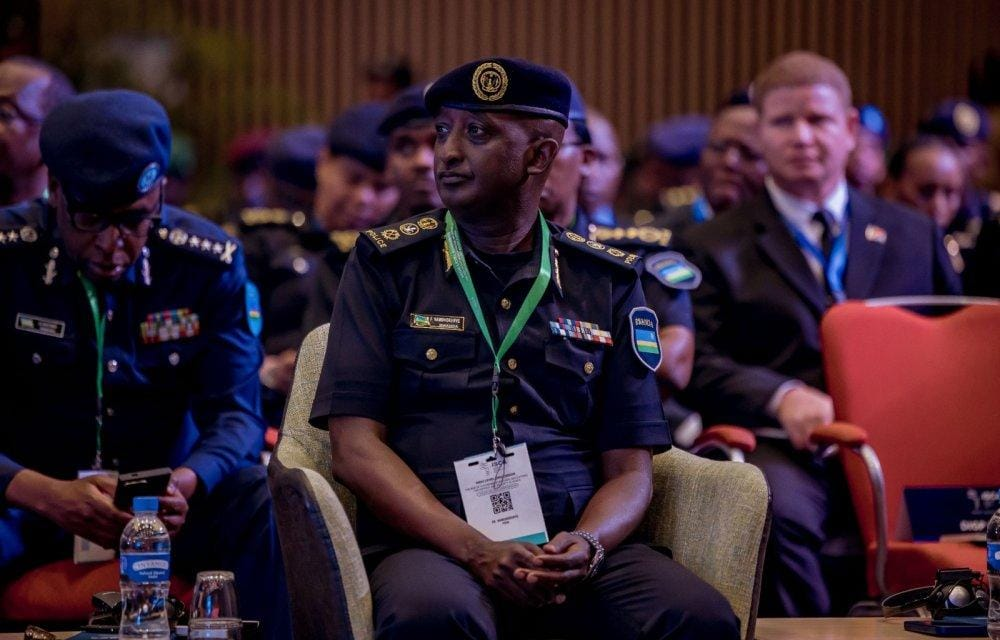
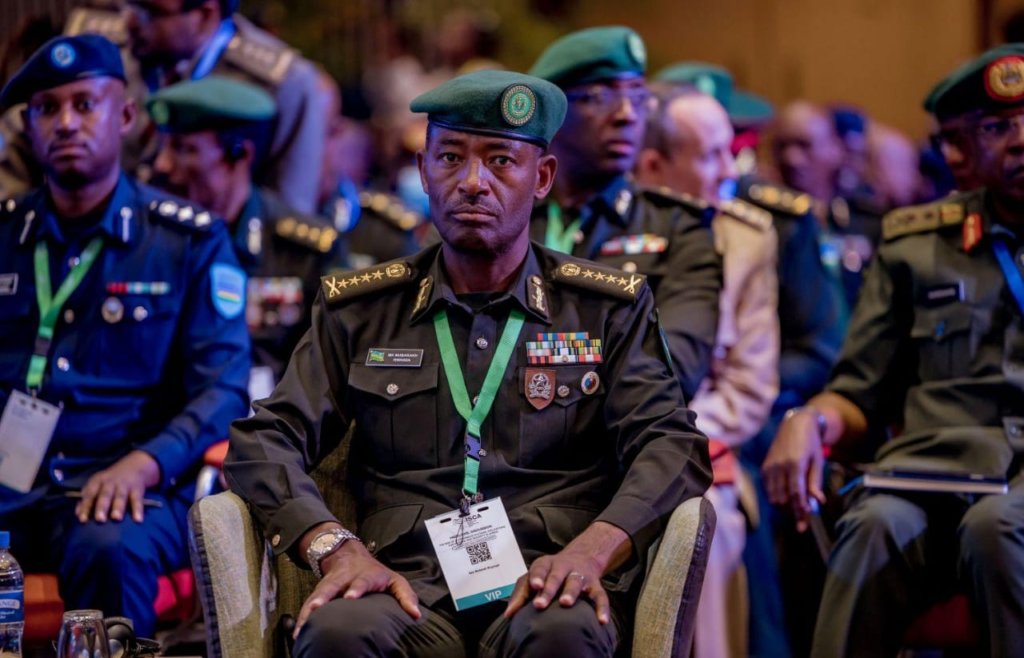
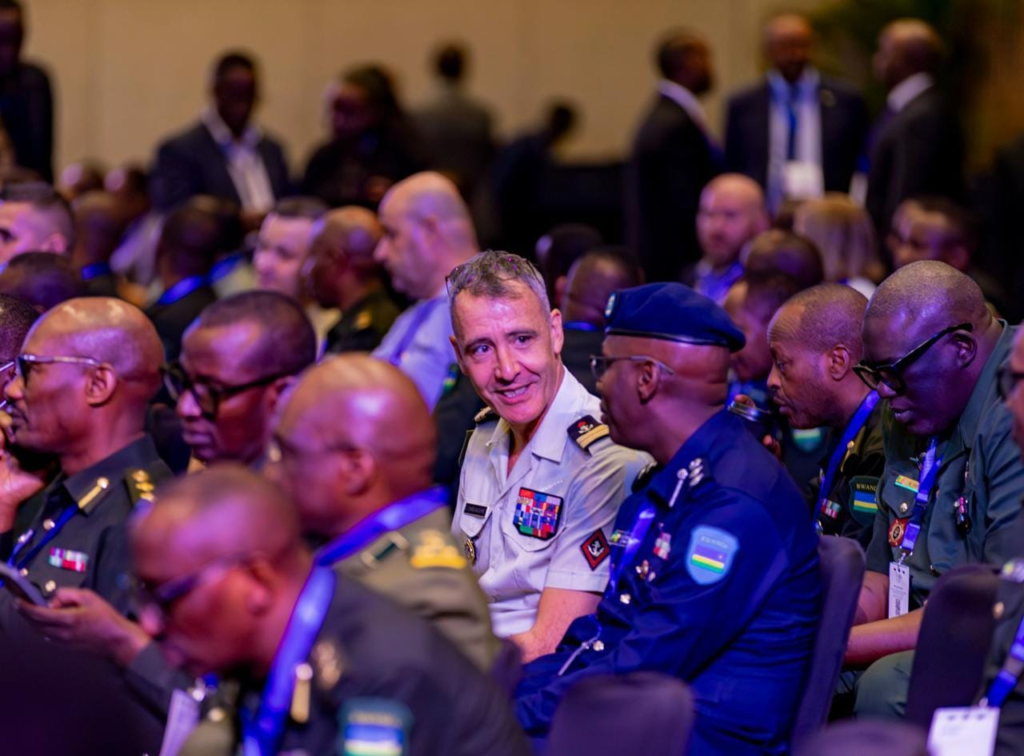
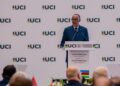
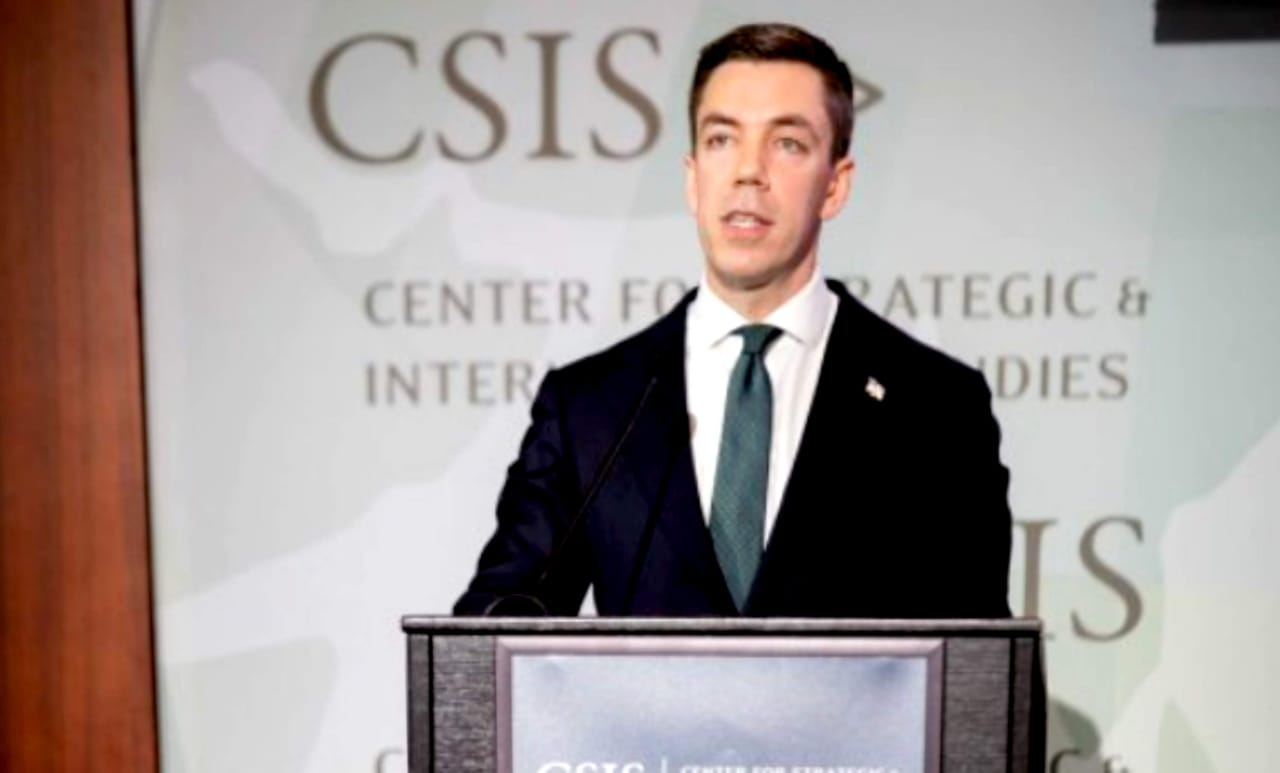
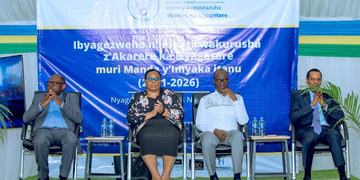
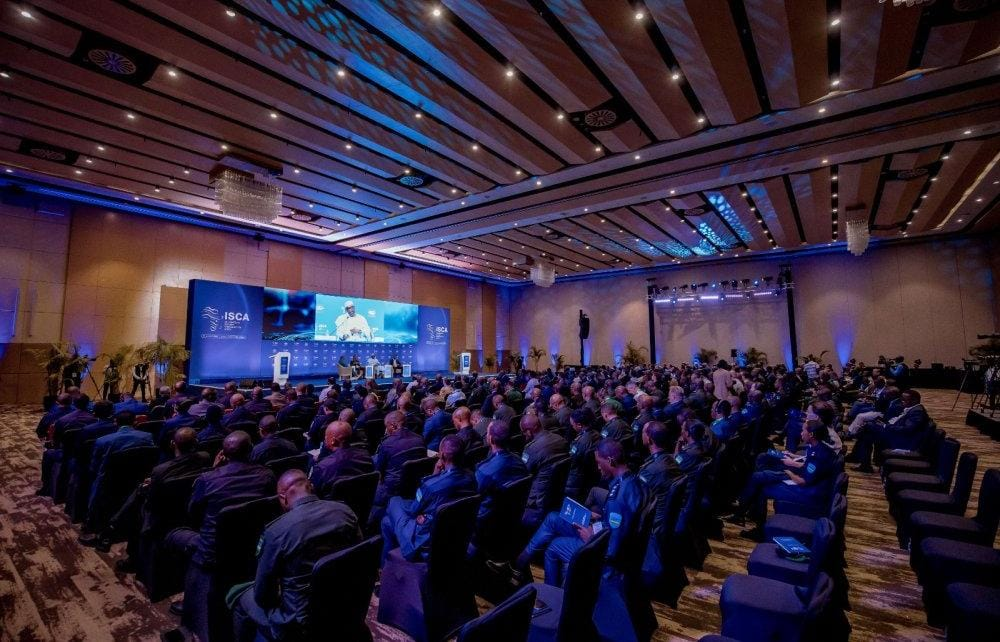
While opening the International Security Conference on Africa (ISCA) in Kigali on August 12, 2026, Minister Nduhungirehe highlighted that such technology has already reached both state security institutions and armed groups, requiring government forces to develop advanced capabilities to use it.
He said: “Autonomous systems and artificial intelligence are increasingly accessible even to non-state groups. This means our armies and security institutions must adopt them and stay ahead. Africa cannot afford to lag behind while this technology advances; we must understand what it means for our security and sovereignty.”
Technology as a Tool Against Terrorism
Africa has long faced wars in regions such as West Africa, where terrorist groups operate, and the Great Lakes region.
He said: “Autonomous technology is an opportunity. It can help us effectively confront threats to our security including terrorism, armed group attacks, and organized crime. To fully benefit from this technology, Africa must invest in its own capacity, meaning developing the necessary skills, strengthening our institutions, and building solutions tailored to our challenges.”
Minister Nduhungirehe said ISCA provided a platform to continue exchanging ideas and creating African solutions to the continent’s security challenges.
ALSO READ: https://agaciropress.com/in-rwanda-54-of-unmarried-women-use-family-planning-methods/
Military Strength Is Changing
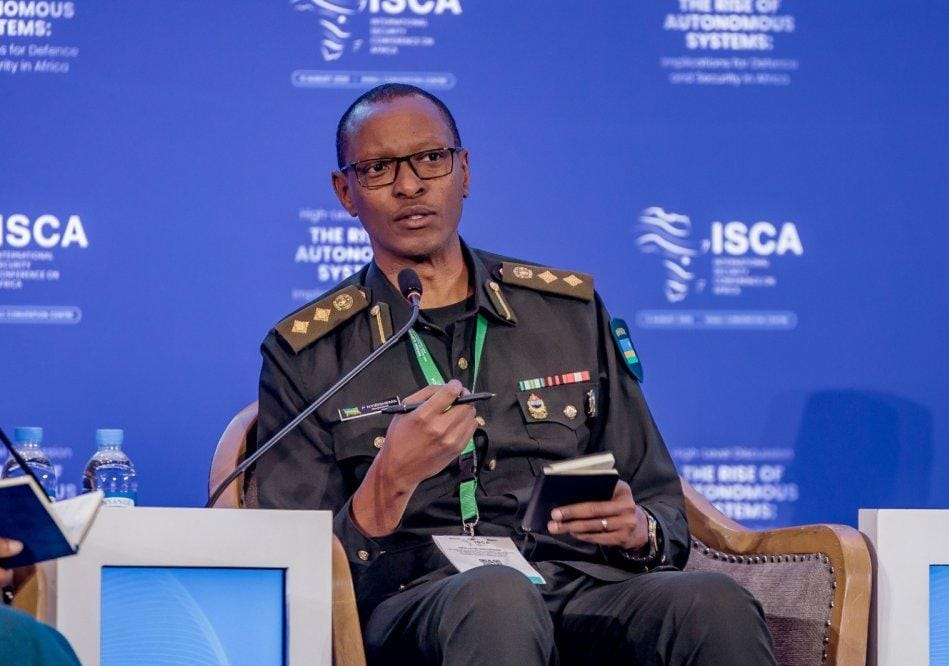
Director of Research and Development in the Rwanda Defence Force, Col Patrick Nyirishema, explained that in the past military strength was measured by the number of soldiers, weapons, and industries, but this has changed.
He said: “We are in an era where robots can see, analyze, and make decisions, reducing the role of humans.”
Col Nyirishema noted that Africa must decide whether its countries will invest in building citizens’ capacity to use such technology or whether institutions will reform their operations to integrate it.
New Demands for Military Recruitment and Training
He said autonomous technology has changed the nature of warfare, affecting how countries build their armies.
He said: “Recruitment, training, and preparation of soldiers are changing. When advanced technology is integrated into security institutions, fewer personnel are needed, but those few must be highly skilled. You need people to operate, build, and plan military operations based on this technology.”
Col Nyirishema said Rwanda continues to seek ways to keep pace with technological changes, and other African countries must also adapt their military preparation beyond acquiring expensive security systems, by focusing on everyday technological changes.
Mali’s Experience with Military Technology
Mali’s Minister of Foreign Affairs, Abdoulaye Diop, said that due to the vast size of their country, covering more than 1.2 million square kilometers, it was impossible to rely solely on soldiers to protect sovereignty, so they chose to invest in military technology.
He said: “Specifically in drone technology, looking at Mali, five years ago we had no drones in our arsenal. Today, hundreds of these devices are used by our security institutions. Mali’s drones are operated by trained local youth to address security challenges, and technology has become a major part of our security system.”