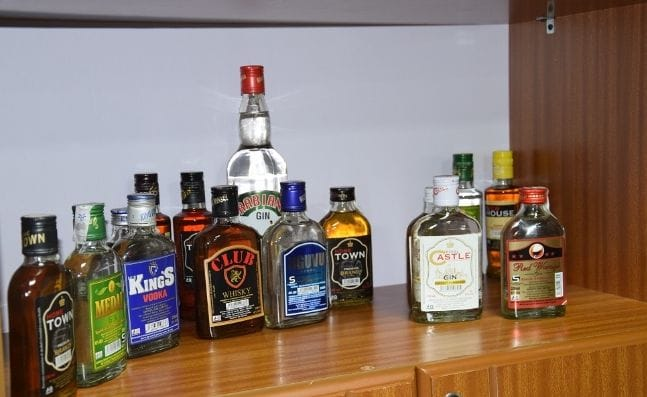































Within one week, the Rwanda Food and Drugs Authority (Rwanda FDA) closed 148 factories producing substandard alcoholic beverages, and the products they manufactured were removed from the market.

The common issue among all the closed factories was the use of substandard ethanol, which caused the alcoholic beverages they produced to become toxic, killing or seriously harming those who consumed them. This is why Rwandans have given such drinks names including “ibyuma.”
An assessment found that 50 people have died from consuming substandard alcoholic beverages since January 2026, while 100 others have gone blind. By July, 11,000 people across the country had been recorded as being addicted to these alcoholic beverages, making it difficult for them to quit.
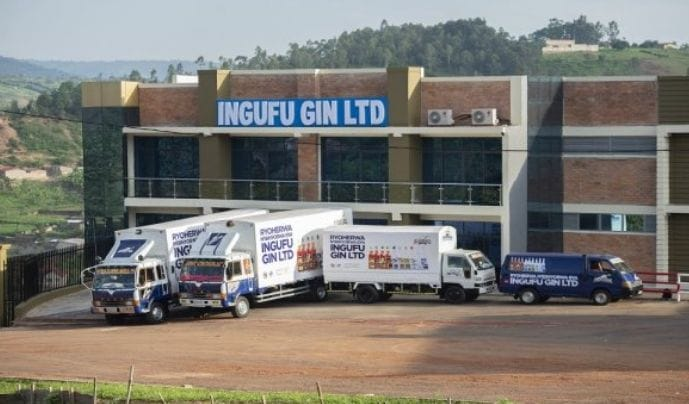
During a major crackdown on factories producing these beverages, including Ingufu Gin, NBG Group and African Buffalo, 80 people have so far been arrested across the country, including factory owners and employees, among them those responsible for quality control.
Poor Factory Management and Hygiene
On August 8, Rwanda Investigation Bureau (RIB) spokesperson Dr. Murangira Thierry said the factories were often poorly managed because they did not employ qualified professionals in production and processing.
“During inspections, some of the factories were found to have people working without the required qualifications. Someone would bring in family members as employees, claiming that they were taking care of his relatives, instead of employing people who had been trained for the job,” he said.
Dr. Murangira said that, under normal circumstances, bottles used for alcoholic beverages such as gin are intended for single use. However, the factories would collect bottles from different places and reuse them several times without paying adequate attention to their cleanliness.

“You cannot imagine a factory like the one called Ingufu cleaning bottles using a stick, water and a piece of cloth while lacking a proper machine designed to clean those bottles. You then have to ask yourself how other factories with even fewer resources are operating, especially when this particular factory appeared to be a model,” he said.
Improper Ethanol Storage and Contamination Risks
The RIB spokesperson explained that ethanol is subject to specific regulations because of the serious health risks it can pose, including death. However, the factories were found to have stored it in ways that violated regulations.
“Ethanol is a chemical substance that is subject to specific regulations because of the risks it can pose to human health, including death. What was found is that this ethanol was being stored in inappropriate conditions,” Dr. Murangira said.
He explained that when ethanol is improperly stored, particularly in places with high temperatures, its properties can change and it can become toxic, potentially causing death or other serious health effects.
“When ethanol is stored in a hot place, it can create risks such as burns or fire. If it is exposed to very high temperatures, its properties change. Once its properties change, it becomes toxic,” he said.
“This is a serious issue because it causes the original composition of the substance inside the container to be lost. Once its original composition changes, the chemical can produce other substances that may become toxic.”
Dr. Murangira said inspections of the tanks used by the factories to mix ethanol and water also found that some contained rust, which is known to pose cancer risks, further demonstrating the factories’ failure to maintain proper hygiene standards.
Factory Operating Without a Licence
The RIB spokesperson revealed that a company known as Kerry Taste and Nutrition Rwanda was supplying flavoring agents to the factories for use in alcoholic beverages, despite not having a licence to operate in the country.
“This company supplying the flavoring agents is known as Kerry Taste and Nutrition. It is the one supplying Ingufu Gin. Kerry Taste and Nutrition did not have any licence authorising it to operate,” he said.
“This means that we do not know whether the products it was producing met the required quality standards. We also do not know what the flavors were made of because even the products it supplied were not properly labelled.”
Dr. Murangira explained that when inspection authorities initially visited the premises of Kerry Taste and Nutrition to determine whether they met the required standards, they found no problems. However, after the inspection, the company moved its operations to another location that did not meet the required standards.
“This was a deliberate scheme to compromise the quality of the products being sold in order to make greater profits,” he said.
Suspects Face Multiple Charges
The Managing Director and owner of Ingufu Gin, Ntihanabayo Samuel, also known as Kazungu; Twahirwa Fulgence, who was responsible for quality control at the factory; and Katushabe Donias, who headed the production department, are among those arrested so far.
At Kerry Taste and Nutrition, those arrested include Oluwatosin Ajayi, who was responsible for operations; Kayihura Mudahogora Belinda, responsible for management and production; and Hamdun Alpha Peter, responsible for delivering products to customers.
In general, the suspects are being investigated for offences including supplying a person with a substance capable of causing death or serious harm to their health, forging or using forged documents, embezzlement and resisting lawful authority.
They are being held at various RIB stations, including Ndera, Remera, Kicukiro and Nyamirambo, as their case files are being prepared for submission to the prosecution.