





























More than 258,000 learners across Rwanda are sitting this year’s national examinations, marking the completion of Ordinary Level (O-Level), Advanced Level (A-Level), and Technical and Vocational Education and Training (TVET). Earlier, hundreds of thousands of Primary Six pupils also completed the Primary Leaving Examinations (PLE), bringing together one of the country’s largest annual education exercises.

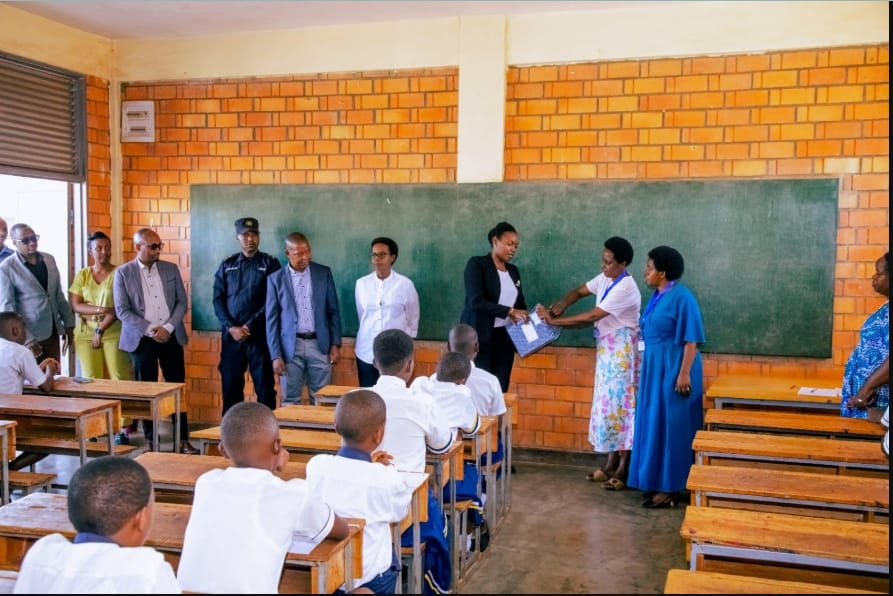
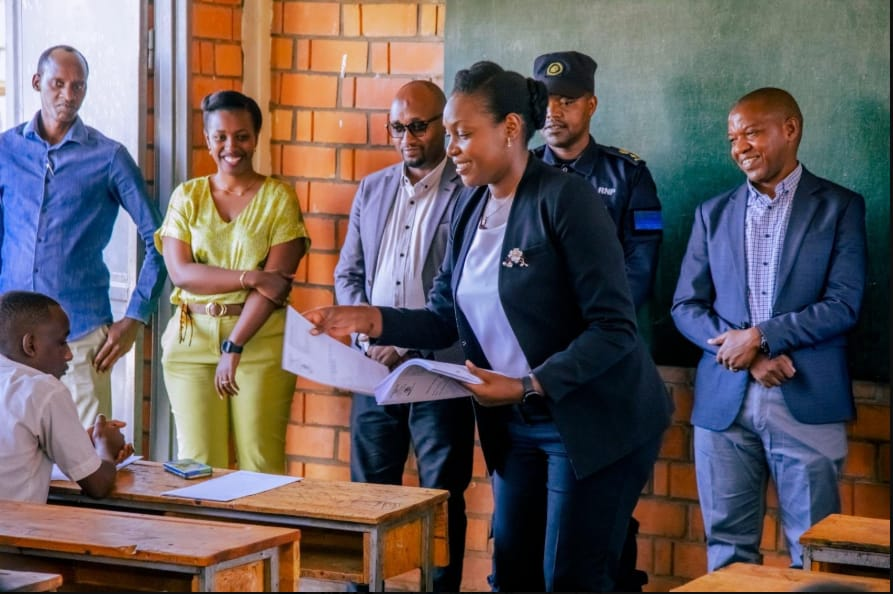
As the examinations officially begin, education leaders including the Minister of Education, the Minister of State, and officials from the National Examination and School Inspection Authority (NESA) launch the process by opening the first sealed examination envelopes at designated centers
Across the country, it is common to see students making their way to examination centres, ready to sit for the tests that will determine the next stage of their education. Yet behind these examinations lies a complex and highly confidential operation involving months of preparation, strict security protocols, and hundreds of professionals working behind closed doors.
Preparing the Examination Questions
The process begins with carefully selected teachers and subject specialists who develop examination questions based strictly on Rwanda’s national curriculum. The questions are stored in a secure question bank before undergoing multiple rounds of review by independent experts to ensure they meet quality standards, accuracy, fairness, and curriculum requirements.
Everyone involved in drafting and reviewing the examinations is bound by strict confidentiality rules to ensure that no information is leaked before the examinations are administered.
ALSO READ: https://agaciropress.com/rwandan-peacekeepers-provide-free-medical-care-to-prisoners-in-car/
Printing Under Maximum Security
Once the examination papers have been finalized, they move to one of the most sensitive stages of the process printing.
Printing takes place inside highly secured facilities under the supervision of security agencies. Staff involved in this exercise remain isolated throughout the entire printing and packaging period, which usually begins in May and continues through June and part of July.
Before entering the secure facility, all personnel surrender mobile phones, computers, smart devices, and any other communication equipment. During the entire operation, they work, eat, and sleep at the same guarded location, with no contact allowed with the outside world.
If an emergency requires someone to leave temporarily, they are escorted by security officers, who ensure that confidentiality is maintained before returning the individual to the secure facility. Staff members are only reunited with their families after the final national examination has been completed.
ALSO READ: https://agaciropress.com/rayon-sports-unveils-2026-27-squad-at-kigali-pele-stadium/
Packaging and Nationwide Distribution
After printing, examination papers are packaged into specially sealed envelopes designed to reveal any attempt at tampering before the scheduled examination time.
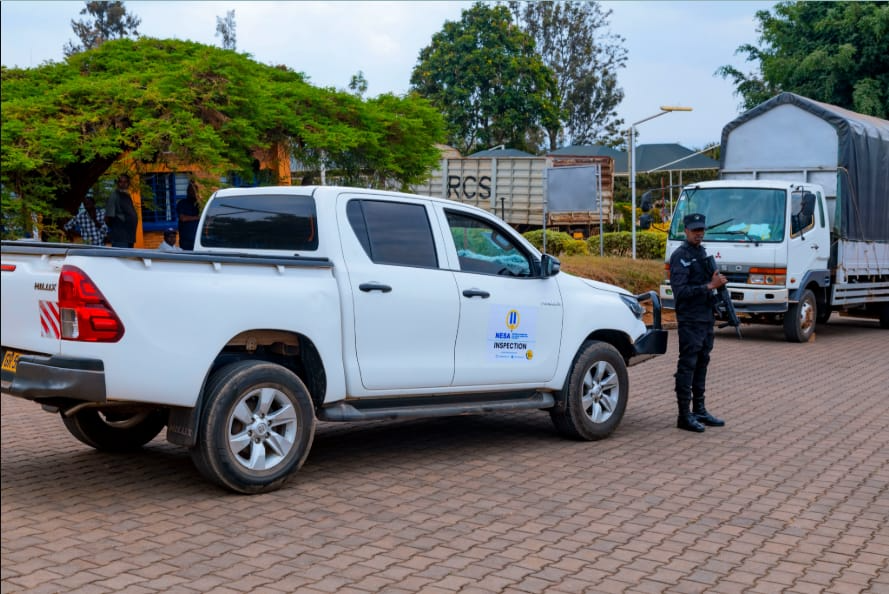
The sealed papers are then transported across the country using designated vehicles accompanied by security personnel. The examinations move from NESA headquarters to district authorities before finally reaching individual examination centres.
Storage in Secure Strong Rooms
Upon arrival at schools, the examinations are kept inside specially designated secure storage facilities known as Strong Rooms.
Access to these rooms is tightly controlled through a system requiring multiple key holders. The rooms can only be opened in the presence of authorized officials, including examination centre managers, security personnel, and other designated representatives. Every action involving the examination papers is documented to maintain accountability.
ALSO READ: https://agaciropress.com/ebola-outbreak-worsens-in-dr-congo-as-cases-continue-to-rise/
Strict Supervision During Examinations
During the examinations, supervisors and invigilators closely monitor candidates to ensure compliance with NESA regulations.
Students are prohibited from bringing mobile phones, smart devices, or any unauthorized materials into examination rooms. Anyone found cheating or violating examination rules faces penalties in accordance with national examination regulations.
Secure Marking Process
After each examination session, completed answer scripts are immediately sealed and transported back through district authorities to designated marking centres.
The papers remain under strict security throughout transportation, storage, and marking until the entire correction process is completed and results are prepared.
These rigorous procedures are designed to protect the integrity, fairness, and credibility of Rwanda’s national examinations, ensuring that every learner is assessed under equal conditions and that examination results genuinely reflect each student’s performance.