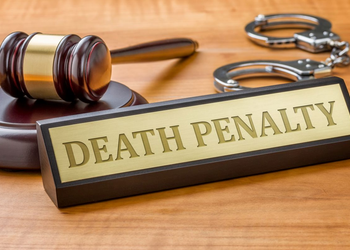
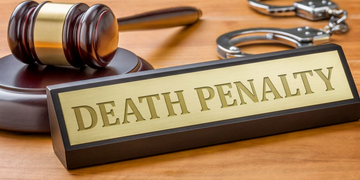























Burkina Faso’s legislature has approved a revised Penal Code reinstating the death penalty for several serious offences, including terrorism, espionage and treason, reversing the abolition of capital punishment for ordinary crimes in 2018.

According to Reuters, all 71 lawmakers present unanimously approved the revised code on October 20, 2026, following its presentation by Justice and Human Rights Minister Edasso Rodrigue Bayala on behalf of the government. The decision marks a significant change in the country’s criminal justice system, particularly in the penalties prescribed for offences considered among the most serious.
Crimes That May Attract the Death Penalty
According to Burkina Faso’s state-run media, the revised Penal Code provides for capital punishment for terrorism, espionage, high treason, the killing of one’s parent, and the importation of expired or prohibited products when they result in death. The government has presented the reform as part of its efforts to strengthen public security, protect citizens and national values, and combat serious crimes.
The decision comes as Burkina Faso continues to face attacks by armed groups linked to al-Qaeda and the Islamic State. The violence has killed thousands of people and displaced millions across the country, according to Reuters. Burkina Faso is governed by a military administration led by Captain Ibrahim Traoré, who came to power following a coup in September 2022.
ALSO READ: https://agaciropress.com/kagame-addresses-high-internet-costs-in-rwanda/
Human Rights Concerns Over the Decision
The reinstatement of capital punishment has drawn criticism from human rights organisations, which warn that the measure could increase the risk of abuses and undermine the protection of fundamental rights.
Human Rights Watch said on October 21, 2026, that restoring the death penalty could be used to suppress critics of the military government. The organisation also raised concerns about weaknesses in the justice system and the risk of unfair trials, warning that wrongful convictions could have irreversible consequences.
The organisation has argued that reinstating the death penalty will not resolve the country’s security crisis and could further undermine fair-trial protections.
Amnesty International had also urged Burkina Faso’s authorities not to restore capital punishment. In a statement published on December 5, 2025, the organisation argued that the death penalty violates the right to life, carries the risk of executing innocent people and has no proven unique deterrent effect.
The differing positions highlight the debate between the government’s stated security objectives and concerns raised by rights groups about justice, accountability and the protection of human rights.
Burkina Faso’s History With the Death Penalty
Burkina Faso abolished the death penalty for ordinary crimes in 2018. However, the country had not carried out a known judicial execution for decades before the abolition, with the last known execution reported in 1988.
The revised Penal Code therefore represents a major change in the country’s legal framework after years without known judicial executions. The parliamentary approval of the revised code does not, by itself, mean that executions have taken place. Any implementation will depend on the applicable legal procedures and the status of the revised legislation.