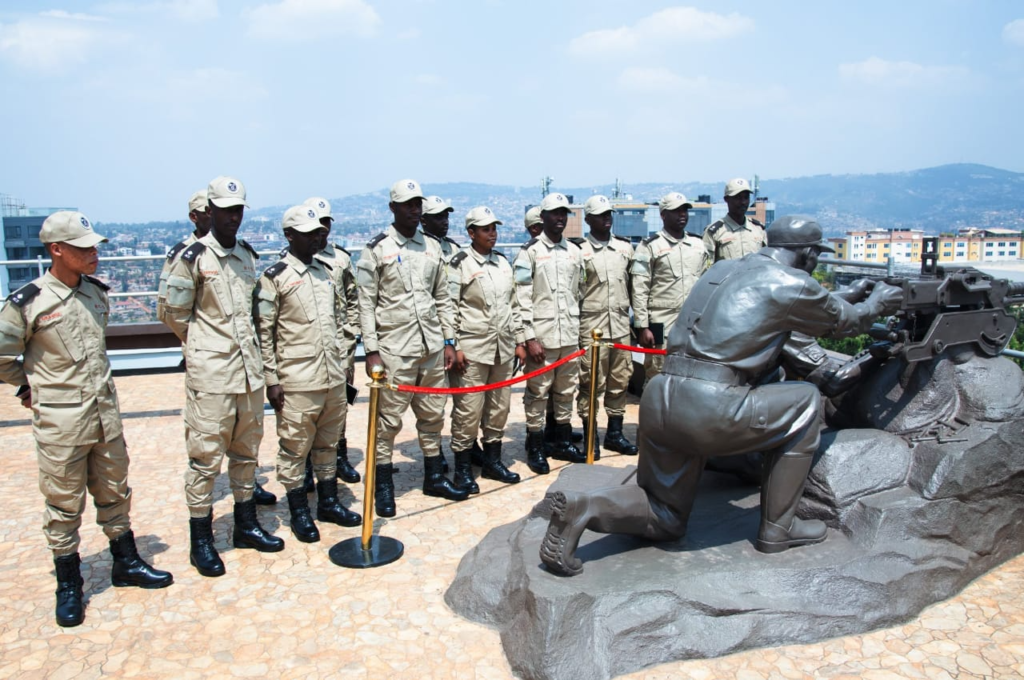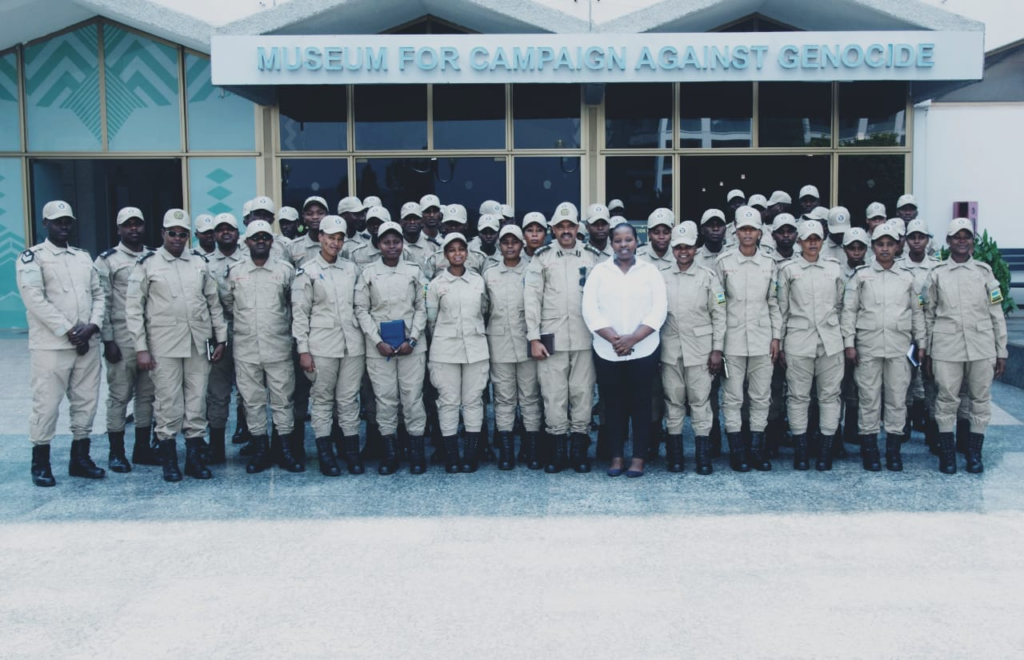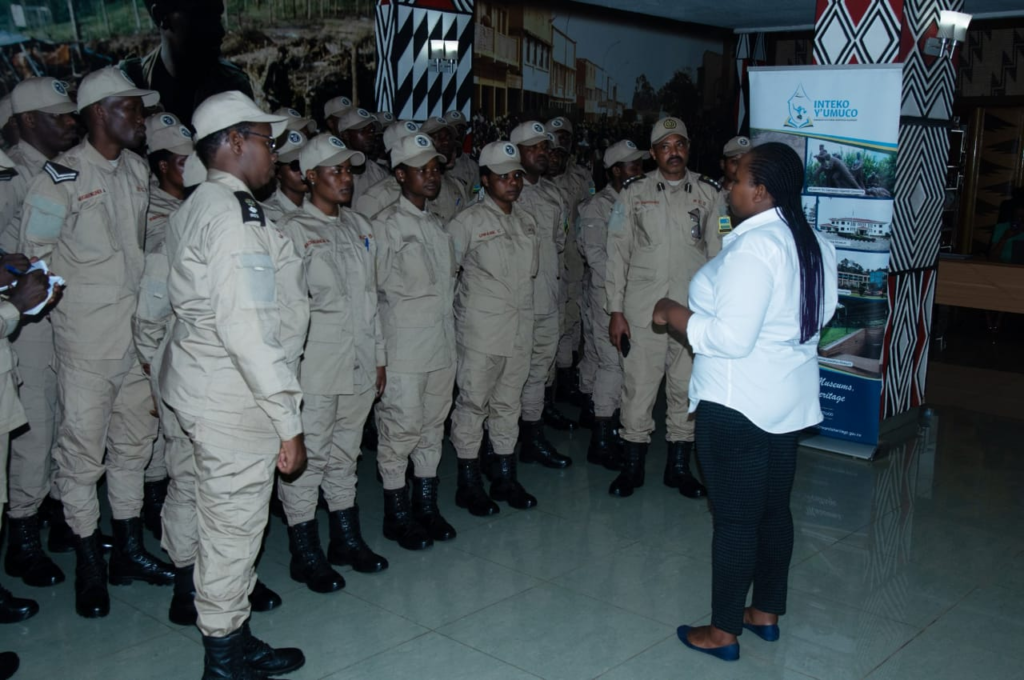

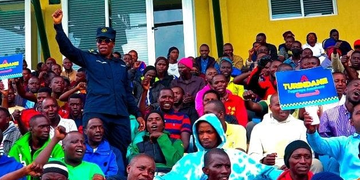




















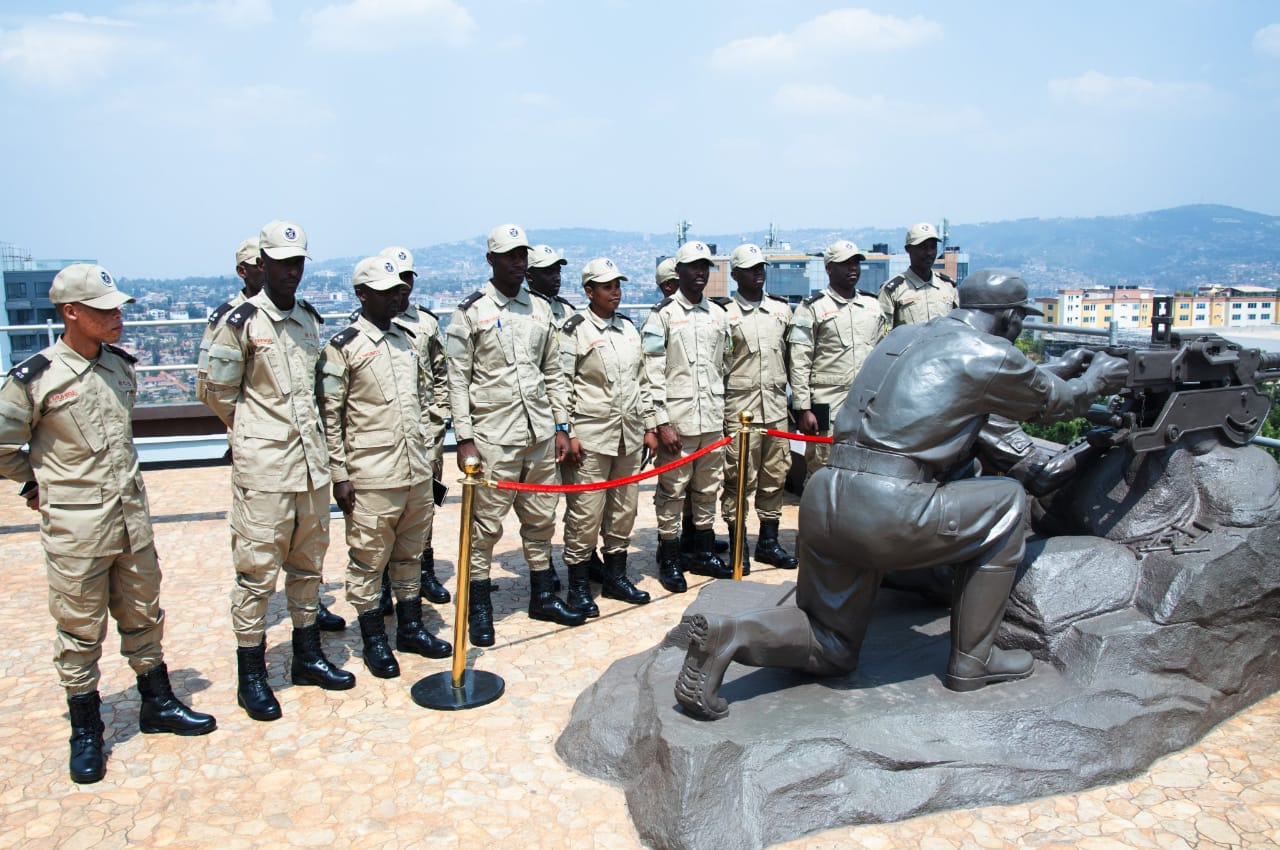
Staff from the Rwanda Correctional Service (RCS) visited the Museum of the History of the Liberation Struggle, where they learned about the campaign that brought an end to the 1994 Genocide against the Tutsi and the historical events that preceded it.

ALSO READ: https://agaciropress.com/ebola-outbreak-worsens-in-dr-congo-as-cases-continue-to-rise/
Young Employees Learn About Rwanda’s Liberation History
The study visit mainly involved young RCS employees who were born during or after 1994. For many of them, the visit provided an opportunity to gain a deeper understanding of Rwanda’s history, particularly the liberation struggle led by the Rwandan Patriotic Army (RPA), which stopped the genocide while some of them had not yet been born and others were still infants.
During the visit, participants were taught about the challenges faced by RPA soldiers as they fought to end the genocide in April 1994, when the former government of President Juvénal Habyarimana was carrying out the extermination of Tutsi across the country.
Museum Explains the Origins of the Genocide
The museum also provided historical lessons on the events that led to the 1994 Genocide against the Tutsi. Participants learned that preparations for the genocide began as early as 1959, when Tutsi were killed, persecuted, and forced into exile. Many of those who fled later regrouped, launched the liberation struggle, and eventually stopped the genocide.
The staff also learned about the role played by the governments of President Grégoire Kayibanda and President Juvénal Habyarimana, as well as the influence of colonial rule, in the persecution and discrimination of Tutsi in education, employment, and other aspects of public life.
Participants Say the Visit Strengthened Their Understanding
Many participants said the visit gave them a clearer understanding of Rwanda’s history and would help them in carrying out their responsibilities, particularly when educating inmates who still hold genocide ideology.
Warder Iradukunda Noella said the visit helped her appreciate the resilience and sacrifice of the RPA soldiers.
Warder Muhawenimana Gaudence said the visit strengthened his understanding of the responsibility young people have in preventing genocide ideology after witnessing the historical events that led to the genocide.
CPL Mugabonkundi Aimable said the lessons learned would inspire young people to continue building the country while honoring those who sacrificed their lives to liberate Rwanda. he said: “As a young person and an RCS employee, I learned valuable lessons about the hardships endured by the RPA soldiers and how the genocide was prepared from 1959. These lessons will help me safeguard the achievements that were attained through great sacrifice.”
Assistant Inspector Valens Kabandana, who was born after the genocide, said the visit broadened his understanding of Rwanda’s history and would motivate him to serve with dedication while protecting the achievements secured through the liberation struggle.
RCS Urges Staff to Uphold Patriotism
RCS Spokesperson Chief Superintendent Hillary Sengabo, who led the delegation, urged participants to preserve the lessons they learned during the visit and to remain guided by patriotism in their daily work.
He encouraged staff to reject any form of divisionism and to continue promoting national unity while serving the country and supporting efforts to prevent the spread of genocide ideology.