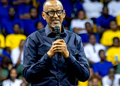
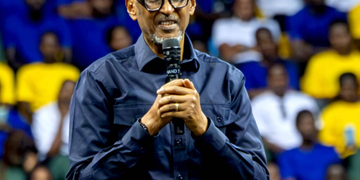
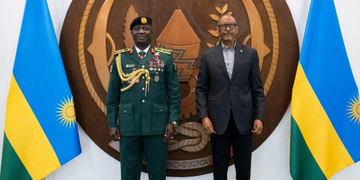
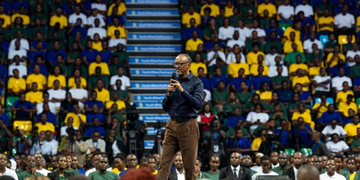

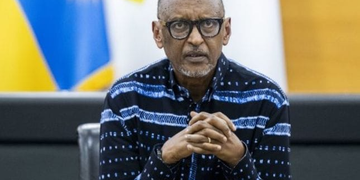






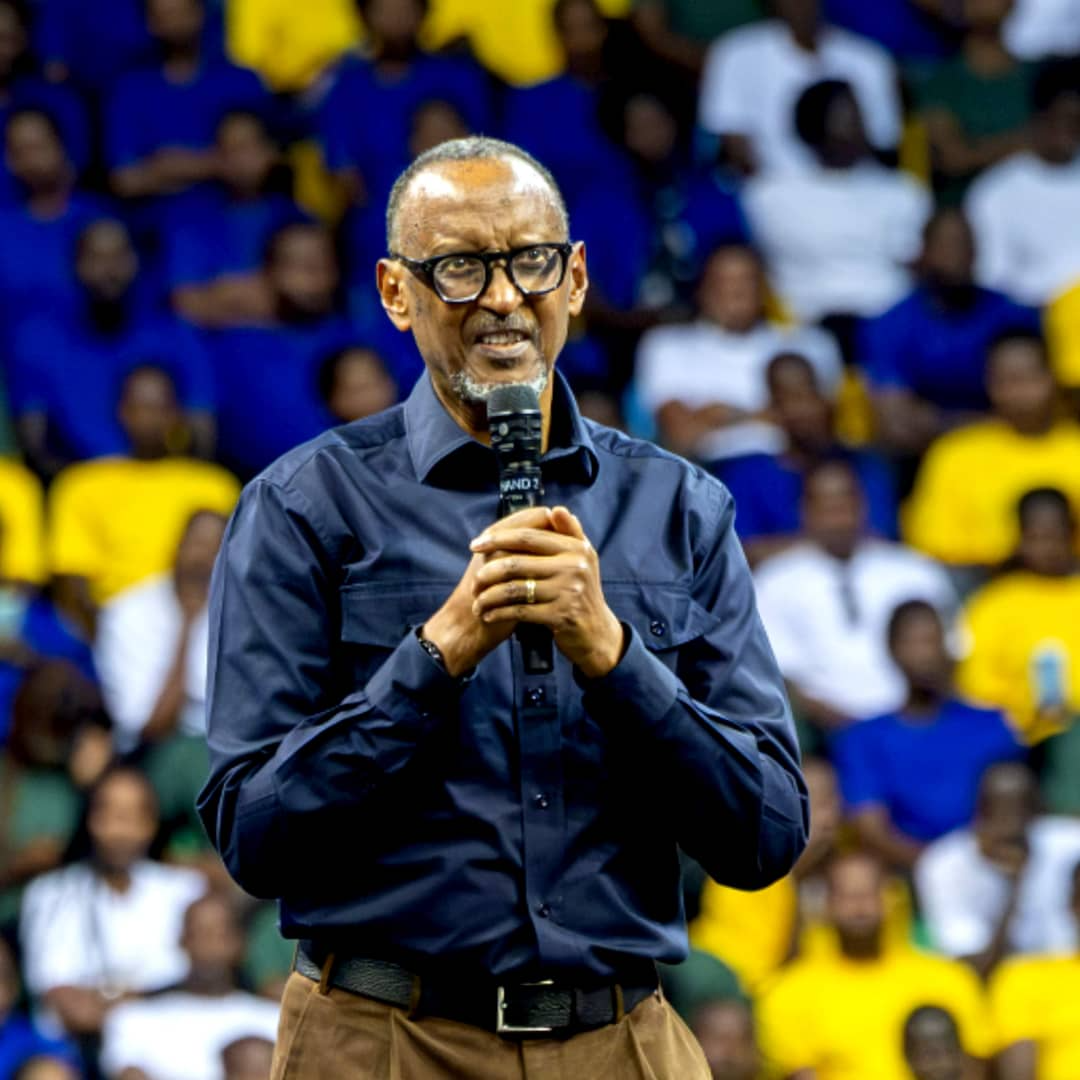
Rwandans marked President Paul Kagame’s 69th birthday on October 23, 2026, with some citizens expressing appreciation for what they described as his contributions to national unity, security, economic development and self-reliance.

In interviews, several people shared their views on the President’s leadership, recalling how his personal history and the country’s experience have shaped their perceptions of Rwanda’s development.
President Kagame’s Early Life
President Paul Kagame was born on October 23, 1957, as the youngest of six children of Deogratias Rutagambwa Rugambwa and Asteria Bisinda Rutagambwa. His family had royal connections. On his father’s side, he came from an extended family associated with providing queens, while his mother was a cousin of Queen Rosalia Gicanda.
Kagame spent his early childhood in Rwanda before his family fled to Uganda amid violence and persecution targeting Tutsis in the period before independence. He subsequently grew up as a refugee, an experience that preceded his involvement in the struggle led by the Rwanda Patriotic Front (RPF).
In 1994, the RPF halted the Genocide against the Tutsi. Kagame later became President of Rwanda, leading a government that has pursued policies in areas including national security, education, healthcare, infrastructure and economic development.

Rwanda’s Economy Continues to Grow
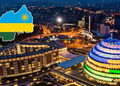
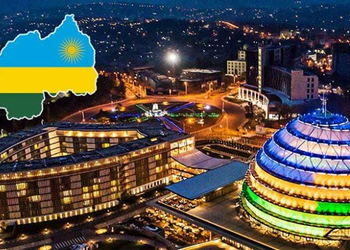
Economic development is among the changes frequently cited by people reflecting on Rwanda’s progress under Kagame’s leadership. According to the National Institute of Statistics of Rwanda, the country’s gross domestic product (GDP) at current market prices reached FRW 25,833 billion in the 2025/26 fiscal year, up from FRW 21,513 billion in 2024/25.
These figures represent an increase in the value of economic output measured at current prices. GDP growth, however, is only one measure of national progress and does not by itself establish how economic gains are distributed among citizens. The article also cites World Bank figures placing Rwanda’s gross national income per capita at $1,123 in 2025. This figure should be checked against the relevant World Bank dataset before publication.
Many People Are Satisfied with His Leadership
Some of the citizens interviewed said they associated Kagame’s leadership with national unity and a stronger sense of belonging. Nticirwinzira Salomon said he regarded the President as a father of the nation who had helped restore unity among Rwandans.
He said: “He taught Rwandans the principle of Ndi Umunyarwanda (I Am Rwandan). He moved us beyond ethnic divisions, and every Rwandan now sees themselves as Rwandan. Wherever you are, you feel valued. This principle has already become deeply rooted in the minds of citizens.”
Niyonkuru Jimmy, a Burundian national living in Rwanda, also expressed appreciation for the country’s reception of people seeking refuge and opportunities.
He said: “I am very grateful to him for welcoming us and giving us refuge. We feel comfortable here, and we have also found jobs. Today, we feel as though we are Rwandans and as though we are at home.” Their comments highlighted how some residents view Rwanda’s security and the opportunities available to people living in the country.
Citizens Emphasise Hard Work and Self-Reliance
Several interviewees also pointed to self-reliance and personal responsibility as lessons they associated with Kagame’s public messages. Maniraguha Jean Baptiste recalled a saying attributed to the President: “Uwigize agatebo ayora ivu,” meaning that a person who makes themselves a basket can collect ashes. The saying emphasises the importance of taking initiative and working to improve one’s circumstances.
He said: “Those words changed my life. They helped me overcome laziness and start working. I would tell him that what he has achieved so far is very good, and I wish we could continue having him as our leader, if possible.” Umuhoza Marie Grace similarly said that messages encouraging citizens to work hard and become self-reliant had influenced her outlook.
She said: “We have often heard his advice encouraging us to work hard and become self-reliant rather than waiting for foreign assistance from other countries. His words have given me the confidence to work hard so that I, too, can achieve something meaningful in life.”
Women and Young People Reflect on Opportunities
Other interviewees highlighted what they viewed as progress in opportunities for women and young people. Habimana Jean de la Croix said he believed the President had encouraged equal opportunities for young people. he said: “He does not choose one child and leave another behind. He treats all of us equally,” .
Kayitesi Liziqi focused on women’s economic participation, saying she believed women had gained greater opportunities to work, earn income and invest in their futures.
She said: “He as greatly advanced the position of women because we can work and earn our own money, buy cars, and build whatever we are capable of building, thanks to the opportunities and support he has given us. He has supported us considerably.”
Ngoga Thierry also expressed appreciation for what he described as Kagame’s role in Rwanda’s recovery. He said: “He took the lead in bringing this country out of darkness. If he had not taken the initiative, we would not be where we are today. I thank him sincerely, from the bottom of my heart.”
ALSO READ: https://agaciropress.com/burkina-faso-reinstates-the-death-penalty-eight-years-after-abolishing-it/
Interviewees Describe Kagame as a Role Model
Other citizens said they viewed the President as a role model because of the values they associated with his leadership. Uwumugisha Hosiana said she had learned the importance of loving her country, respecting the work being done and protecting the achievements made.
Musengimana Celestin similarly said he believed Rwanda’s progress was linked to leadership that opposed injustice and promoted opportunities for citizens to improve their lives. Uwamahoro Chantal highlighted the role she attributed to Kagame and the RPF Inkotanyi in the country’s history.
She said: “He has carried out great responsibilities and taught all Rwandans that every Rwandan should always keep Rwanda in their heart. This is the legacy we must preserve. “I wish him a happy birthday. On the day he was born, Rwanda gave birth to a hero for all time, someone who will always be remembered by Rwanda and Africa.”
As President Kagame marked his 69th birthday, the views shared by these interviewees reflected their personal appreciation of his leadership, particularly in relation to unity, security, self-reliance and development. Their comments represent the perspectives of the individuals interviewed and form part of a wider public discussion about Rwanda’s progress and future.