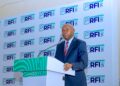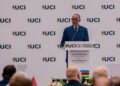





























Rwanda has ranked second globally for long-term vision and 11th for leadership and foresight in the 2026 Chandler Good Government Index (CGGI), an international assessment of government capabilities and effectiveness. The findings were presented in Kigali on October 22, 2026, during an event organized by the Rwanda Governance Board (RGB) to present governance research results, including the internationally recognized CGGI.

The 2026 index assesses 133 countries representing 94% of the world’s population. It evaluates governance across seven pillars and 35 indicators, providing a framework for comparing government performance and identifying areas for improvement Overall, Rwanda ranked 62nd globally and second in Africa, behind Mauritius, which placed 55th. Rwanda ranked ahead of Botswana at 70th, Morocco at 79th, Tanzania at 80th and South Africa at 85th.
Rwanda’s Performance in Long-Term Planning and Resilience
Beyond its overall position, Rwanda recorded strong results in specific governance indicators. The country ranked 11th globally in Leadership and Foresight, making it the highest-ranked African country in this category.
Rwanda also ranked second worldwide for Long-Term Vision and third for Adaptability, which measures the ability to respond to changing circumstances and emerging challenges. Its performance in Adaptability placed it ahead of countries such as the United States and Switzerland in this indicator.
The index assesses governance through seven pillars: Leadership and Foresight, Robust Laws and Policies, Strong Institutions, Financial Stewardship, Attractive Marketplace, Global Influence and Reputation, and Helping People Rise.
Governance Research to Support Better Decision-Making
Dinesh Naidu, Chief Knowledge Officer at Chandler Governance Group, said the findings demonstrate that national wealth alone does not determine government effectiveness.
he said: “Rwanda demonstrates that the level of national resources is not the sole determinant of effective government performance. Its scores in long-term vision and adaptability to change are among the strongest in the world.” Naidu added that combining country-specific data with international indicators helps public institutions identify areas requiring improvement and prioritize initiatives that benefit citizens.
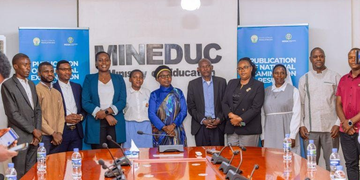
The Deputy Chief Executive Officer of the Rwanda Governance Board, Dr Félicien Usengumukiza, said Rwanda and Chandler Governance Group have a cooperation agreement focused on governance research. He explained that aligning the indicators used by the two institutions enables them to compare findings, exchange ideas and assess their respective performance.
he said: “The fact that we have common areas of assessment helps us determine whether we are on the right track, or whether they are on the right track, in terms of exchanging ideas and complementing one another.” RGB Chief Executive Officer Dr Doris Uwicyeza Picard also said combining the board’s research with CGGI findings supports evidence-based decision-making.
She noted that the approach helps improve performance, monitor the implementation of programmes and strengthen accountability among institutions and officials responsible for delivering them. The findings provide Rwanda with international benchmarks for assessing its governance performance, identifying areas that require further improvement and strengthening efforts to ensure government programmes deliver better outcomes for citizens