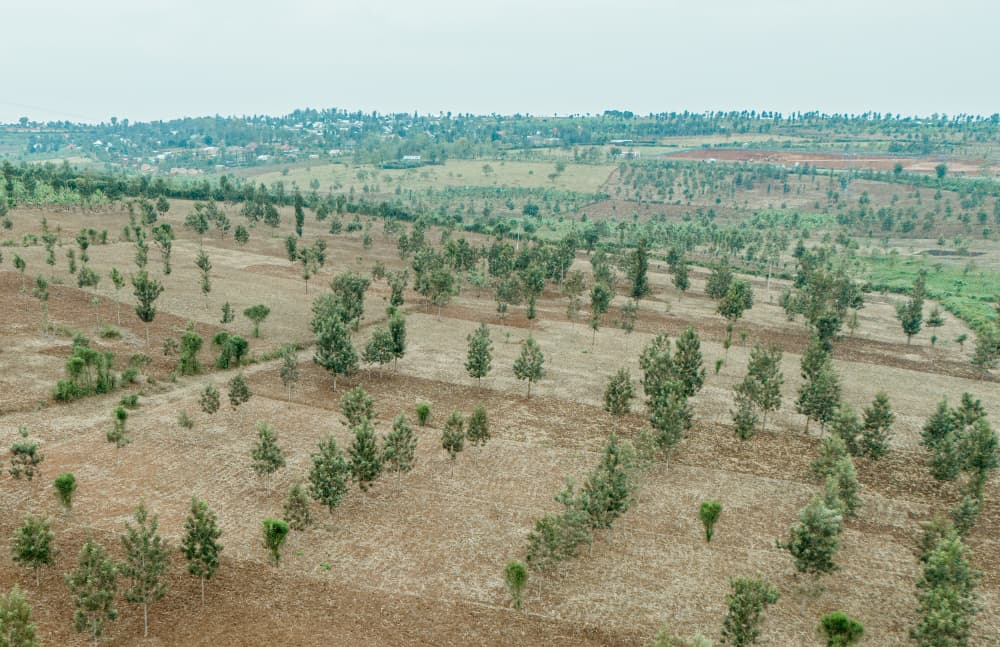


















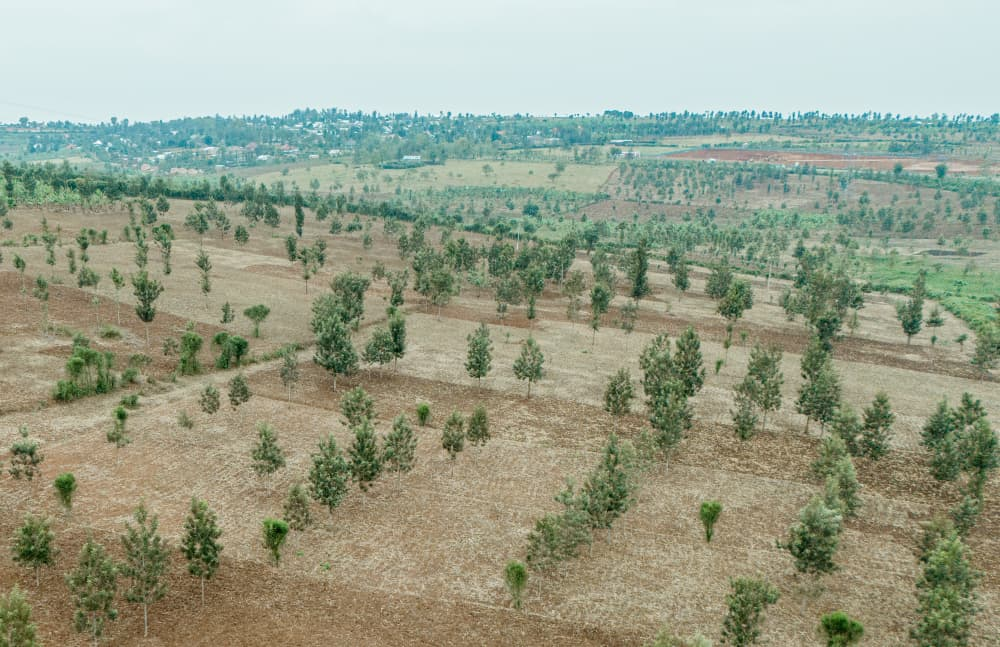
In Rwanda’s Eastern Province, tree planting activities along rivers and lake shores have reached 100% completion, while the agroforestry program integrating trees with crops has achieved 72% of its target.

ALSO READ: Youth Introduced to Capital Market as a Path to Self-Developmen
These initiatives are part of broader environmental conservation efforts being implemented through projects such as COMBIO and TREPA. The programs have played a significant role in reducing the effects of extreme heat, a challenge that frequently affects the Eastern Province.
Stakeholders Review Achievements and Challenges
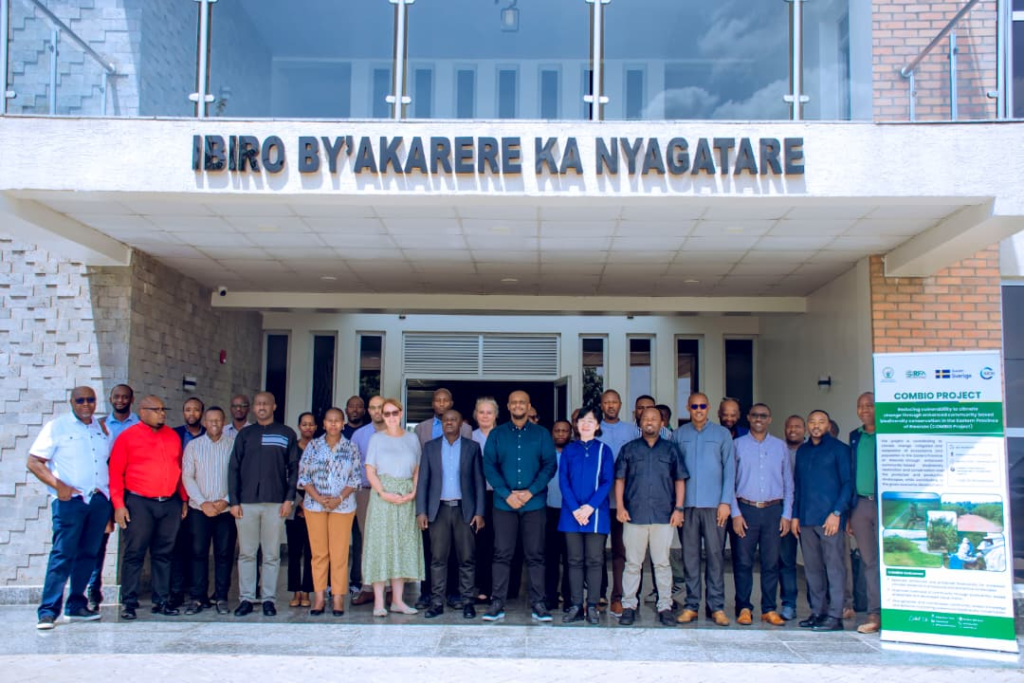
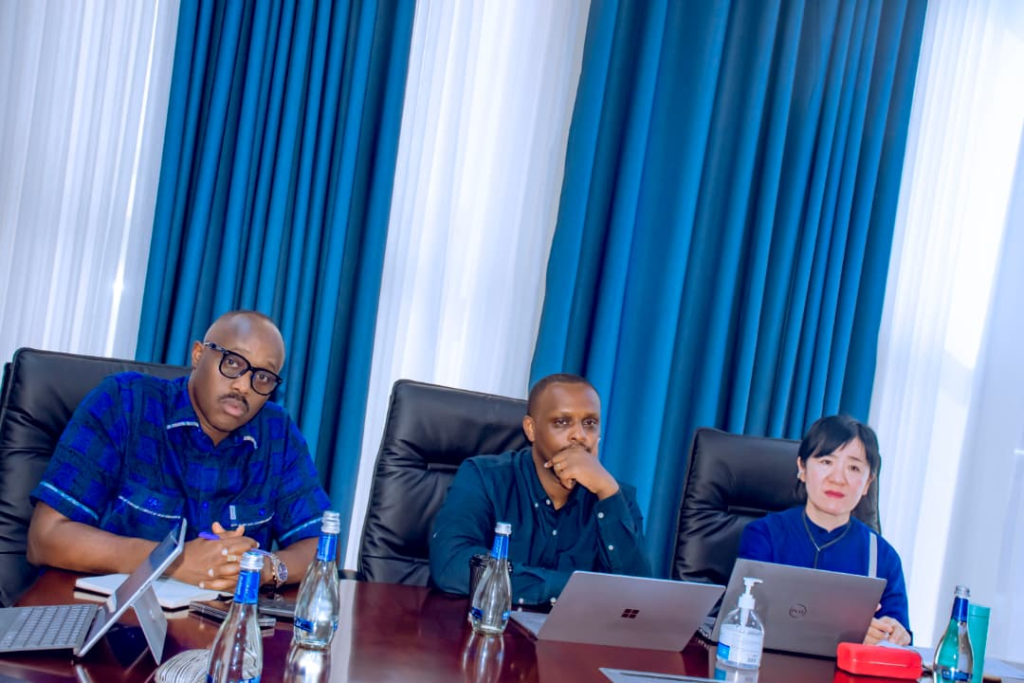
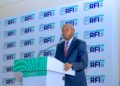
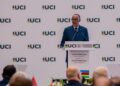
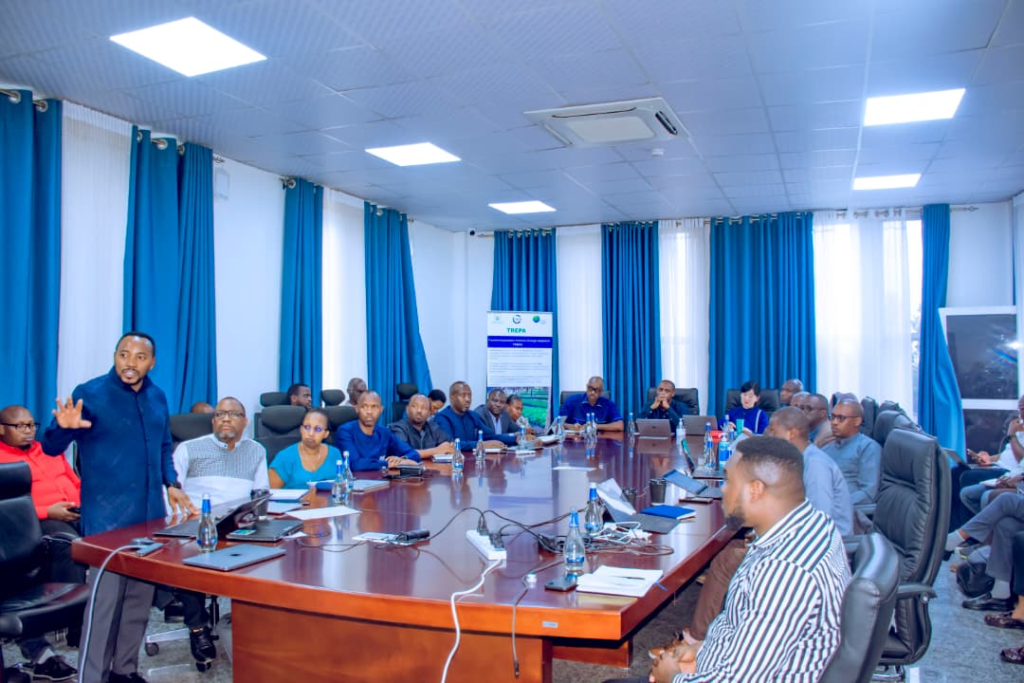
The progress was highlighted during a meeting that brought together the Ministry of Environment, the Rwanda Forestry Authority (RFA), development partners, and various stakeholders. The purpose was to assess the status of tree planting and ecosystem restoration activities while identifying solutions to challenges that could hinder implementation.
The meeting and field visits took place from June 8 to June 10, 2026, covering activities in Gatsibo District and Nyagatare District.
Nyagatare Records Significant Reforestation Achievements
In Nyagatare District alone, trees have been planted on more than 62,000 hectares, including forests, agroforestry systems, and grazing lands. These efforts aim to combat climate change, protect biodiversity, and improve community livelihoods.
Since 2012, the district has established forests on more than 42,000 hectares. Additionally, over 17,000 hectares of agroforestry trees have been planted on farmers’ land, while more than 4,000 hectares of grazing land have been restored with indigenous tree species such as Miharata and Imirama.
These activities support Rwanda’s Second National Strategy for Transformation (NST2), under which the Government of Rwanda has committed to expanding forest cover and strengthening environmental protection nationwide. Currently, forests cover 30.4% of the country’s land area, representing more than 724,000 hectares.
COMBIO Project Restores Ecosystems and Supports Communities
Launched in 2022, the COMBIO project operates across all seven districts of the Eastern Province. Its primary goal is to conserve biodiversity while helping communities adapt to climate change.
Key activities include planting trees along roads, lakes, and rivers, promoting agroforestry, rehabilitating forests, and implementing soil conservation measures.
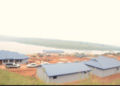
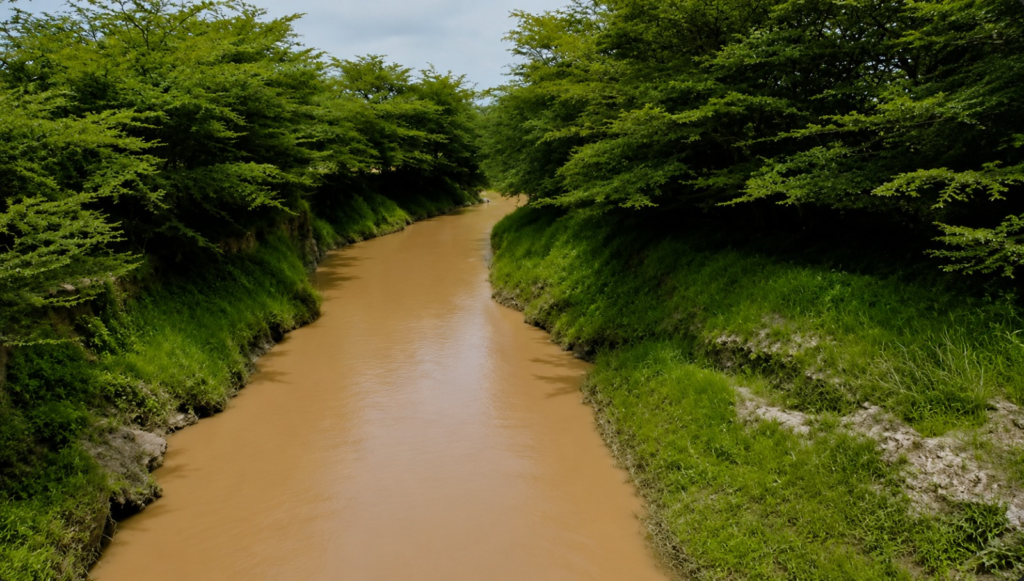
One notable success has been along the Muvumba River in Nyagatare District. Previously known for causing floods that damaged farmland and crops, the river is now surrounded by indigenous trees such as Imikinga and Miharata. Residents report that these interventions have produced visible environmental improvements.
Residents Report Improved Livelihoods and Living Conditions
Local residents interviewed by AGACIRO PRESS said the tree planting initiatives have significantly improved their lives. They explained that areas once resembling semi-desert landscapes are now receiving more rainfall, creating employment opportunities, and reducing the impact of intense heat.
Jean Bosco Byiringiro, a resident of Rukomo Sector in Nyagatare District, he said: “Working with the COMBIO project has helped me greatly. I have been able to earn money to pay school fees for my children, buy pigs, and the trees we planted protect us from the sun while providing cleaner air.”
Yves Nyandwi, a resident of Rwempasha Sector who leads a group of about 50 community members involved in roadside tree planting activities, noted that the project has helped many families escape poverty.
He said: “The project provided us with employment and supported us in planting trees on our own land. The income we earned helped improve our households, and I personally managed to renovate my home. In addition, the trees have reduced temperatures and contributed to increased rainfall.”
RFA Calls for Continued Protection of Trees
The Director General of the Rwanda Forestry Authority, Dr. Concorde Nsengumuremyi, said the Eastern Province has historically been one of the regions most affected by drought and extreme heat. This prompted authorities to prioritize tree planting efforts and the distribution of energy-efficient cookstoves that reduce firewood consumption and air pollution.
He said: “We focused our efforts on this province because of the challenges caused by high temperatures and low rainfall,” he said. “We planted indigenous trees and, together with TREPA, distributed improved cookstoves to reduce pressure on forests. We encourage citizens to continue protecting these trees because they play a vital role in environmental conservation and climate change adaptation.”
The COMBIO project is expected to cost more than RWF 14 billion by its completion and has already created employment opportunities for over 10,000 people.