




















The Democratic Republic of Congo is entering a pivotal moment in its political trajectory. Recent legislative developments suggest that President Felix Tshisekedi could remain in power well beyond his constitutionally mandated two terms, sparking debate among supporters and opposition groups alike.

ALSO READ: Is Iran Walking a Dangerous Path?
Parliamentary Approval of Referendum Law
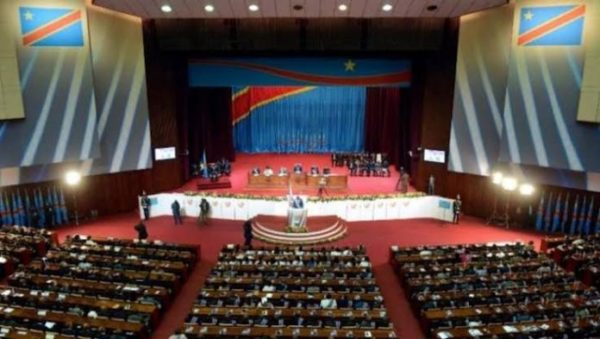
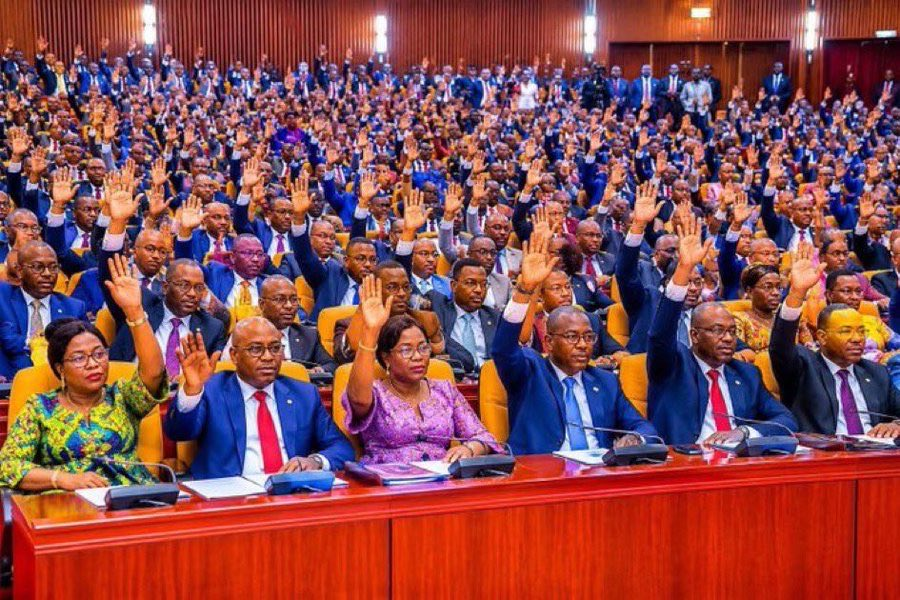
Members of Parliament in the Democratic Republic of Congo have passed a law authorizing the holding of a national referendum, which was immediately forwarded to the Senate for approval.
Details of the June 9 Vote
The vote in the lower house took place on June 9, 2026. The bill had first been reviewed by a parliamentary commission before being adopted by the plenary session by majority vote.
ALSO READ: Fighting Denial: ULK Students Urged to Counter Genocide Ideology via Social Media
The law provides the legal framework for organising referendums in the country, assigning responsibilities to the Independent National Electoral Commission (CENI), ensuring equal access to media during campaigns, and establishing transparent procedures for counting and announcing results as well as resolving disputes.
Commission’s Justification and Analysts’ Concerns
The commission that examined the bill argued that it was necessary to fill a gap in the legal system, particularly concerning referendums. However, analysts believe this move is a strategy by President Felix Tshisekedi to extend his stay in power, since he is currently serving his second and final term allowed under the constitution.
ALSO READ: NGOMA: Growing Avocados Transforms Farmers’ Lives
Opposition to Constitutional Reform
In recent months, discussions about constitutional reform have surfaced, though opposition parties rejected the idea. If the Senate also approves the bill, it will be sent to the President for signature, after which it will take effect.
Tshisekedi’s Development Ambitions
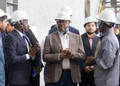
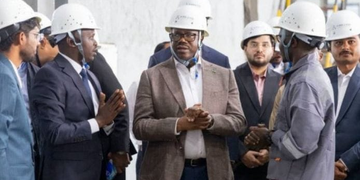
During a national infrastructure and public works conference in Kinshasa on April 8, 2026, Tshisekedi announced plans to build disaster‑resistant infrastructure with support from the World Bank. He also declared his ambition to transform the DRC into a developed country capable of competing at the continental level by 2034, a timeline that implies he expects to remain in office.
Presidential Vision for 2034
He stated: “My goal is to place the DRC at the forefront by 2034, making it a strong, advanced nation capable of competing across Africa. We have a plan to turn our global position into a major advantage.”
Party Support vs. Opposition Resistance
Members of his party, UDPS, argue that revising the constitution is legitimate, noting that previous leaders also did so. They claim Tshisekedi’s mission is not limited to two terms but to solving the country’s problems, and that he should leave office only once that mission is complete. Opposition groups, however, insist he must step down by 2028.