

























Rwanda’s pension fund is one of the country’s major longt erm investors, raising questions about how its growing assets can generate strong returns for members while also contributing to the country’s economic development.

The fund manages workers’ savings that are intended to provide financial security during retirement. However, because these savings are invested over long periods, the way they are managed can also influence the development of important sectors of the economy.
The Pension Fund as a LongTerm Investor
Pension contributions can be invested in different assets and economic activities to generate returns and protect the value of members’ savings.
This means that the pension fund has a role that goes beyond simply keeping money for people until they retire. Its investment decisions can contribute to financing long-term economic activities while ensuring that members’ interests remain protected.
The main challenge is finding investments that provide appropriate returns while also supporting sustainable economic growth.
ALSO READ: https://agaciropress.com/rwanda-receives-more-than-400-returnees-from-the-drc/
Industry and Agriculture Could Benefit
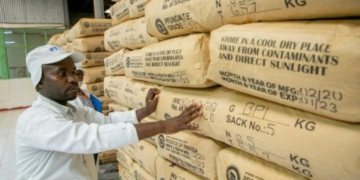
Industry and agro-processing are among the sectors that could benefit from long-term investment.
Investment in manufacturing could help Rwanda produce more goods locally, create employment and reduce dependence on imported products. Stronger domestic industries could also create opportunities for local businesses and strengthen the country’s economic base.
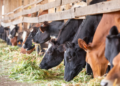
Agriculture presents another important opportunity. Investment in agro-processing could help transform agricultural products into higher-value goods, giving farmers access to more stable markets while increasing the value generated within the country.
Balancing Investment Returns and Development Goals
Although pension fund investments can support national development, their primary responsibility remains protecting and growing members’ savings.
Analysts therefore argue that investments should be carefully selected based on factors such as expected returns, risks, liquidity and the length of time required for a project to generate value.
Projects that create employment, increase productivity and generate sustainable income could potentially serve both the interests of pension fund members and the wider economy.
Could Rwanda Set an Example for Africa?
Rwanda’s experience could provide lessons for other African countries considering how large institutional savings can contribute to economic development.
Pension funds can provide significant long-term capital for productive investments, particularly in sectors that require substantial financing and generate returns over many years.
However, using pension assets for development requires strong governance, transparency and compliance with investment regulations. Members’ savings must not be exposed to unnecessary risks simply to finance national projects.
Jobs and Local Businesses Remain Important
Economic development is not measured only by the amount of money invested. It also depends on whether investments create jobs, strengthen local businesses, increase productivity and produce goods and services that can compete in regional and international markets.
For this reason, investments by major national institutions such as pension funds could contribute to building a more productive and self-reliant economy when they are directed toward financially viable projects.
ALSO READ: https://agaciropress.com/im-bank-rwandas-profit-rises-62-to-rwf18-8-billion/
The Way Forward
Rwanda’s pension fund has the potential to remain an important source of long-term investment capital. Its investments could contribute to sectors such as industry, agriculture, technology and other productive activities while generating returns for members.
The key is to maintain a careful balance between members’ financial interests, investment returns, transparency and national economic development. When these priorities are aligned, pension savings can support both retirement security and sustainable economic growth.