































Coffee, tea, and diversified crops drive strong performance as Rwandan produce reaches markets across four continents.

Rwanda generated USD 9,578,028 from agricultural exports in just five days, according to new data released by the National Agricultural Export Development Board (NAEB). Between 22 and 26 June 2026, the country shipped 9,216 metric tons of agricultural products to buyers around the world.
The figures highlight the continued strength of Rwanda’s agri-export sector. They also show how far the country has diversified beyond its traditional cash crops.
READ ALSO: Rwandan agricultural exports 2026 generate 14.7 Rwf billions in 5 days
Coffee and Tea Lead in Value
Coffee and tea remain Rwanda’s most valuable exports per tonne.
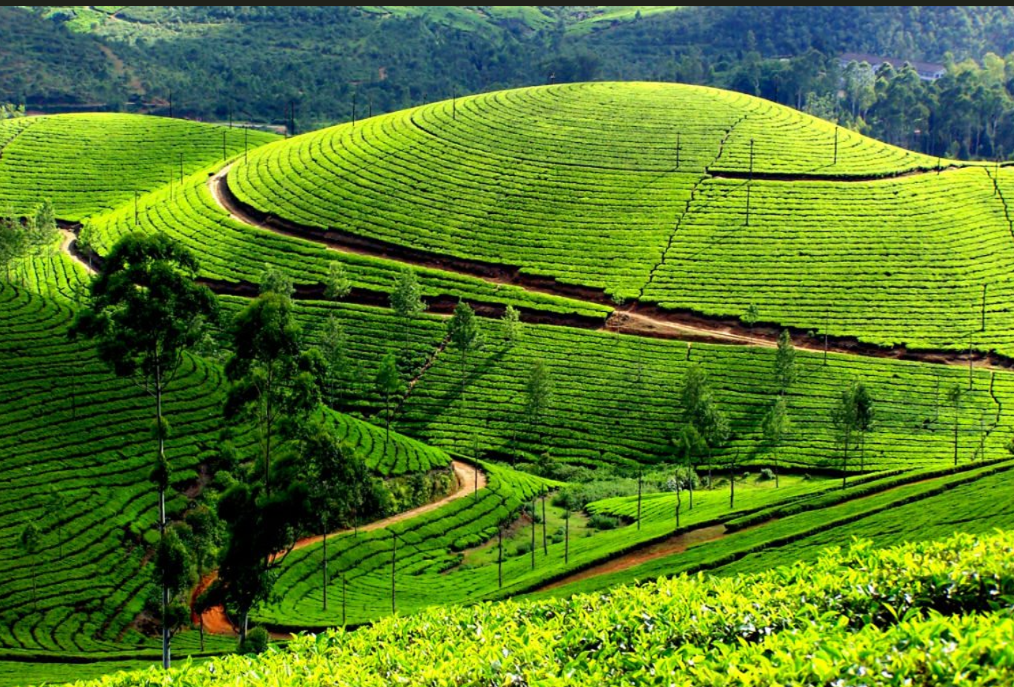
Rwanda exported 362 metric tons of coffee during the period, earning USD 2,221,333. Tea performed even better by volume, with 846 metric tons exported for USD 2,437,100 in revenue.
Together, coffee and tea accounted for more than USD 4.6 million — nearly half of the week’s total export revenue, despite making up only a small share of total volume.
READ ALSO: Rwanda’s Development Inspired Oga Obinna to Challenge Fellow Kenyans
Diversified Products Dominate by Volume
The largest category by volume was diversified agricultural products, which reached 6,731 metric tons and generated USD 3,253,926 in revenue. These exports went to a wide spread of destinations, including the United Arab Emirates, Bangladesh, France, Oman, the United States, and several African countries.
This category’s size reflects a broader shift in Rwanda’s export base. The country is increasingly moving beyond coffee and tea toward a wider mix of agricultural goods.
READ ALSO: Kigali’s Giporoso–Masaka Road Expansion Set to Transform Traffic Flow and Connectivity
Vegetables, Fruits, and Flowers Find Steady Buyers
Rwanda’s horticulture sector also posted solid results.
Vegetable exports reached 511 metric tons, earning USD 583,985. Key destinations included Great Britain, the Netherlands, France, Belgium, and Germany, alongside African markets.
Fruit exports totaled 380 metric tons, worth USD 252,063, with the United Arab Emirates and African countries as the main buyers.
Flower exports were smaller in volume, at 10 metric tons, but still generated USD 62,508. Rwandan flowers were shipped mainly to the Netherlands, the United Kingdom, and African markets.
READ ALSO: Repeating an Insult Makes You the One Insulting – Dr. Murangira
Animal Products Add to the Mix
Animal products rounded out the week’s export data, with 376 metric tons sold for USD 767,113. These exports went primarily to African countries, reflecting Rwanda’s growing role in regional agricultural trade.
Rwanda’s agricultural exports weekly performance | 22-26/06/2026
— NAEB (@RwandAgriExport) July 1, 2026
#RwandaAgriExports #RwandaCoffee #RwandaTea #RwandaFresh pic.twitter.com/BU5Vn0LUmr
Analysis: What the Numbers Signal
The data points to two clear trends in Rwanda’s agricultural export strategy.
First, traditional cash crops still carry disproportionate value. Coffee and tea generated nearly half of total revenue from a fraction of total volume, confirming their status as high-value, premium exports on international markets.
Second, diversification is paying off. Diversified agricultural products alone accounted for almost three-quarters of total export volume. This suggests that government efforts to widen Rwanda’s export base including investment in packhouses, cold storage, and direct flight routes to new markets are beginning to show results.
The spread of destination markets is also notable. In a single week, Rwandan agricultural products reached buyers in Europe, the Middle East, Asia, the Americas, and across Africa. This geographic reach reduces Rwanda’s dependence on any single market and strengthens the country’s resilience to external shocks.
Taken together, the figures suggest steady, broad-based growth rather than reliance on one or two export categories. For a country positioning itself as a regional agribusiness hub, that balance may prove more valuable in the long run than any single week’s revenue figure.
READ ALSO: Survivor Testimony: Mugenzi Jean Claude’s Escape from the 1994 Genocide