




























The National Agricultural Export Development Board (NAEB) has announced that Rwanda generated 14.7Rwf billions from agricultural exports between May 11 and May 15, 2026. During this five-day period, the country exported a total volume of 10,154 metric tons of agricultural commodities.

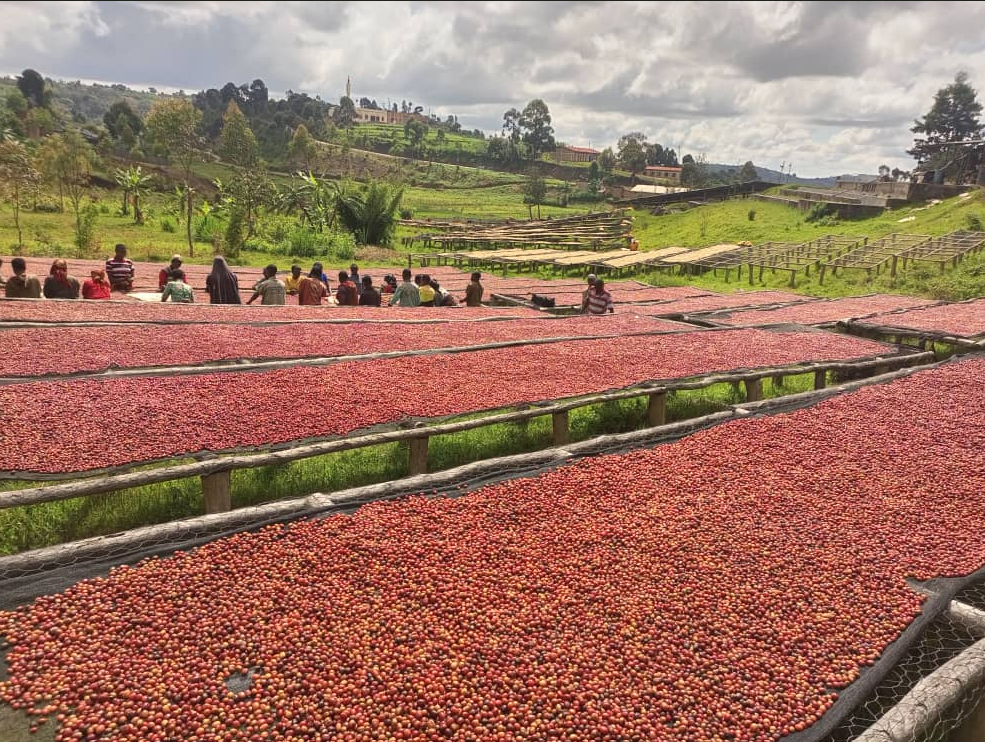
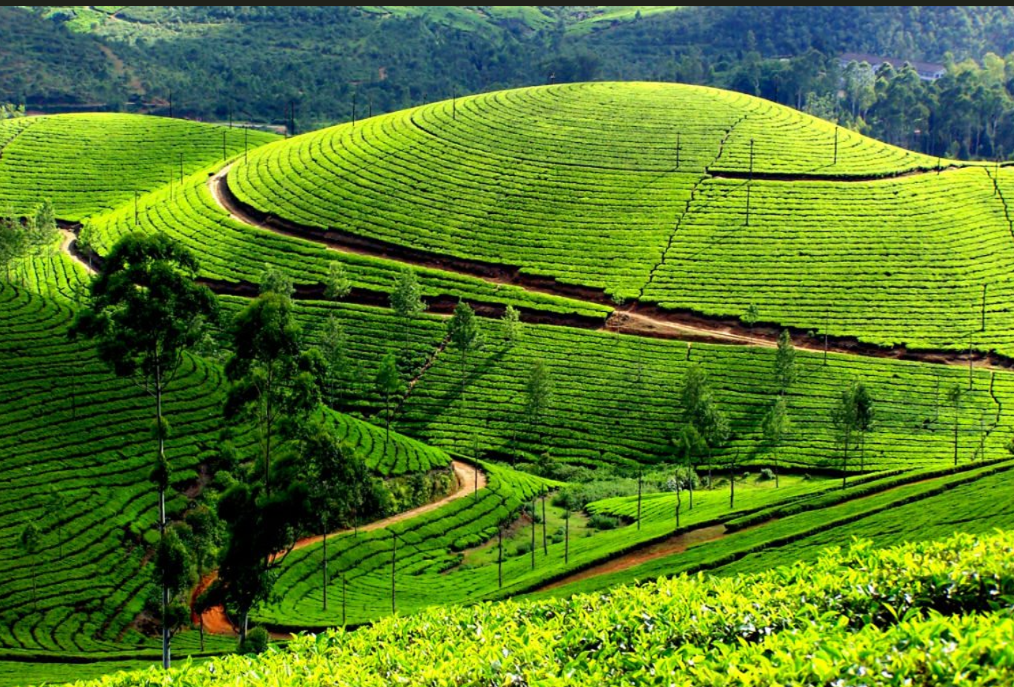
Traditional cash crops maintained a strong performance on the global market. Specifically, Rwanda exported 288 metric tons of coffee, which brought in $1,438,498. Meanwhile, tea exports reached 1,008 metric tons and generated $2,885,403 in revenue, proving to be a major driver for Rwandan agricultural exports 2026.
Rwanda’s agricultural exports weekly performance | 11-15/05/2026
— NAEB (@RwandAgriExport) May 20, 2026
—-
Inshamake ku mafaranga ava ku bikomoka ku buhinzi n’ubworozi u Rwanda rwohereza mu mahanga | 11-15/05/2026 #Rwandaagriexports #RwandaCoffee #RwandaTea #RwandaFresh pic.twitter.com/NRkJoxntGA
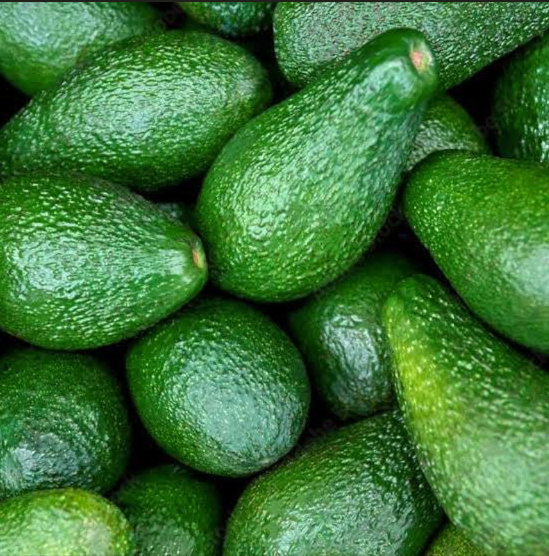
The horticultural sector also showed positive results during this brief period. Fresh vegetable exports amounted to 316 metric tons, generating $430,582, while fruit exports reached 462 metric tons and brought in $310,489. Additionally, the flower industry contributed $77,458 from the export of 14 metric tons of flowers. These figures highlight the expanding variety within the export sector.
READ ALSO: Rwanda Small Modular Reactors, New Partnership to Advance Nuclear Energy
Diversified products boost Rwandan agricultural exports 2026
Apart from traditional crops, diversified agricultural products made up the largest volume of exports. This category, which includes grains, flour, and tubers, reached 7,795 metric tons and generated $4,554,802. Furthermore, animal products contributed $386,420 from an export volume of 270 metric tons.
These products primarily went to global destinations such as Great Britain, the Netherlands, France, the United Arab Emirates, Oman, and the United States. Numerous African countries also imported a significant share of these goods. This wide market distribution ensures the steady growth of Rwandan agricultural exports 2026, which directly benefits local farmers and strengthens the national economy.
READ ALSO: Rwanda and Tanzania Forge Major Energy Partnership at NEISA 2026
READ ALSO: Rwanda Commits Rwf 138.3 Billion to Water and Sanitation Projects