

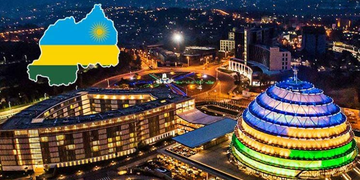























Rwanda is set to host the headquarters of the Nile Basin Initiative (NBI), following a decision by the Cabinet to approve amendments to an agreement between the Government of Rwanda and the regional organisation, granting it the right to establish its headquarters in the country.

ALSO READ: In Rwanda, more than 26,000 students aged over 18 are still enrolled in primary schools.
The decision was announced after a Cabinet meeting held on Monday, June 8, and marks another milestone in Rwanda’s growing role as a hub for regional and international institutions.
Regional Organisation Brings Together 11 Countries
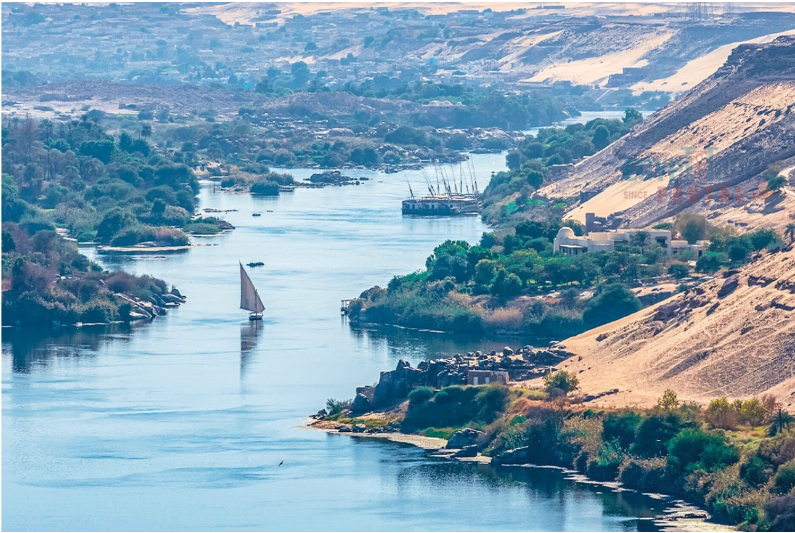
The Nile Basin Initiative is a regional partnership that brings together 11 countries sharing the Nile River Basin. These include Rwanda, Burundi, the Democratic Republic of Congo, Egypt, Eritrea, Ethiopia, Kenya, Sudan, South Sudan, Tanzania, and Uganda.
ALSO READ: MINALOC Meets DASSO Coordinators
The organisation was established in 1999 to promote cooperation and sustainable management of the Nile’s shared water resources among member states.
Headquarters to Move from Uganda to Rwanda
The Initiative’s current headquarters are located in Entebbe, Uganda. However, it already operates one of its key regional centres in Kigali through the Nile Equatorial Lakes Subsidiary Action Program Coordination Unit (NELSAP-CU).
ALSO READ: Police FC Restructures Squad After Disappointing Season
Another major regional office, the Eastern Nile Technical Regional Office (ENTRO), is based in Addis Ababa, Ethiopia.
The relocation of the headquarters to Rwanda is expected to strengthen the country’s position as a centre for regional cooperation and development initiatives.
Promoting Cooperation and Shared Water Management
The Nile Basin Initiative focuses on three core objectives: strengthening cooperation among member states, providing a neutral platform for dialogue and trust-building, and facilitating the sharing of information and data related to water resources.
The organisation also supports discussions on policies and strategies aimed at ensuring the sustainable management of the Nile’s shared waters for the benefit of all member countries.
Strengthening Disaster Preparedness
In addition to promoting cooperation, the Initiative plays a key role in managing water-related risks across the region.
Among its major programs are early warning systems designed to help countries prepare for droughts and floods. These include the Nile Basin Drought Early Warning System and the Flash Flood Early Warning System, which provide timely information to governments and communities, enabling them to reduce the impact of natural disasters.
By hosting the organisation’s headquarters, Rwanda is expected to play an even greater role in advancing regional collaboration on water management, environmental protection, and climate resilience across the Nile Basin.