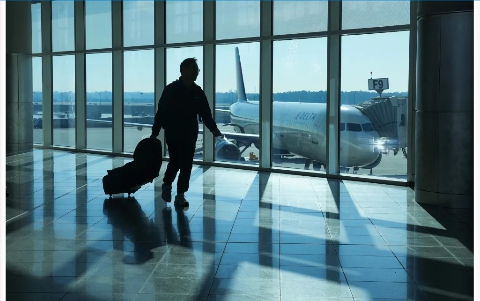































The effects of the war in Iran have gone far beyond local transport disruptions. Even pilots in Rwanda and abroad are feeling the shock, as aviation fuel prices have surged dramatically.

ALSO READ: AGACIRO PRESS: Turning Jobless into Opportunities
Jet A1, commonly known as jet fuel, accounts for 20% to 25% of airline operating costs, especially on long international flights. When fuel prices rise, ticket prices inevitably follow.
Rising Jet Fuel Costs
ALSO READ: TVET Education Empowers Young People to Build Successful Lives
Before the U.S.–Iran conflict, aviation fuel in the United States cost about $2.50 per gallon. In the days following attacks on Iran, that price surged to over $4.56 per gallon. Globally, aviation fuel prices increased by 82%, rising from $0.66 per litre to nearly $1.27 per litre.
Measured per gallon, jet fuel jumped from $85–$90 before the war to $150–$200 within weeks. On February 27, 2026, filling a Boeing 737‑800 at major U.S. airports cost about $17,000. Within a week, the cost had risen to over $27,000. For airlines operating on thin margins, this was a major blow.
ALSO READ: Ministry of Public Service and Labour Announces Eid al‑Adha Holiday
Ticket Prices Skyrocket
The New York–Los Angeles route, one of the busiest in the U.S., saw ticket prices more than double within weeks. Before the war, a ticket cost $167; by March 2026, it had reached $414. On international routes, the impact was even sharper. From New York to London, Delta’s cheapest ticket rose from $285 in late February to $553 by mid‑March.
In Rwanda, travel agents reported similar challenges. Keza Teta explained that tickets to China, a common business destination, rose from $500 to between $800 and $2,000. Trips to Tanzania increased from $300 to $500.
ALSO READ: President Kagame Concludes Working Visit to Doha
Learn Horizon Travel’s manager, Mukamisha Sirikare Paula, said client numbers dropped sharply, while Patrick Nshuti of Delight Travel noted that weekly clients fell from over ten to just a few. Importers also suffered losses, with some halting shipments due to high costs. Manishimwe Jean De Dieu of Yoos Group Ltd compared the situation to COVID‑19, when ticket prices reached $2,000.
Airlines Respond with Cuts and Fees
Airlines not only raised ticket prices; they also introduced fuel surcharges and reinstated baggage fees. Some carriers cancelled flights to reduce fuel consumption. Air Canada suspended New York flights, while globally, thousands of flights were removed from schedules.
ALSO READ: Rwanda and Russia Commit to Strengthening Military Cooperation
After February 28, 2026, over 20,000 flights were cancelled in the first days, affecting more than one million passengers worldwide. By March 6, 2026, of 51,600 Middle East‑bound flights scheduled since February 28, more than half were cancelled. On one day alone, nearly 7% of all global flights were cancelled — 7,049 of 104,618 scheduled flights.