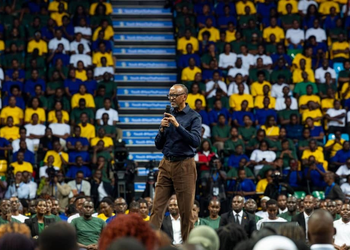
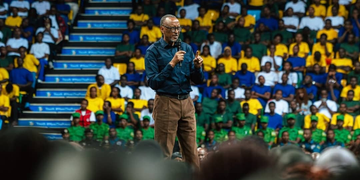
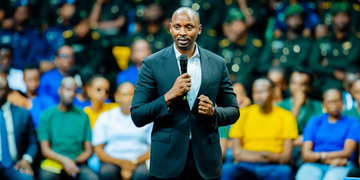











As Rwanda prepared for the 21st Kwita Izina Gorilla Naming Ceremony scheduled for September 4, 2026, in Kinigi, Musanze District, a documentary exploring the lives of Virunga mountain gorillas was screened for audiences in Rwanda.

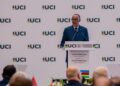
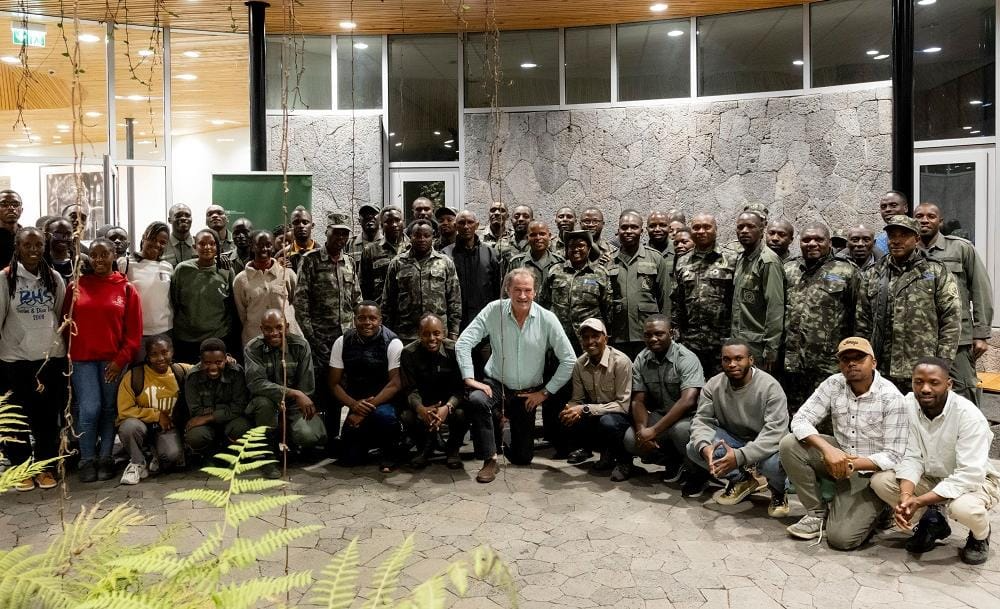
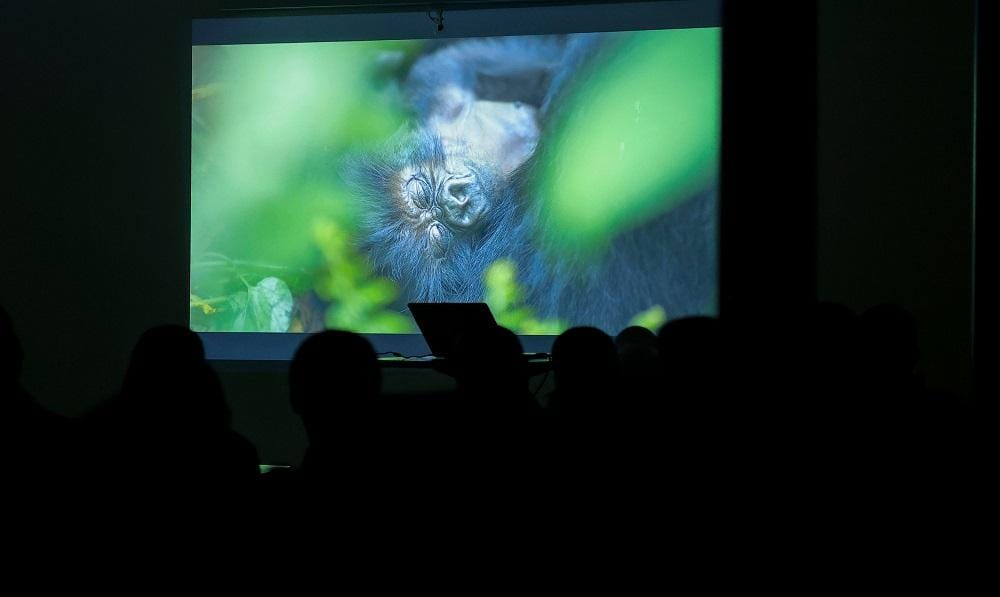
The documentary, A Gorilla’s Story, was screened on Wednesday night, September 2, 2026, at the Ellen DeGeneres Campus of the Dian Fossey Gorilla Fund in Kinigi.
The screening formed part of activities leading up to Kwita Izina, highlighting the importance of gorilla conservation, environmental protection and tourism to Rwanda’s development.
ALSO READ: https://agaciropress.com/rwandas-top-artists-welcome-guests-at-gorilla-naming-ceremony-in-musanze/
A Film That Tells the Story of Gorilla Families
A Gorilla’s Story goes beyond showing gorillas eating, walking and playing in the forest.
The film explores how gorillas form families, build relationships, establish leadership and deal with conflicts within their groups.
It follows several individual gorillas, giving viewers an opportunity to understand their behaviour and family relationships through a story built around particular characters. Among the gorillas featured are Pablo, Gicurasi, Ubwuzu, Imfura, Teta, Ubi and Inyange.
David Attenborough’s First Encounter With Pablo
The documentary begins with renowned wildlife broadcaster David Attenborough recalling his first visit to Virunga in the 1970s.
During that visit, he encountered Pablo, who was then a young gorilla living in a family dominated by females.
Attenborough recalls being surprised that the gorillas did not treat him as an enemy. Instead, Pablo approached him and eventually lay on his leg.
The experience became an important part of Attenborough’s memories of gorillas and later contributed to the story told in the documentary.
Pablo Built a Large Family
The film explains that male gorillas eventually reach an age when they begin seeking to establish their own families.
Pablo followed this path and went on to establish one of the largest gorilla families in the history of Virunga.
However, his leadership eventually ended tragically.
Pablo died at the age of 33 while defending his family during an attack by another gorilla group.
His story demonstrates the challenges involved in protecting and leading a gorilla family.
Gicurasi Faces a Leadership Challenge
The documentary then moves from Pablo’s story to the present day generation of gorillas descended from his lineage.
The family is led by Gicurasi, an ageing silverback whose strength is gradually declining.
As Gicurasi becomes weaker, Ubwuzu, a younger gorilla, begins to challenge his position.
The struggle for leadership creates tension within the family as Ubwuzu seeks an opportunity to become the dominant leader.
Ubwuzu and Imfura Clash
Ubwuzu’s struggle for leadership also brings him into conflict with Imfura, another gorilla approaching maturity.
The two engage in a confrontation, during which Ubwuzu seriously injures Imfura.
What happens afterward becomes one of the most dramatic moments in the documentary.
Imfura’s Unusual Behaviour
Following her injuries, Imfura begins closely observing Ubwuzu.
When she encounters Ubwuzu’s infant, she kills the young gorilla.
The incident shocked researchers and provided an unusual opportunity to examine the complex behaviours and conflicts that can occur within gorilla families.
Through such events, A Gorilla’s Story presents gorillas as animals with complex social structures, relationships, rivalries and behaviours that can sometimes appear remarkably similar to those found in human societies.
ALSO READ: https://agaciropress.com/rwanda-and-botswana-strengthen-military-cooperation/
The Importance of Female Gorillas
The documentary also explores the structure of gorilla families and the important roles played by females.
Gorilla groups can contain several females, while silverbacks provide protection and leadership.
Adult males may compete for leadership as they mature, while younger males can remain within their father’s group for a period of time.
As a silverback ages and becomes weaker, competition over leadership can therefore become a major source of conflict.
Alastair Fothergill Helps Bring the Story to Life
British filmmaker Alastair Fothergill, one of the people involved in the documentary, attended the special screening in Kinigi.
Fothergill explained that the initial idea was to create a film that would tell a compelling story about gorilla life.
The project developed further after discussions with the Dian Fossey Gorilla Fund.
Fothergill also approached David Attenborough, who contributed his memories and earlier observations of gorillas in Rwanda.
These historical observations were combined with modern footage to create a story connecting gorilla life across different generations.
More Than 250 Hours of Footage
A Gorilla’s Story was produced by Silverback Films, with filmmakers including James Reed, Alastair Fothergill, Leonardo DiCaprio, Jennifer Davisson and Phillip Watson involved in the project.
The production team collected more than 250 hours of footage filmed between 2023 and 2024.
The new footage was combined with Attenborough’s earlier recordings and memories from his visits to Rwanda, allowing the documentary to connect observations made more than four decades apart.
ALSO READ: https://agaciropress.com/rwanda-army-provides-free-medical-services-to-2874-tanzanian-residents/
The Film Reaches Global Audiences Through Netflix
A Gorilla’s Story was released on April 17, 2026, and was later added to Netflix.
Its availability on the streaming platform has enabled audiences around the world to learn more about the lives of Virunga mountain gorillas and the conservation efforts surrounding them.
The Story Was Narrated in Kinyarwanda
The Kinigi screening had another special feature.
The documentary was translated into Kinyarwanda by Felix Ndagijimana, Director of the Karisoke Research Center of the Dian Fossey Gorilla Fund.
This allowed Rwandan audiences to experience the story in their own language.
It also helped make the story of the Virunga gorillas more accessible to local communities, rather than presenting gorilla conservation primarily as an experience for international visitors.
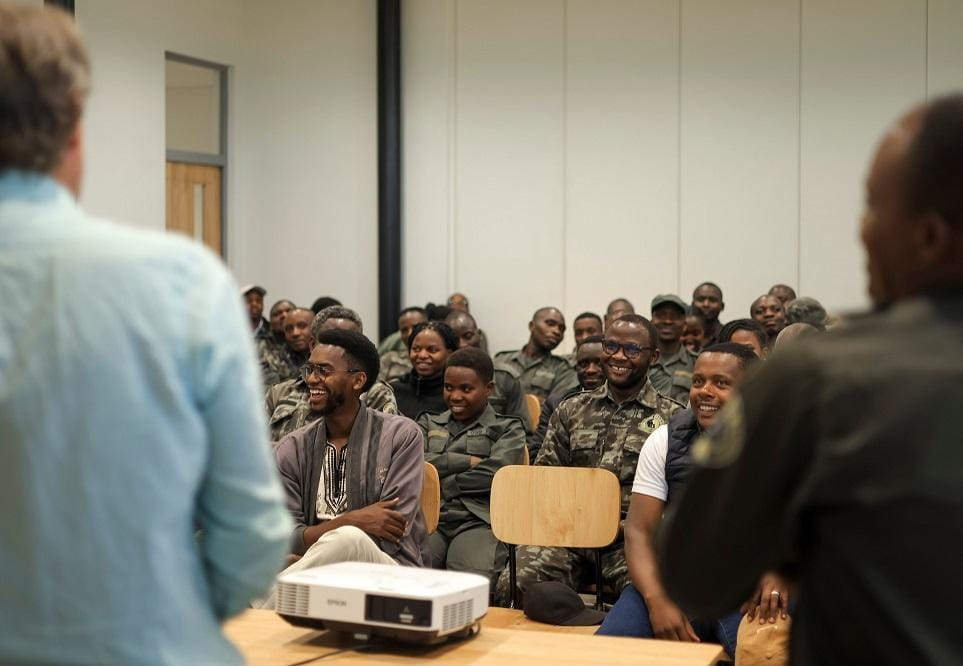
Conservationists and Gorilla Namers Attend the Screening
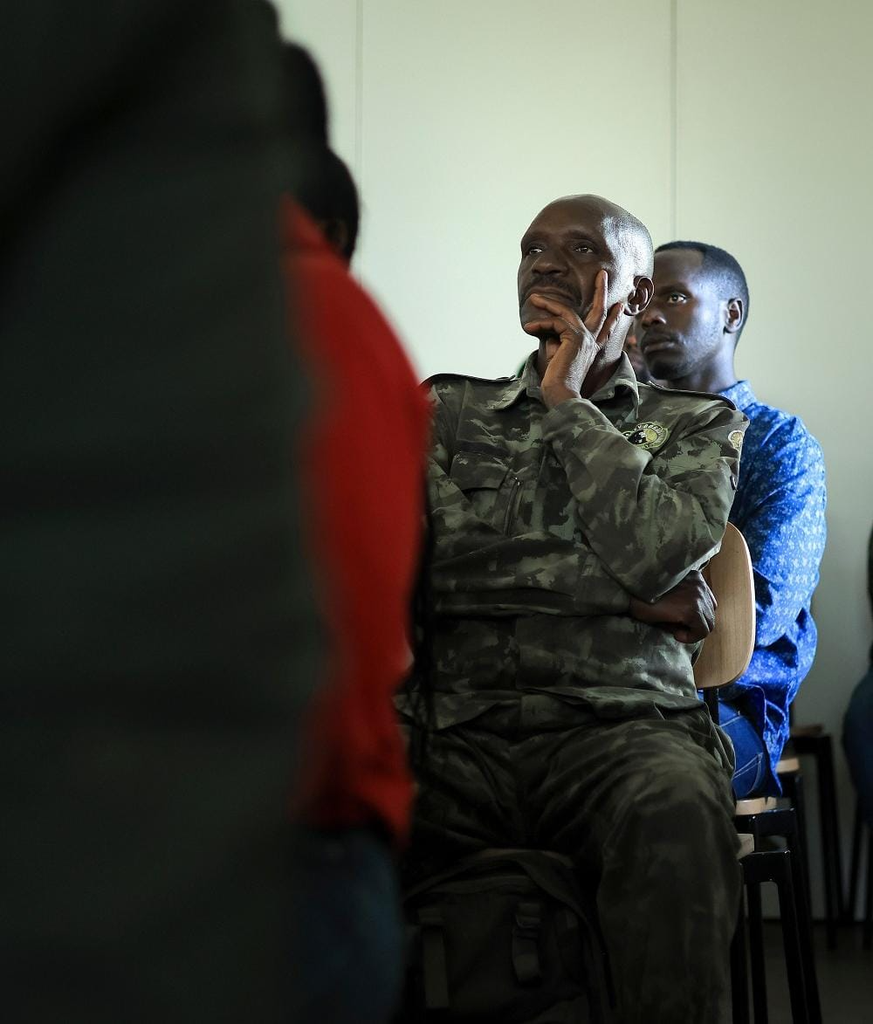
The screening brought together representatives from the Rwanda Development Board (RDB), conservationists and other guests.
Among those present was Alastair Fothergill, who is also one of the personalities selected to participate in this year’s Kwita Izina ceremony.
The event provided an opportunity for conservation experts and guests to reflect on the importance of protecting mountain gorillas and their natural habitat.
Rwanda’s Conservation Success
For Rwanda, the documentary also highlights the country’s progress in protecting the Virunga mountain gorillas.
Irène Murerwa, Head of Tourism at RDB, highlighted the progress made over the past two decades through anti-poaching efforts, cooperation with communities, sustainable tourism and environmental investment.
The recovery of the gorilla population has become one of Rwanda’s major conservation achievements.
A Gorilla Story That Could Boost Tourism
The documentary could also contribute to Rwanda’s tourism sector by increasing international interest in seeing mountain gorillas in their natural environment.
Through Netflix, viewers who may never have visited Rwanda can see the forests of the Virunga Mountains and gain a deeper understanding of the animals that have become one of the country’s most important tourism attractions.
The film therefore presents gorillas not simply as a symbol of Rwanda’s tourism industry, but as living beings with families, histories, relationships, leadership struggles and distinctive behaviours.
ALSO READ: https://agaciropress.com/president-kagame-holds-discussions-with-rdb-board-of-directors/
From Pablo to Today’s Gorillas
From Pablo’s story in the 1970s to the lives of Gicurasi, Ubwuzu, Imfura, Teta, Ubi and Inyange today, A Gorilla’s Story provides a long-term view of gorilla life in the Virunga Mountains.
The documentary shows that behind the images tourists see when they visit Rwanda, there is a complex social world that researchers and conservationists have been studying for decades.
Screening Comes Before Naming 22 Baby Gorillas
The screening took place just two days before the 21st Kwita Izina ceremony, where 22 baby gorillas were scheduled to receive names in Kinigi on September 4, 2026.
With the documentary presented in Kinyarwanda and screened in the heart of Rwanda’s gorilla tourism region, the event offered a reminder that conservation is not only about protecting animals for visitors, but also about ensuring that Rwandans themselves understand, value and participate in protecting the country’s natural heritage.