


























Pakistan’s Prime Minister, Shehbaz Sharif, acting as a mediator between the United States and Iran, announced that both countries have agreed to a ceasefire deal. He announced on the night of June 14, 2026.

ALSO READ: Hotel Rooms Reach Nearly 28,000: Rwanda’s Hospitality Industry Expands
Initial Announcement and Iran’s Hesitation
This comes after U.S. and Pakistani officials had revealed plans to sign a ceasefire agreement with Iran, though they noted Iran had not yet confirmed its participation due to ongoing opposition within the country.
ALSO READ: India: Officer Cadets Elie Ndagijimana and Fils Niyikiza Graduate from IMA
Draft Agreement Reached
Sharif explained that after intense negotiations between the two sides, they agreed on a draft ceasefire agreement.
He stated: “Both parties have agreed to immediately and permanently halt military operations, including stopping fighting in Lebanon. The official signing ceremony will take place on Friday, June 19, in Switzerland.”
Praise for Diplomacy
Sharif praised both the U.S. and Iran for committing to a diplomatic solution to end the war. He also thanked countries that helped bridge Washington and Tehran, highlighting Qatar’s significant role in facilitating the agreement.
He added: “I also commend the farsighted leadership of Saudi Arabia and Turkey for their important contributions to this matter.”
Preparations for Implementation
The Pakistani Prime Minister noted that the mediating countries will assist in technical discussions this week to prepare for the implementation of the agreement.
Trump’s Confirmation
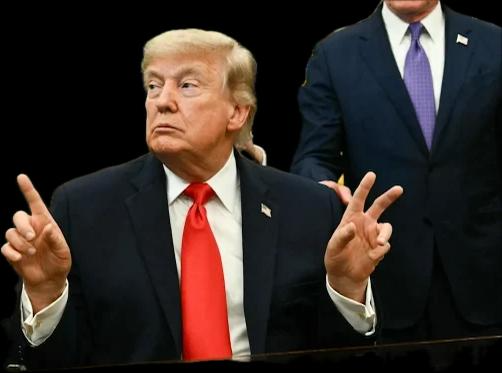
Donald Trump confirmed Pakistan’s announcement, saying the U.S. and Iran had finalized the ceasefire deal.
He declared: “The project [we negotiated] with Iran is now complete. I confirm that the Strait of Hormuz will reopen, and U.S. naval forces that had blocked Iranian ships will withdraw. Global shipping will resume, and oil supplies will reach everywhere.”
Background of the Conflict
On February 28, the U.S. and Israel launched strikes on Iran, killing several leaders including Supreme Leader Ali Khamenei. Iran retaliated by closing the Strait of Hormuz, through which nearly 20% of the world’s oil passes, though it allowed passage for friendly nations.
In response, the U.S. blocked Iranian oil shipments, causing global economic turmoil and driving oil prices up to $130 per barrel.
International Reactions
Countries such as Qatar and the United Kingdom welcomed the ceasefire agreement. U.S. Vice President JD Vance is expected to travel to Geneva, Switzerland, to sign the deal.