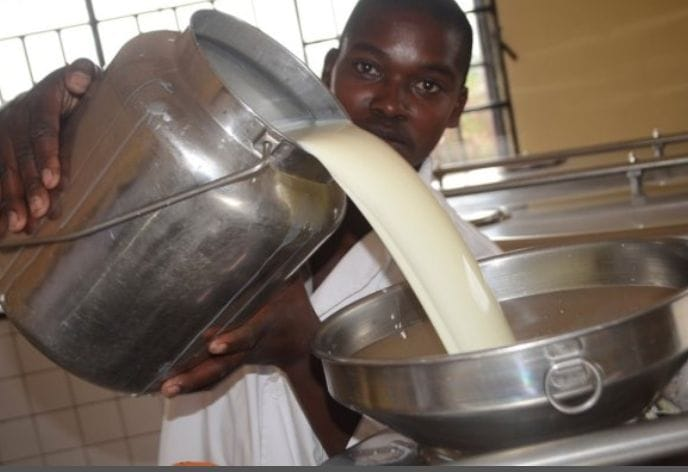























The Rwandan government has announced that it will no longer set the price of milk, with future prices to be determined through negotiations between dairy farmers and buyers.

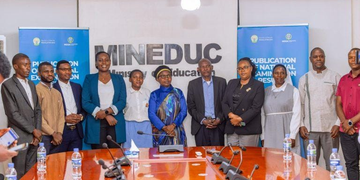
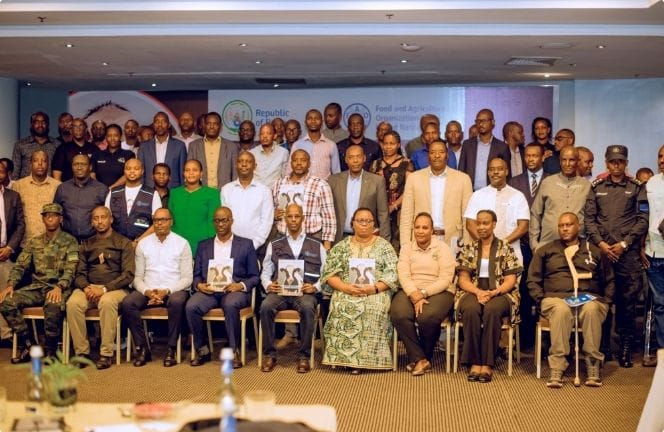
The announcement was made by the Minister of State in the Ministry of Agriculture and Animal Resources, Dr. Solange Uwituze, on Friday, July 31, 2026, during the launch of a new training manual designed to help livestock farmers improve dairy production, adopt best practices in cattle rearing, enhance animal feeding, and strengthen overall farm management.
Dairy Farmers Call for Higher Prices
During the meeting, dairy farmers argued that the current farm-gate price of Frw 400 per litre is no longer sustainable given the rising costs of production. They cited increasing expenses for veterinary drugs, animal feed, diesel fuel, electricity, water, and other essential inputs, and called for a price increase.
Henry Rwamugema, a dairy farmer from Karama Sector, said the cost of producing milk including purchasing veterinary medicines, paying herdsmen, buying fodder, and transporting milk to collection centres has risen significantly.
He said the current price of Frw 400 per litre is too low to allow farmers to earn a reasonable profit and should therefore be increased.
Another farmer, Butare Musoni Alex from Rwempasha Sector, echoed the concerns
He said: “Today, the prices of nearly everything have gone up. Take diesel as an example it now costs about Frw 2,900 per litre, while we sell a litre of milk for only Frw 400. It is clear that we are operating at a loss. The only viable solution is to raise the price of milk,”
Government to Facilitate Negotiations
Dr. Uwituze explained that the government will no longer determine milk prices directly but will instead facilitate negotiations between dairy farmers and buyers, acting as a mediator rather than a price setter.
She assured farmers that a new milk price would be agreed upon and announced before the end of August.
She said: “You have seen that maize, potatoes, and other agricultural commodities are now priced through agreements between producers and buyers. Milk will follow the same approach. Decisions will not be made arbitrarily; they will be based on data, with buyers and farmers negotiating a fair price. The government’s role will simply be to facilitate the process, just as it does for maize and potatoes,”
She added that the revised milk price is expected to be finalized during August and implemented immediately to help improve farmers’ incomes.
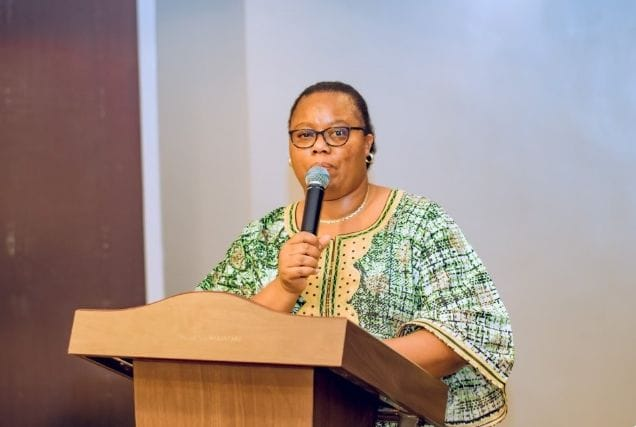
Dr. Uwituze also said that the Ministry of Trade and Industry had agreed that its role would be limited to bringing together dairy farmers and buyers and helping them reach a mutually acceptable price, while government institutions would no longer set milk prices.
New Pricing Policy Already Underway
Cassien Karangwa, Director of Value Chain Analysis at the Ministry of Trade and Industry, said the government had previously worked with dairy farmers to determine milk prices. However, since 2025, the policy has shifted, allowing dairy farmers, milk buyers, and dairy processing companies to negotiate prices independently.
Karangwa noted that although the farm-gate price had increased from Frw 220 to Frw 400 per litre, farmers continue to argue that it remains insufficient considering production costs.
He said discussions are expected to be concluded next week, enabling farmers and buyers to agree on a new milk price that would help reduce financial losses faced by dairy producers.
Dry Season Reduces Milk Production
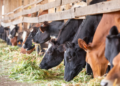
The meeting also highlighted the sharp decline in milk production during the dry season. In Nyagatare District, daily milk production has dropped from about 120,000 litres during the rainy season to just 35,000 litres in the dry season.
Farmers were encouraged to adopt fodder conservation practices to ensure adequate livestock feed throughout the dry season.