





















Rwanda’s Chamber of Deputies on Monday, August 3, 2026, approved a law ratifying the country’s accession to the agreement establishing the African Risk Capacity (ARC), an institution created to help African countries prevent and respond to disasters.

The agreement was signed in Pretoria, South Africa, on November 23, 2012, while Rwanda was chairing the African Union.
ARC’s Role in Disaster Preparedness
Minister of Agriculture and Animal Resources Dr. Telesphore Ndabamenye said ARC helps countries prepare for, prevent, and respond to disasters, epidemics, and climate-related risks. The institution provides services including risk assessment, early warning systems, disaster preparedness planning, and capacity building.
Climate Change Costs and Membership Benefits
He noted that floods and droughts cost Rwanda about 1.75% of its Gross Domestic Product (GDP) annually, while the impact of climate change could increase losses to around 3.25% of GDP if current trends continue.
The Minister said Rwanda’s membership in ARC will improve access to emergency funding, strengthen disaster preparedness, reduce pressure on the national budget, and support faster recovery after disasters.
As a member, Rwanda will contribute an annual fee of USD 50,000 and work with ARC’s secretariat and partners to improve climate risk management and disaster response planning.
Disaster Impact in Rwanda
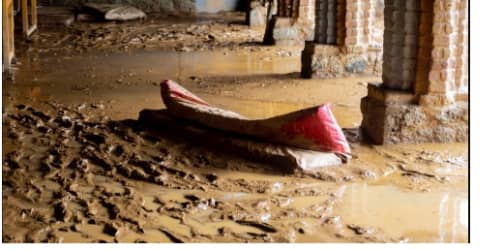
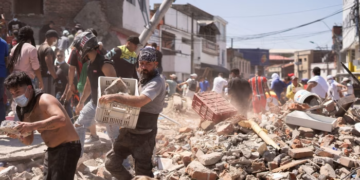
According to the 2025 report by the Ministry in charge of Emergency Management (MINEMA), disasters—mainly floods and landslides caused major damage in Rwanda that year, killing 145 people, injuring 287 others, destroying 33 houses, and damaging 1,841 others. They also affected farmland, livestock, schools, health facilities, roads, bridges, and electricity infrastructure.
Strengthening Climate Resilience
Rwanda’s move to join ARC is part of broader efforts to strengthen disaster prevention and resilience against increasing climate-related threats.