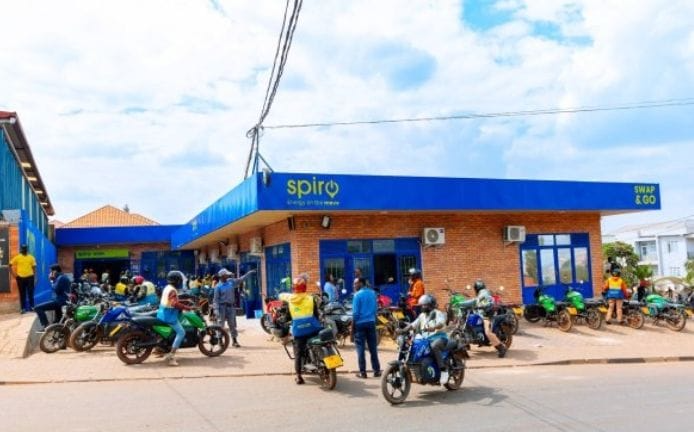


























Spiro Rwanda has outlined measures it is taking to build and expand electric motorcycle infrastructure in preparation for the growing number of users.

The company said it is continuing to develop and expand its electric motorcycle infrastructure to keep pace with the increasing number of riders. This includes ensuring that motorcyclists can access battery-swapping services close to where they operate.
As the number of electric motorcycles grows, the infrastructure and services required to support them will also need to expand.
ALSO READ: https://agaciropress.com/august-2026-hottest-month-world-history/
Spiro Plans Battery-Swapping Network Expansion
This was revealed by Spiro Rwanda’s Business Manager, Ngabire Shanton, during the annual Energy Forum and Exhibition held in Kigali from September 8, 2026.
Speaking during a session focused on policies, infrastructure, technology and battery management for electric vehicles, Ngabire said Spiro is developing an efficient system that will enable motorcyclists to continue operating without being affected by a lack of accessible battery-swapping stations.
she said: “For a commercial motorcyclist, the amount of time a motorcycle remains operational is very important. They do not want to spend working hours waiting for a battery to charge. They need reliable access to energy wherever they operate.”

Company Uses Technology to Manage Batteries
Spiro’s activities go beyond manufacturing and distributing electric motorcycles. The company is also focused on expanding battery-swapping stations, increasing the number of batteries available, monitoring battery performance through technology and implementing other measures.
This also involves analysing data collected from Spiro stations to determine where batteries are most frequently used, where demand is increasing and how individual batteries are performing.
The information enables the company to make informed decisions about where to establish new stations and how to manage battery stocks based on demand.
Infrastructure Planned Ahead of Demand
Ngabire said Spiro does not wait until electric motorcycles become widespread before preparing the infrastructure needed to support them.
Instead, the company is developing infrastructure in advance so that it can meet demand as the number of users continues to grow. She Said: “We do not want to solve today’s problem only to create another problem tomorrow with battery waste. That is why we plan for battery lifecycle management from day one.”
ALSO READ: https://agaciropress.com/british-tourist-arrested-in-turkey-for-spitting-on-national-flag/
Spiro Works With Government on Electricity Supply
Spiro Rwanda is also working with government institutions to ensure that areas where battery-swapping stations are planned have adequate and reliable electricity supply.
The company said decisions to establish new stations are based on the number of motorcycles operating in a particular area, the available infrastructure and the amount of electricity accessible there.
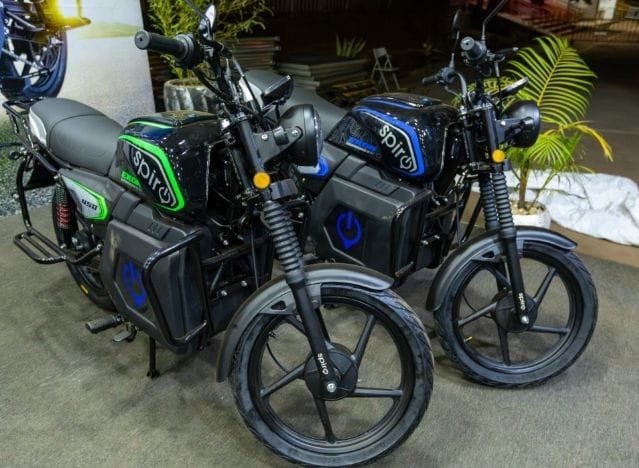
Spiro Has Eight Major Stations in Kigali
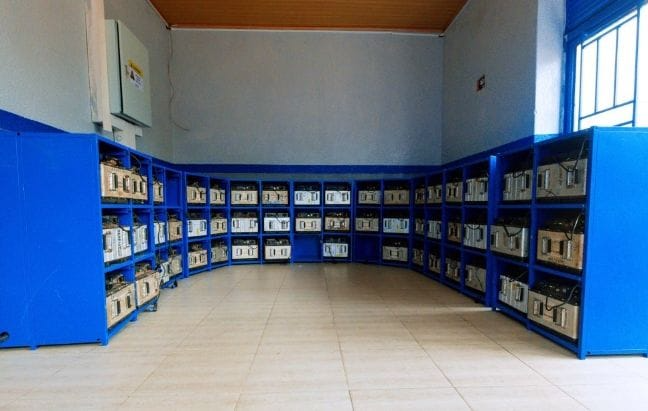
So far, Spiro Rwanda has established eight major stations in Kigali, with the capacity to recharge multiple batteries simultaneously.
The company also has more than 50,000 batteries and plans to continue increasing their number while expanding its battery-swapping network.
Spiro Rwanda said its goal is to expand its operations, provide reliable services and ensure proper battery management throughout their lifecycle.
This will enable its infrastructure network to grow at a pace that matches the increasing adoption of electric motorcycles in Rwanda.
More Than 36,000 Electric Motorcycles Deployed
To date, Spiro has deployed more than 36,461 electric motorcycles on Rwanda’s roads.
The company is also continuing to expand its battery-swapping network to bring its services closer to users and make them more convenient.