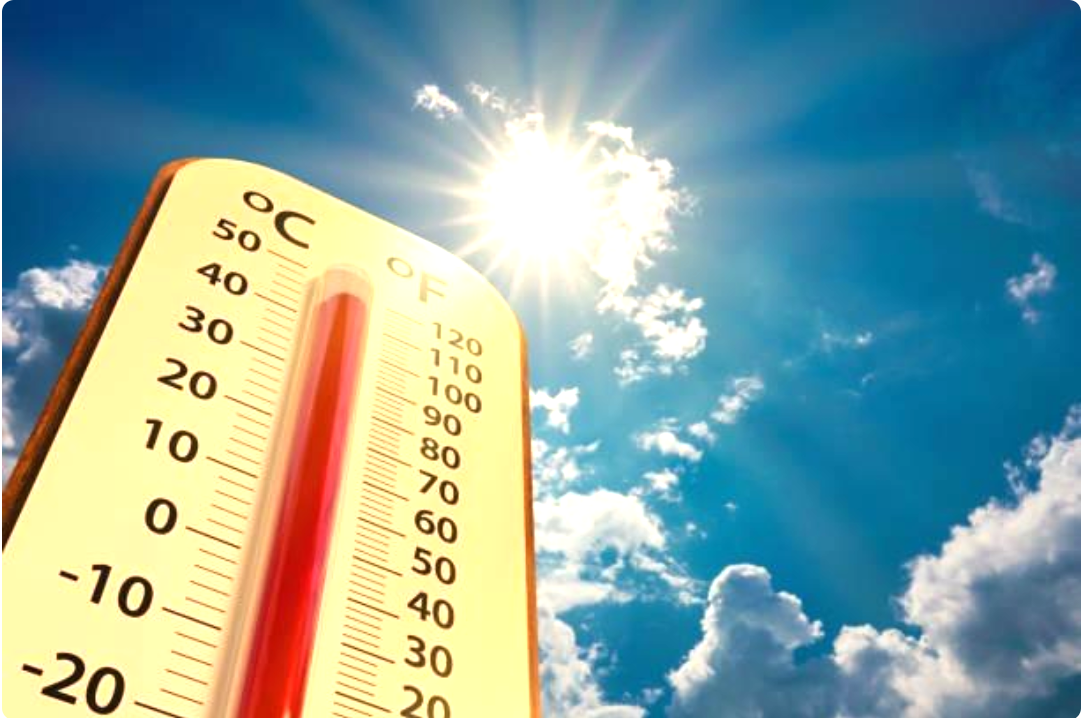
































August 2026 was the hottest month ever recorded worldwide, as global temperatures reached levels that scientists say may not have been experienced by humans for at least 100,000 years.

According to the European Union’s Copernicus Climate Change Service (C3S), the global average temperature reached 16.96°C in August. This was 0.85°C above the average recorded between 1991 and 2020, making the month the hottest since global temperature records began in 1940.
The record heat affected communities across several parts of the world. From New York and Tokyo to Rome and New Delhi, people faced extreme temperatures that disrupted daily activities and increased health risks.
Meanwhile, people who are more vulnerable to heat, outdoor workers and holidaymakers along coastlines faced some of the greatest risks.
READ ALSO: Police arrests people pretending to be REG staff
August 2026 Sets New Global Temperature Record
The August record came after several months of unusually high temperatures around the world.
Copernicus reported that August 2026 had a global average temperature of 16.96°C. The figure narrowly surpassed the previous record set in July 2023, when the global average reached 16.95°C.
Although the difference between the two months was only 0.01°C, scientists say the new record highlights the continued rise in global temperatures.
Samantha Burgess, a climate scientist at the European Centre for Medium-Range Weather Forecasts (ECMWF), described the latest figures as a major warning about the changing climate.
She said, “It is possible that humans have never experienced temperatures like these in at least the past 100,000 years.”
The statement underlines the unusual nature of the current warming trend. Scientists use several climate indicators to compare present-day temperatures with conditions in the distant past.
READ ALSO: Artificial Intelligence solves a math problem that had stumped the world

Summer 2026 Among the Hottest Periods on Record
The record did not come in isolation. Climate scientists said the period from June to August 2026 was among the hottest periods ever recorded worldwide.
Furthermore, several indicators suggest that the three-month period could have been the hottest in the past 125,000 years.
As a result, the summer has added to concerns about the growing frequency and intensity of extreme heat events. Such conditions can affect public health, agriculture, water supplies and daily economic activities. However, the impacts were not limited to one region.
READ ALSO: How a Gabonese MP Ended Up Assaulting a RwandAir Employee in Kigali
Western Europe Faces Prolonged Extreme Heat
Western Europe experienced several successive periods of extreme heat during the summer.
According to Copernicus, the heat arrived earlier and lasted longer than usual. The agency said the region experienced its most severe heat conditions on record.
In addition, the intensity of the heat exceeded that of the major 2003 heatwave, one of Europe’s most severe heat events in recent decades.
France, the United Kingdom and Belgium were among the countries affected by the extreme temperatures.
Health authorities in the three countries reported that more than 30,000 people died from the effects of extreme heat.
The latest figures therefore add to growing concerns over the human cost of rising temperatures and highlight the need for stronger measures to protect people from extreme heat.
READ ALSO: Rwamagana: Fire Outbreak Severely Damages REG Electrical Equipment Warehouse