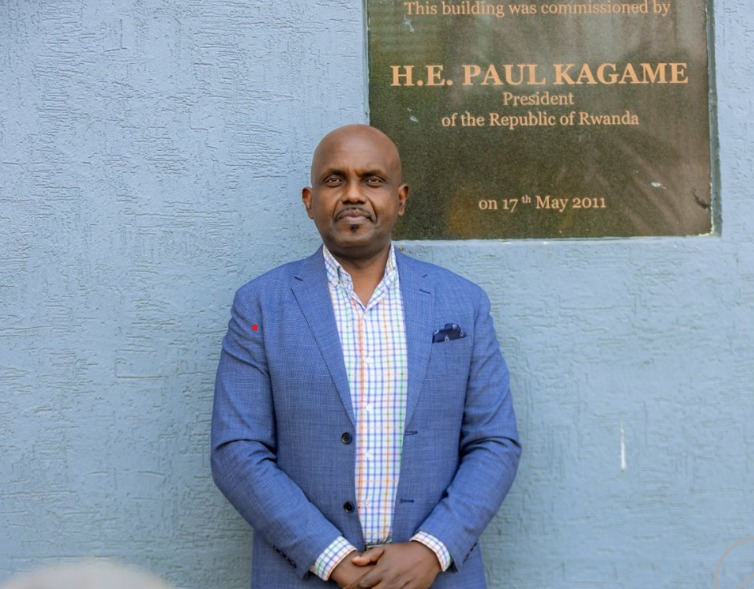


















The spokesperson for the Rwandan Judiciary, Harrison Mutabazi, has announced that the country’s restorative justice policy has produced encouraging results within just 10 months of implementation.

By the end of the 2025/2026 judicial year, more than 4,000 cases had been resolved through the restorative justice approach, which emphasizes reconciliation and repairing harm rather than punishment alone.
## Plea Bargaining Policy Resolves More Than 36,000 Cases
Mutabazi also highlighted the success of the plea bargaining policy, which has been in use in Rwandan courts for more than four years.
The system, which allows agreements between prosecutors and accused persons under the supervision of the courts, has resulted in the resolution of more than 36,000 cases, helping to improve the efficiency of the justice system.
J udges Receive Training to Strengthen Policy Implementation
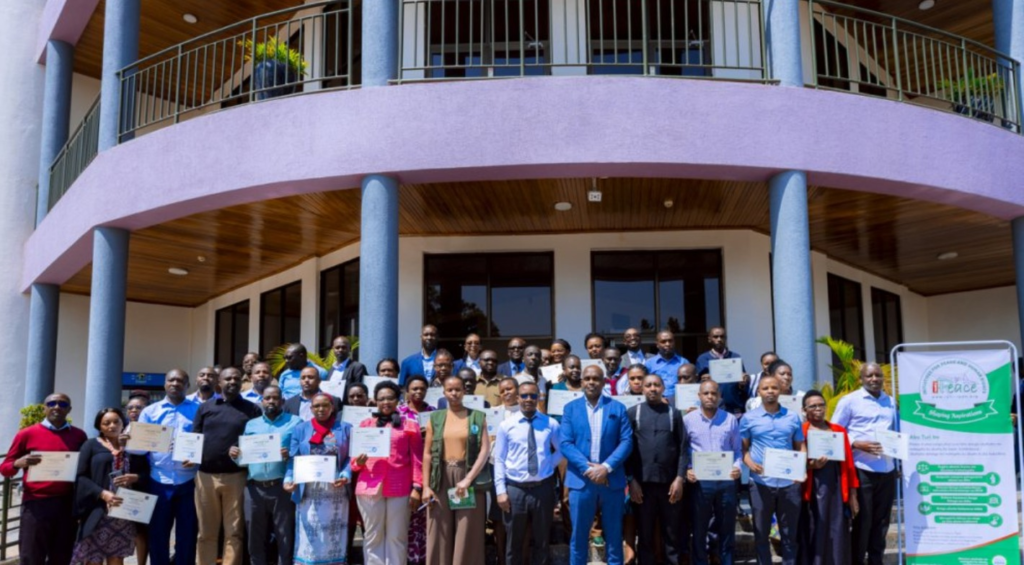
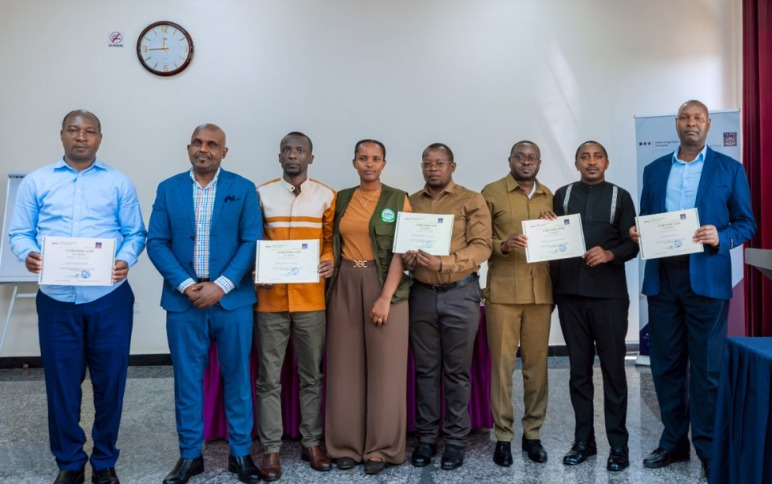
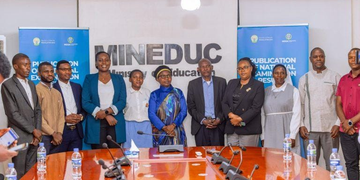
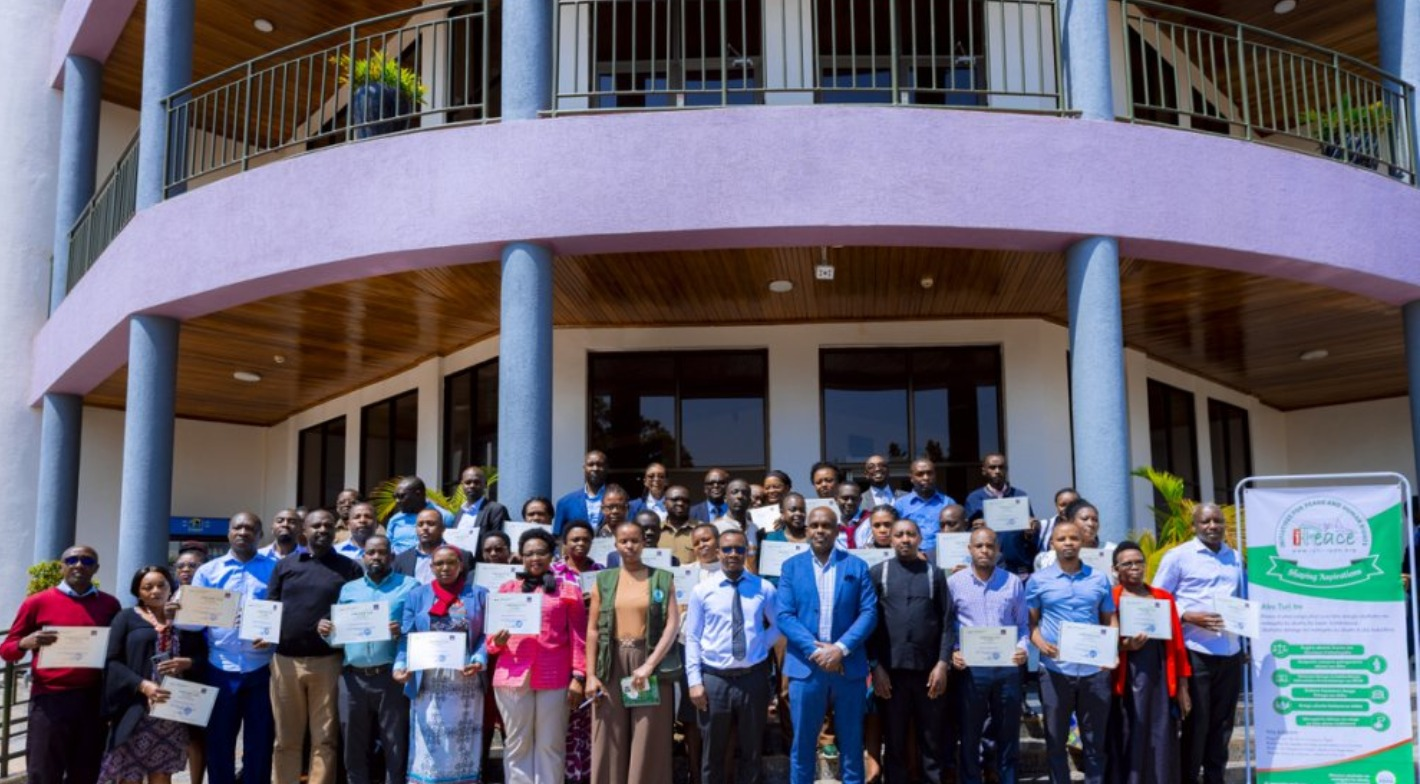
The remarks were made at the conclusion of a training program for judges organized by the Institute of Legal Practice and Development (ILPD), aimed at strengthening the implementation of both restorative justice and plea bargaining.
According to Mutabazi, while the two policies have already produced measurable results, additional efforts are needed to achieve the judiciary’s long-term objectives.
He said, “This training is timely because we are implementing these policies but we have not reached where we want to because it is a journey. We consider the trainees as a revolution for the courts to implement these policies.”
Judiciary Intensifies Monitoring to Improve Performanc e
Mutabazi explained that the Judiciary has established a continuous monitoring system to ensure that the two policies are effectively implemented across all courts.
He said reports are reviewed daily, weekly and monthly to track the performance of every court and encourage consistent implementation.
The monitoring process is intended to improve productivity and ensure that no court falls behind in adopting the new justice approaches.
Judges Call for Greater Consistency in Court Decisions
Judge Rurangwa Meshack of the Ngoma High Court, one of the participants in the training, said the sessions had helped judicial officers adopt a common approach when handling cases.
He said, “We have come together here to try to do things in a uniform way because that was the challenge we were facing. It used to be that the Prosecutor would approve agreements without first examining them carefully, now these are things that we must pay close attention to and do in a uniform way.”
He added that applying the policies consistently will help strengthen peace and public confidence in Rwanda’s justice system.
More Than 500 Legal Professionals to Benefit from Training
The ILPD training program has now reached its fifth phase and has brought together judges, prosecutors, lawyers and Judicial Police officers from across the country.
Once completed, the initiative is expected to have trained more than 500 legal professionals on restorative justice and plea bargaining, further strengthening the capacity of Rwanda’s justice sector to deliver efficient, fair and people-centered justice.