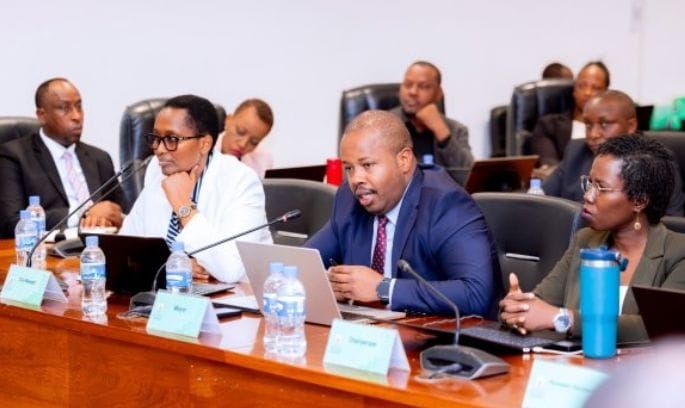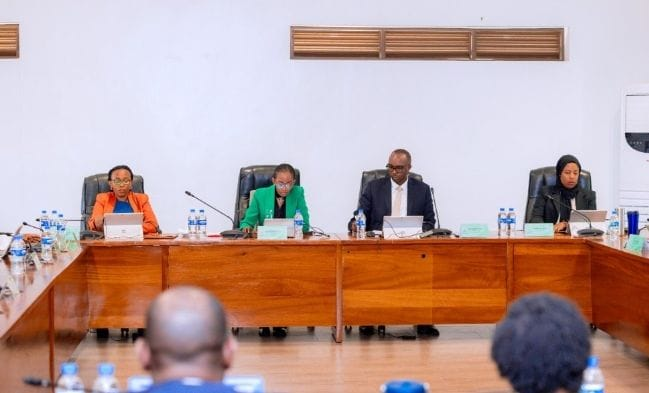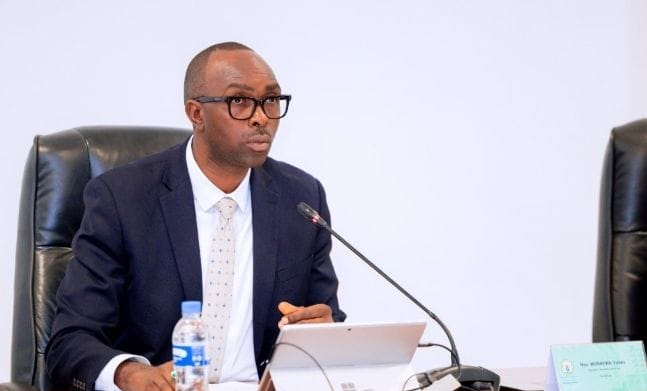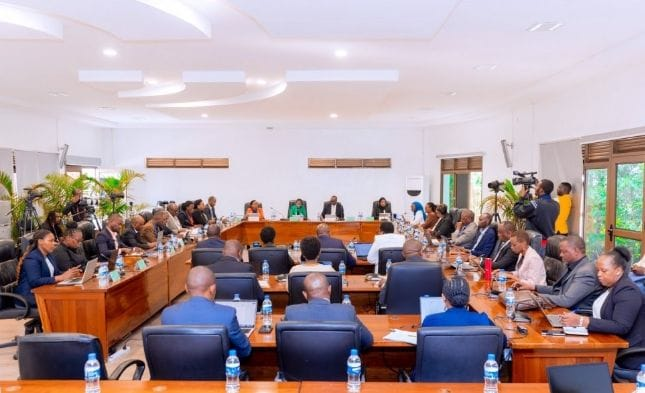















Kigali Infrastructure Project delays dominated a three-hour hearing before Parliament’s Public Accounts Committee (PAC), where City of Kigali officials explained that funding shortages, contractor disputes, and rising construction costs had slowed major road projects and delayed reimbursements to residents who contributed under a cost-sharing road construction scheme. The committee also questioned the quality of affordable housing built for vulnerable families after several defects were identified.

Residents Waited Up to 900 Days for Road Project Reimbursements
The Auditor General’s report revealed that residents who contributed more than Rwf1.8 billion toward jointly funded road construction projects waited between 500 and 900 days to be reimbursed by the City of Kigali.
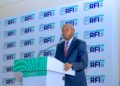
Appearing before PAC on July 2, 2026
nowledged that the first phase of the programme faced serious financial planning challenges.
He explained that reimbursement delays resulted mainly from insufficient budget allocations, adding that the city has since revised the framework governing road projects implemented through cost-sharing with residents.
PAC member Liliane Umutesi questioned whether residents who had already contributed funds would still benefit under the revised policy.
Mayor Dusengiyumva responded that consultations had been held with residents who formally submitted applications, noting that construction costs had increased considerably due to inflation. He added that Kigali City will communicate annually which road projects will be implemented and which will be postponed to future financial years.
Kigali Infrastructure Project Scaled Down After Funding Shortfall
The Kigali Infrastructure Project (KIP) was initially designed to construct 215 kilometres of paved roads across the capital through six implementation phases.
However, City Manager Stella Kabahire told PAC that the city secured only 58 percent of the estimated $404 million required for the project.
As a result, authorities reduced implementation to the first two phases, completing only 88 kilometres before the project was suspended in March 2024 after reaching just 21.3 percent completion.
She also said contractual disputes with the original contractor forced Kigali City to terminate the agreement and begin recruiting a replacement contractor, while some completed roads still require finishing works.
Several major roads remain incomplete, including the Miduha–Mageragere, Sonatubes–Nyakabanda–Alpha Palace, Busanza–Muyange, Rusororo–Gasogi, Kagugu–Vision City–Utexrwa, Rugenge–Muhima Hospital–Nyabugogo, and Remera–Baho roads.
PAC Questions Defects in Affordable Housing Projects
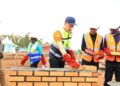
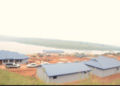
Committee members also examined affordable housing projects constructed for vulnerable families, particularly 50 housing units built in Busanza.
Although the homes were handed over to beneficiaries in November 2025, inspections later identified several shortcomings, including non-functional fire water systems and missing fire extinguishers.
Kabahire explained that Kigali City oversees seven model villages across the city’s three districts and remains responsible for maintaining public infrastructure within those settlements.
She said the city has retained contractors to repair structural defects, damaged water systems, doors, and other infrastructure requiring technical intervention.
Lawmakers Demand Better Oversight of Contractors
PAC Chairperson Valens Muhakwa questioned whether responsibility for maintaining the houses was being unfairly transferred to vulnerable beneficiaries instead of contractors.
He argued that residents should only handle routine maintenance, while contractors should remain accountable for correcting construction defects.
Director General of Public Works Gerard Abiyingoma told the committee that each district has dedicated officers responsible for monitoring model villages through monthly inspections to identify maintenance needs before problems worsen.
City Says Corrective Measures Are Underway
Kigali City officials assured lawmakers that most of the defects highlighted by the Auditor General have already been addressed.
They said the city continues working with maintenance contractors to repair newly identified problems while strengthening project supervision to improve the quality of future infrastructure projects.
Officials also emphasized that lessons learned from the Kigali Infrastructure Project delays have prompted reforms in project planning, financing, contractor management, and communication with residents participating in cost-sharing initiatives.