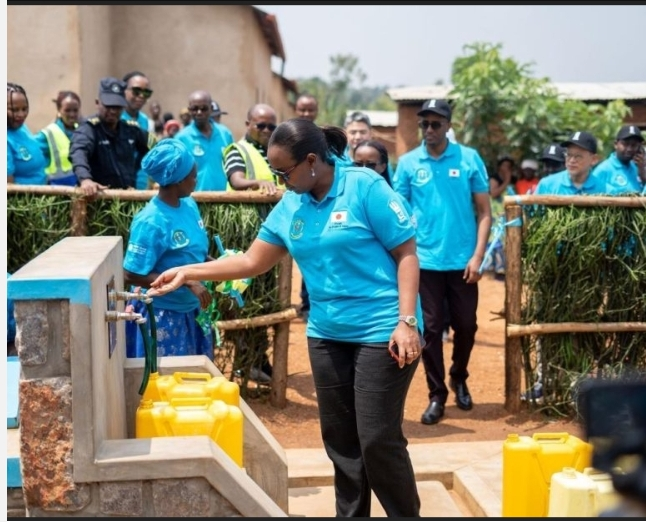











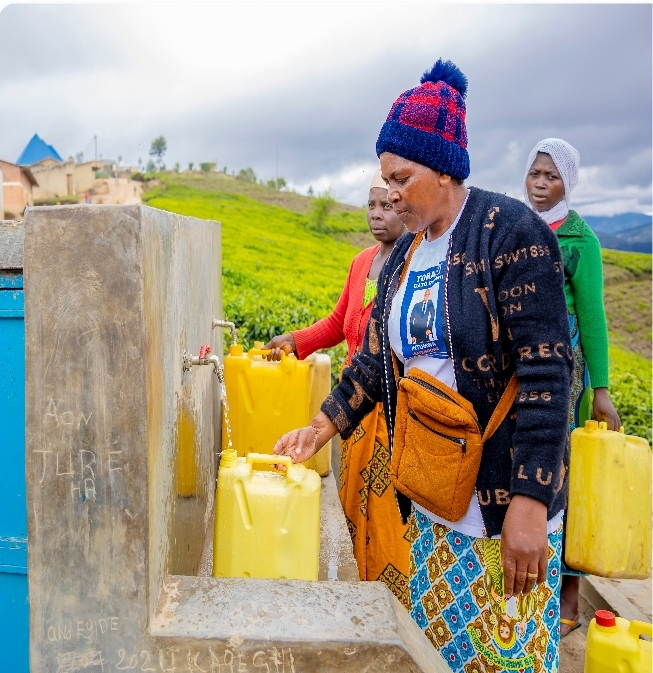
Rwanda earmarked Rwf 138.3 billion in its proposed 2026/2027 national budget to accelerate water, sanitation and hygiene (WASH) initiatives. Officials say the move will transform access to clean water and modern sanitation across the country. Minister of Finance and Economic Planning, Yusuf Murangwa, announced the plan in Parliament.

ALSO READ: President Kagame hosts Togo President Gnassingbé for bilateral talks in Kigali
He emphasized that the investment will run through 2028/2029 as part of Rwanda’s long‑term goal to achieve universal access to safe water. “We will continue rehabilitating pipelines, expanding treatment plants and extending distribution networks to ensure every household enjoys reliable services,” Murangwa told lawmakers.
Addressing Water Shortages and Expanding Capacity
ALSO READ: Tanzania’s President Samia Suluhu Hassan Arrives in Kigali for Africa Nuclear Energy Summit
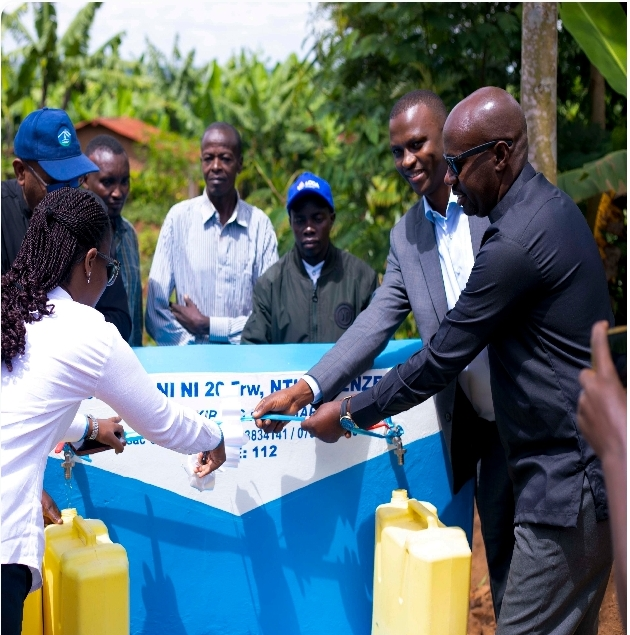
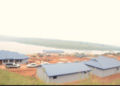
Persistent water shortages affect Kigali and other regions, where residents often endure days without running water, especially during dry seasons. The government hopes flagship projects such as the Kanzenze Water Treatment Plant in Bugesera, expected to add 40,000 cubic metres of water daily, will help close Kigali’s 60,000 cubic metre deficit.
ALSO READ: Six PGGSS Champions Confirmed for National Music Tour
In Eastern Province, the Karenge Water Treatment Plant in Rwamagana will expand from 12,000 to 48,000 cubic metres per day, quadrupling its capacity. Beyond production, the budget also prioritises extending water distribution networks and repairing ageing infrastructure in rural communities.
Sanitation Projects and National Budget Goals
Rwanda will continue developing the Nduba Sanitary Landfill and the Kigali Centralized Sewerage System. These projects aim to modernize solid waste and wastewater management in the capital. The WASH allocation forms part of Rwanda’s proposed Rwf 7,796.3 billion national budget for 2026/2027.
The budget underscores infrastructure development and service delivery. Officials say these investments will bring Rwanda closer to its NST2 target of universal access to safe, affordable water and improved sanitation.