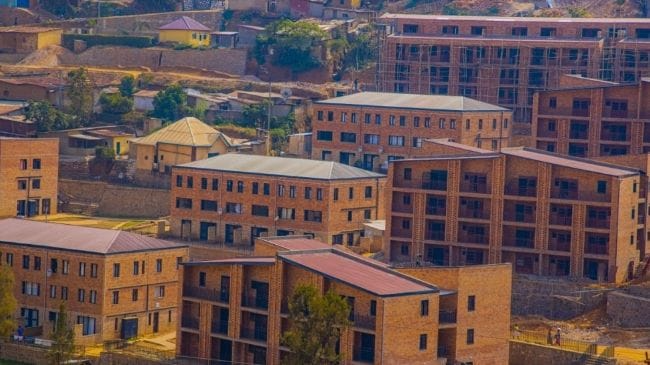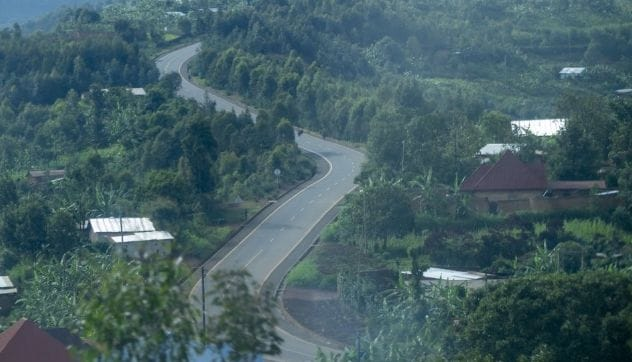






















Thirty-two years after Rwanda’s Liberation and the end of the 1994 Genocide against the Tutsi, the country has undergone a remarkable transformation. From rebuilding shattered institutions and restoring public trust to improving healthcare, education, infrastructure, and the economy, Rwanda has steadily reshaped the quality of life for its citizens.

A comparison of national data from 1992, 2000, and 2025 highlights the scale of this progress. Across nearly every major indicator, life for Rwandans today is markedly different from what it was three decades ago.Rwanda’s transformation over the past 32 years
ALSO READ: https://agaciropress.com/trump-pledges-support-to-putin-in-search-for-ukraine-war-solution/
Population Growth Reflects Recovery and Stability
In 1992, Rwanda’s population stood at approximately 7.2 million people, making it one of Africa’s most densely populated countries, with about 270 people per square kilometre. At the time, the annual population growth rate was 3.2 percent.
Although the 1994 Genocide against the Tutsi claimed the lives of more than one million people, the country’s population recovered rapidly as many Rwandans who had fled returned home after the genocide was stopped.
According to the 2000 Demographic and Health Survey (DHS), Rwanda’s population had reached 7.6 million, growing at an annual rate of 2.8 percent.
By 2025, figures from the National Institute of Statistics of Rwanda (NISR) showed the population had nearly doubled to 14.1 million, up from 13.2 million in 2022, with the annual growth rate moderating to 2.3 percent.
Electricity and Clean Water Reach Millions More Households
Access to essential services has improved dramatically over the past three decades.
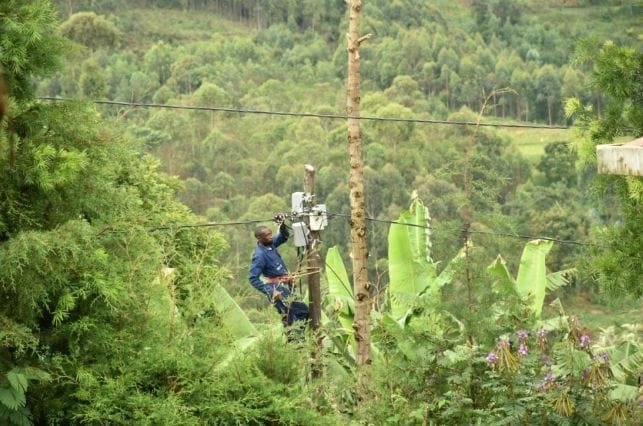
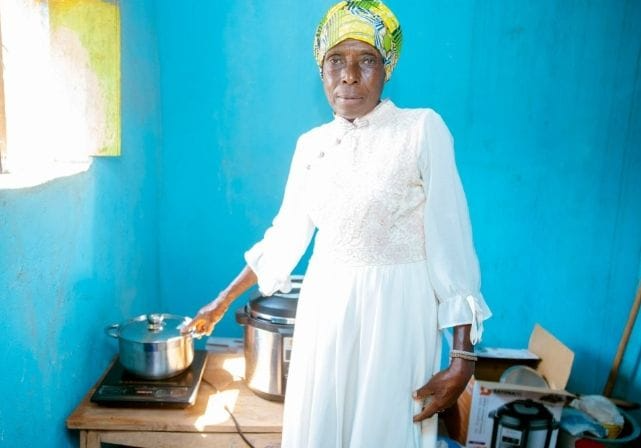
In 1992, only 2.3 percent of Rwandans had access to electricity. That figure rose modestly to 6 percent in 2000 before reaching 75 percent by 2025. More than half of those households 54 percent are now connected to the national electricity grid.
Clean water access has followed a similar trajectory.
In 1992, only 1.7 percent of households had piped water inside their homes, while 20.8 percent relied on public water taps. Most families depended on rivers, springs, and other untreated water sources.
By 2000, households with piped water had increased slightly to 1.9 percent, while reliance on public water points rose to 29.1 percent.
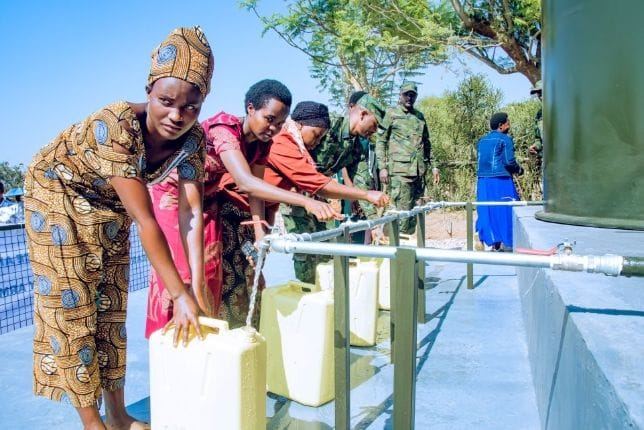
Today, 24 percent of households have piped water in their homes, while 44 percent can access clean water from public taps located within a 30-minute round trip.
ALSO READ: https://agaciropress.com/rwanda-defence-force-unveils-new-uniform-symbols-and-insignia/
Healthcare Sees One of Rwanda’s Greatest Transformations
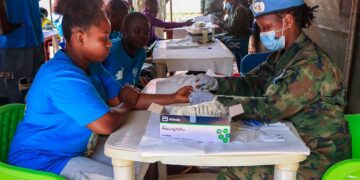
Few sectors demonstrate Rwanda’s progress more clearly than healthcare.
In 1992, more than 73 percent of women gave birth at home, and one in every five babies was delivered without the assistance of a trained health professional.
The situation had changed little by 2000, when about 73 percent of births still occurred at home. Women aged 35 and above accounted for the highest proportion of home deliveries, at 82 percent.
By 2025, however, 98 percent of women were giving birth in health facilities, with only 2 percent delivering outside a medical facility.
Healthcare improvements have also contributed to a dramatic reduction in child mortality.
Before 1992, approximately 150 children out of every 1,000 live births died before reaching the age of five. By 2000, the under-five mortality rate had fallen to just over 100 deaths per 1,000 live births.
In 2025, Rwanda had reduced that figure to just 27 deaths per 1,000 live births.
Life expectancy has also increased substantially, rising from just over 44 years in 1992 to 47 years in 2000, before reaching 69.6 years in 2025.
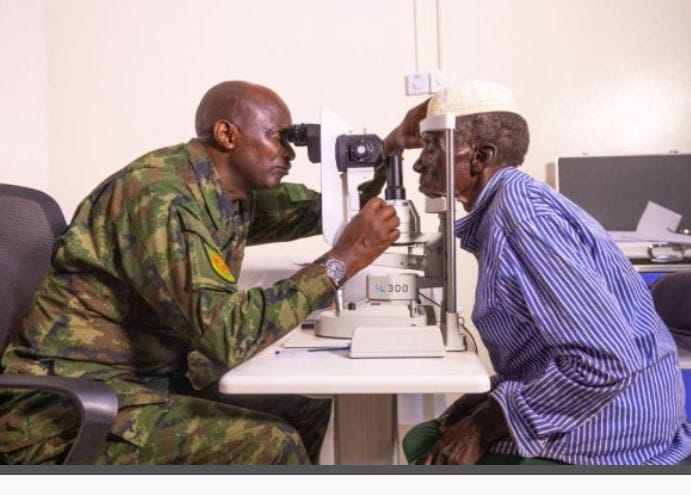
Beyond these gains, Rwanda’s healthcare system now performs advanced medical procedures, including heart surgery and organ transplants such as kidney transplantation services that were once unavailable in the country.
Education Levels Continue to Improve
The education sector has also recorded significant progress.
In 1992, only 25.8 percent of women under the age of 49 had completed primary school, compared with 56.2 percent of men.
By 2000, 72.2 percent of the population had completed primary education.
In 2025, 38 percent of women and 40 percent of men under 49 had completed primary education. While these figures appear lower than the 2000 measure because of differences in reporting and expanding education pathways, they also reflect the growing number of Rwandans progressing beyond primary school into secondary and higher education.
Economic Growth Supports Rising Living Standards
Economic indicators point to a steadily improving standard of living. In 1992, Rwanda’s Gross National Income (GNI) per capita stood at approximately US$270, while about 91 percent of the population depended on agriculture for their livelihoods.
By 2000, annual income per capita was estimated at US$250, with agriculture still employing 91 percent of the workforce as the country recovered from the devastation of the genocide.
By 2025, annual income per capita had increased to approximately US$1,040. At the same time, the share of the population relying primarily on agriculture had fallen to 65 percent, reflecting Rwanda’s ongoing economic diversification into industry and services.
A Transformation Still in Progress
The data from the 1992, 2000, and 2025 Demographic and Health Surveys tell the story of a country that has made significant strides in improving the lives of its people.
From expanding access to electricity and clean water to reducing child mortality, increasing life expectancy, strengthening healthcare, improving education, and raising incomes, Rwanda has recorded measurable progress across nearly every major development indicator.
While challenges remain and the journey toward sustainable development continues, the country’s long term vision is outlined in the Second National Strategy for Transformation (NST2) and Vision 2050. Together, these frameworks aim to sustain inclusive economic growth, further improve living standards, and guide Rwanda toward achieving high-income status in the decades ahead.