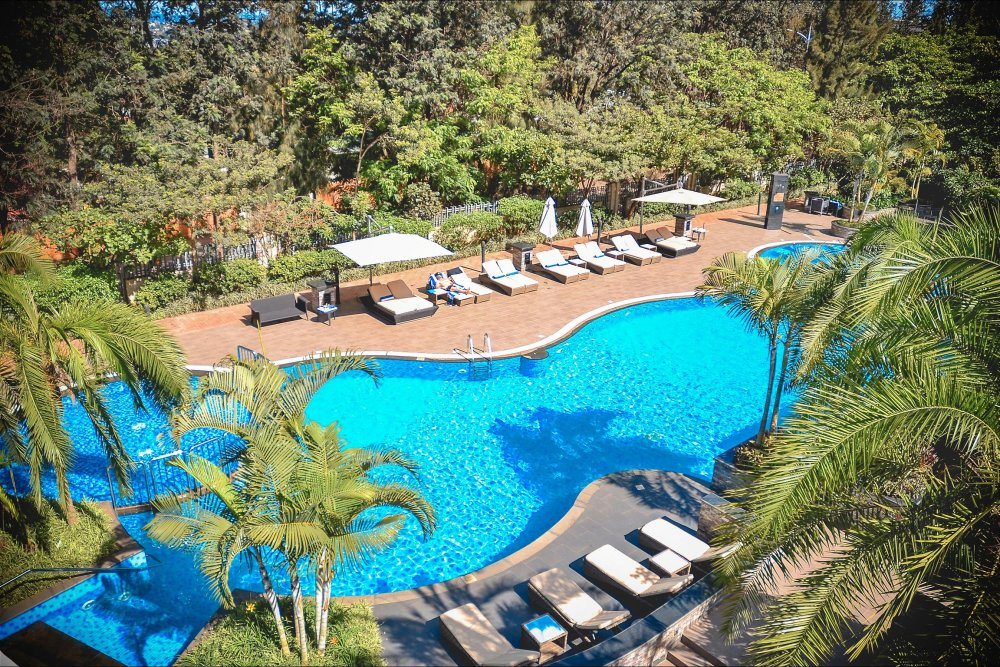



















Talking about tourism while forgetting hotels is like making tea without sugar. The tea can still be drunk, but only as a last resort. This is because after visiting a country’s tourist attractions, travellers need comfortable places to rest and access quality services.

Rebuilding After the Genocide
Thirty-two years after the Genocide against the Tutsi, Rwanda’s Government of National Unity has made significant efforts to rebuild the country from scratch. Over the years, both the tourism and hospitality sectors have experienced remarkable growth.
Expansion of Hotel Capacity
The Chief Executive of the Tourism Chamber at the Rwanda Private Sector Federation (PSF), Jackson Hakiza, told IGIHE that the sector has expanded considerably, with the number of hotel rooms reaching 27,938, serving guests across different parts of the country.
ALSO READ: India: Officer Cadets Elie Ndagijimana and Fils Niyikiza Graduate from IMA
This represents substantial growth, as more than 11,000 rooms have been added over the past five years, bringing the total to 16,158 rooms. “The sector has developed significantly, and we will continue contributing to its growth because it plays a major role in Rwanda’s economy,” Hakiza said.
ALSO READ: Minister Nelly Mukazayire Launches 21st Kigali International Peace Marathon
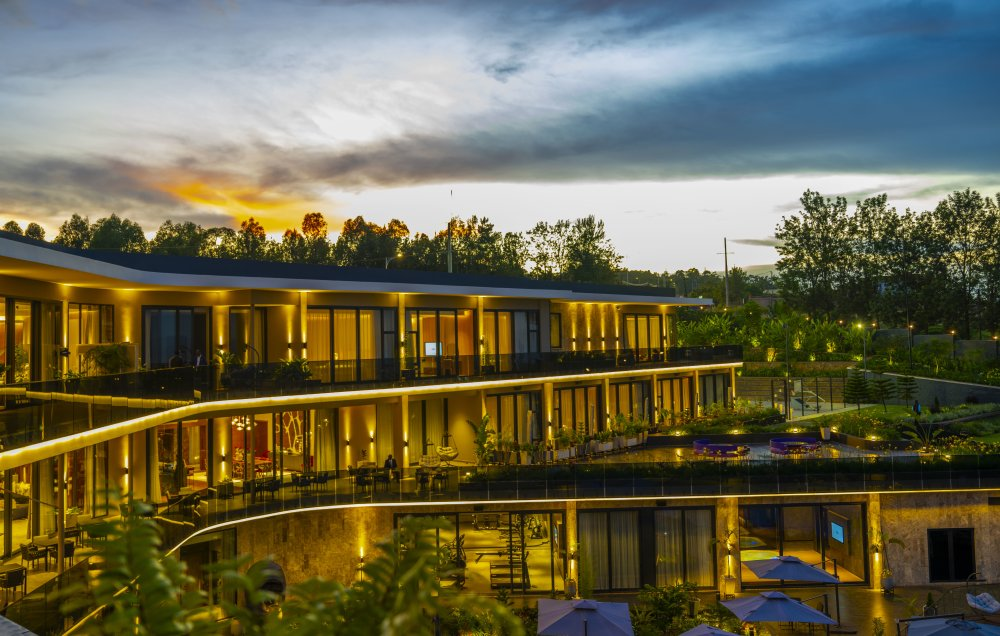
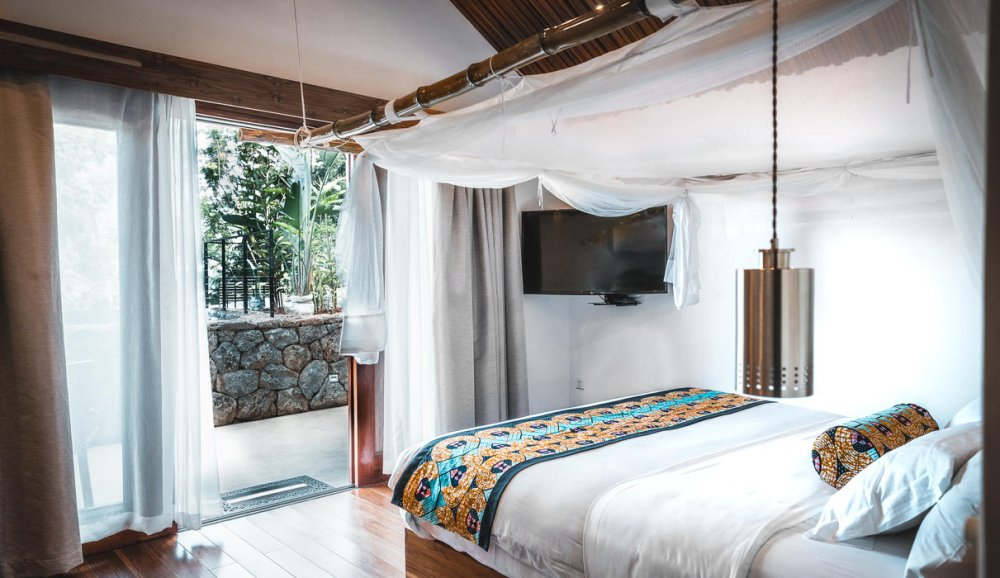
These rooms are spread across 1,667 hospitality establishments providing accommodation services. Rwanda currently has nine five-star hotels.
Rwanda’s Five-Star Hotels
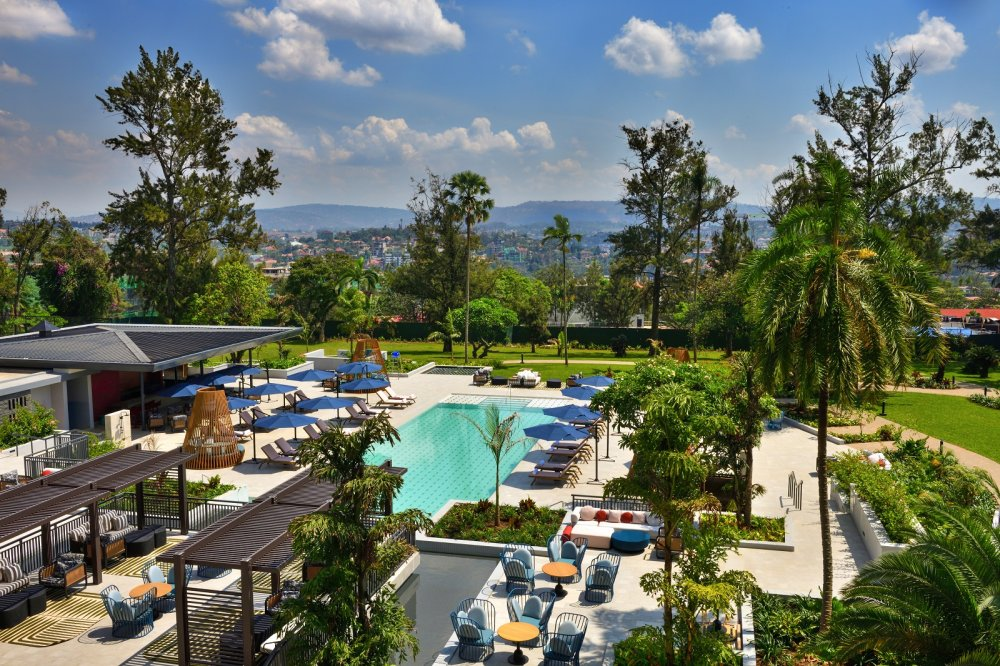
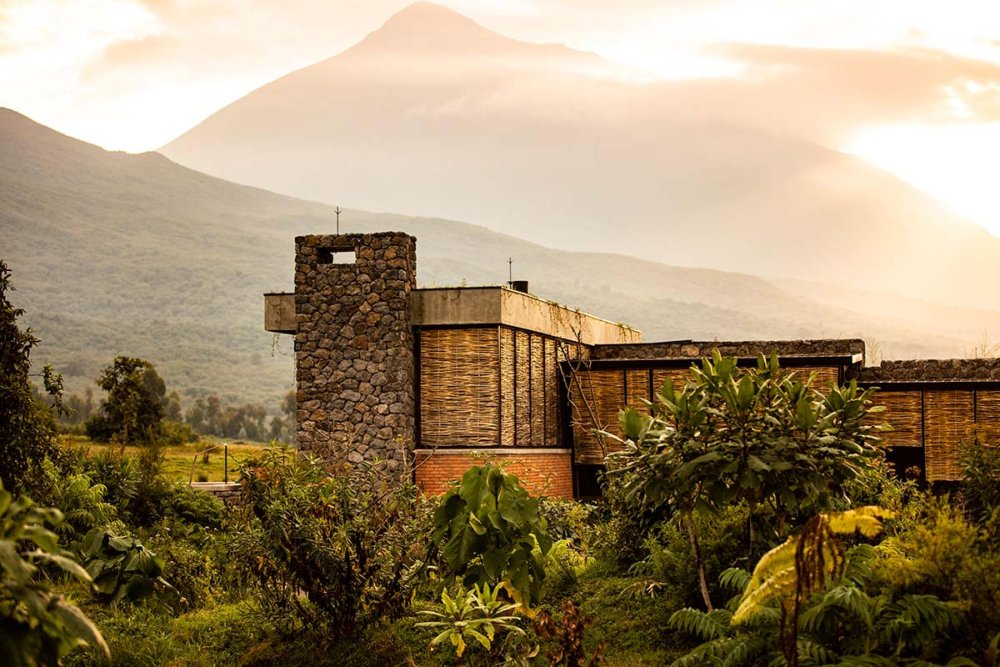
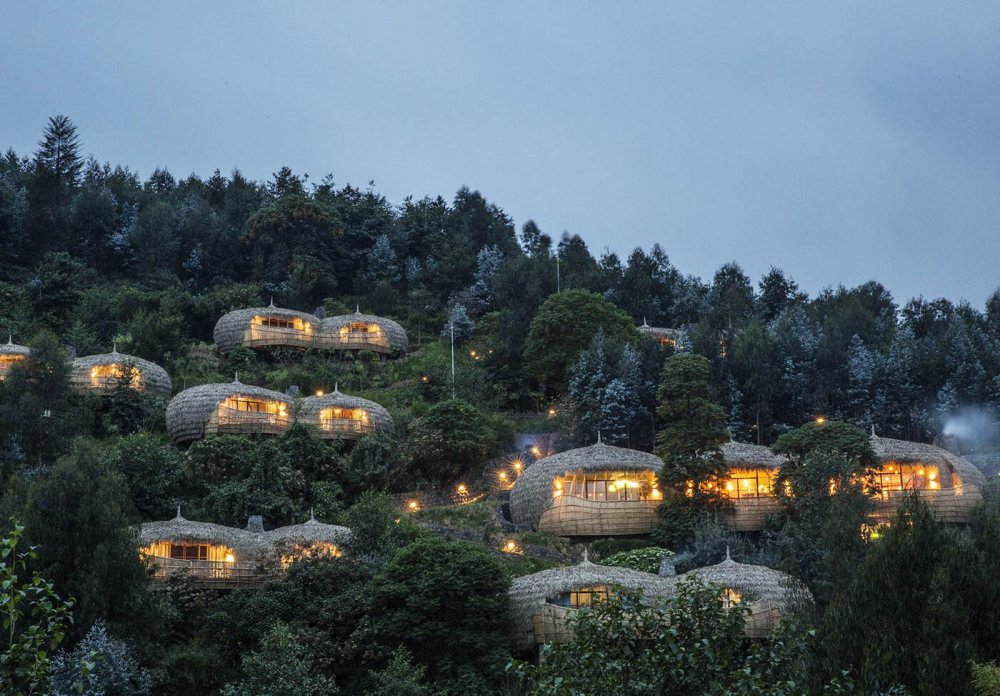
Among them is Bisate Eco Lodge, located in Kinigi, Musanze District, near Volcanoes National Park. Developed by Wilderness Safaris, it was officially inaugurated by President Paul Kagame on September 1, 2017.
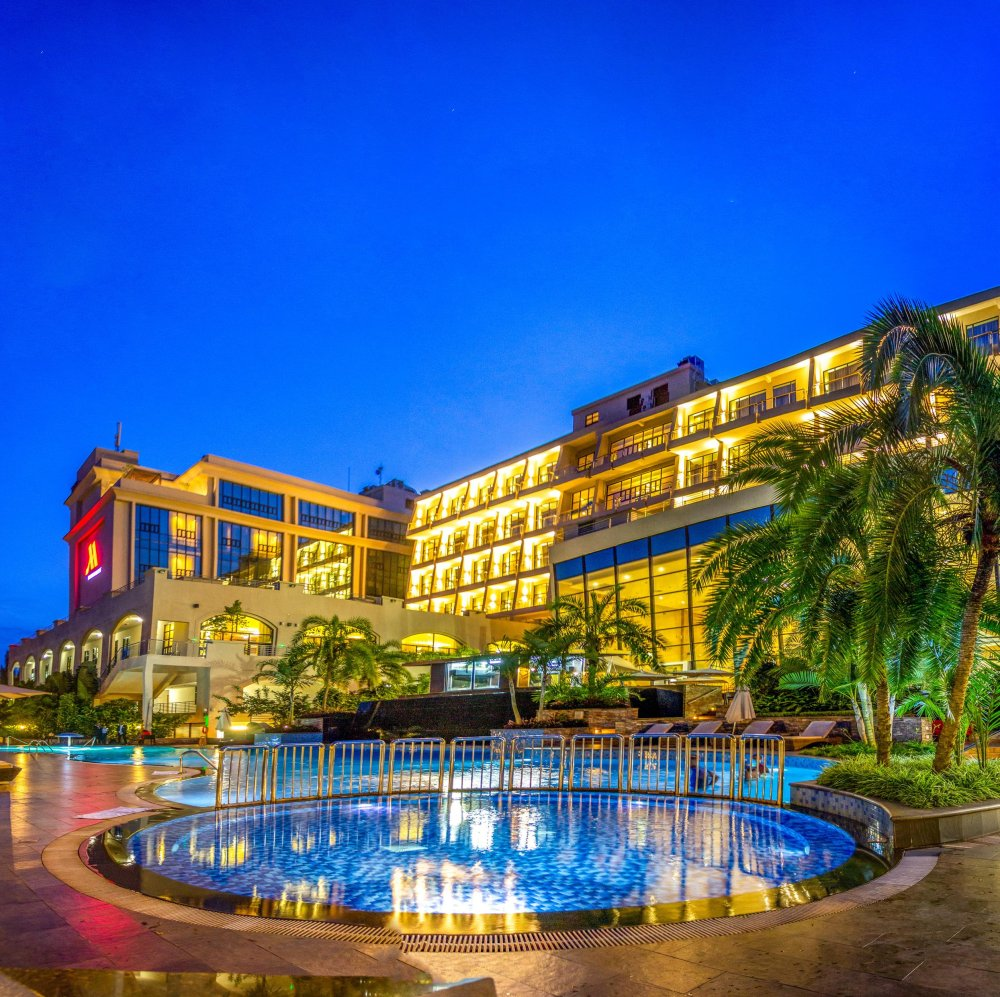
Another is the Kigali Marriott Hotel, officially opened on October 4, 2016, in the heart of Kigali. The hotel features 250 rooms, including presidential-level suites.
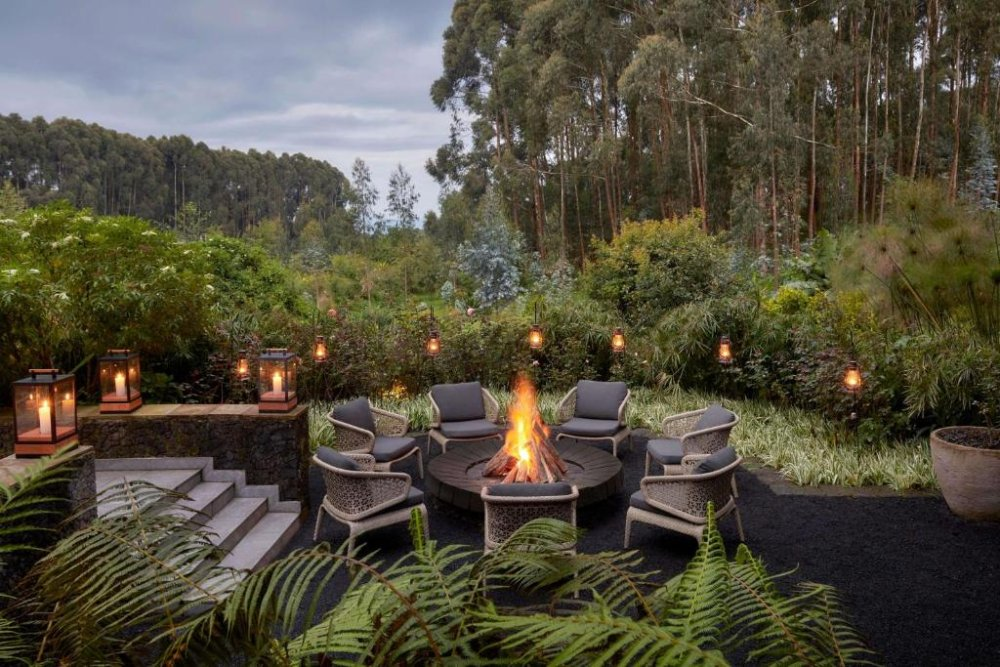
Other five-star establishments include Magashi Camp in Akagera National Park, built in 2018 in Rwanda’s Eastern Province, and One&Only Nyungwe House, established in 2010 within Nyungwe National Park.
Also among Rwanda’s top-rated hotels is One&Only Gorilla’s Nest in Kinigi, inaugurated by President Kagame in February 2020. The luxury lodge features 21 modern rooms and seven standalone villas.
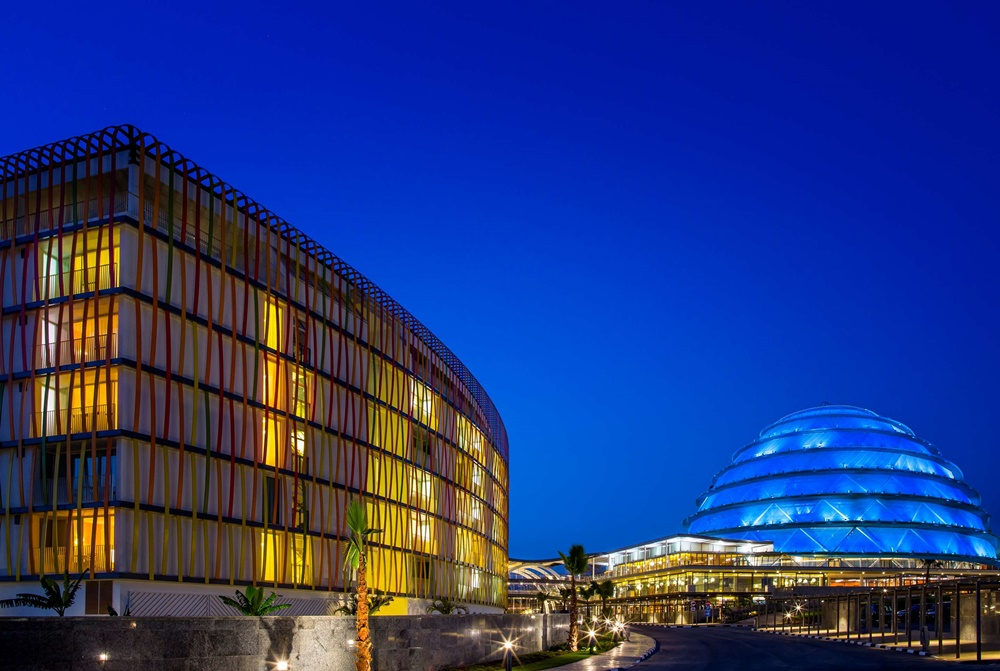
Radisson Blu Hotel & Convention Centre, located in Kimihurura, Kigali, was inaugurated alongside the Kigali Convention Centre, both carrying five-star status. Rwanda also boasts Singita Kwitonda Lodge in Musanze, developed by the renowned tourism company Singita at a cost of $20 million.
The Retreat by Heaven, another five-star hotel, opened in 2011. Founded by American entrepreneurs Josh and Alissa Ruxin, who have Israeli roots, the boutique hotel is located in Kiyovu and features 20 rooms.
In addition, Rwanda has 22 four-star hotels and 66 three-star hotels.
Tourism Revenues and Visitor Growth
These establishments continue to play a vital role in boosting tourism revenues by accommodating visitors and encouraging further investment.
In 2025, Rwanda generated $685 million in tourism revenues, up from $647 million in 2024, representing a 6% increase.
The number of visitors rose by 9%, reaching 1.49 million people. Many visited Volcanoes National Park, famous for its mountain gorillas, as well as other national parks.
Revenue from meetings, conferences, exhibitions, and events reached $94.7 million in 2025, compared to $84.8 million in 2024, marking an 11% increase. Rwanda hosted 165 regional, continental, and international events in 2025, with participants accommodated in hotels across the country.
“We have continued to make progress, and the figures clearly demonstrate it,” Hakiza said. “The growth in tourism revenues shows a positive trend that is not reversing. This indicates that the sector continues to contribute significantly to the national economy through job creation and the attraction of international investment.”
Employment Impact
Under the government’s Second National Strategy for Transformation (NST2), Rwanda aims to generate $1.1 billion in tourism revenues by 2029.
The tourism sector is also a major source of employment. In 2024, it supported approximately 165,000 jobs, accounting for about 10% of all non-agricultural and non-livestock income-generating jobs.
Rwanda has set a target of creating at least 1.25 million productive jobs, with 250,000 new jobs expected annually.
Hakiza emphasised the crucial role of the private sector in achieving this goal. “The private sector has a very important role to play. While the government contributes its share, private investors are also making substantial investments because we serve visitors in many different ways. We will continue working toward the growth of this sector,” he said.
He also noted that beyond investment, private sector players actively promote Rwanda’s tourism industry through participation in forums, trade fairs, and international exhibitions.