

























Benin continues to strengthen its relationship with Rwanda, with President Romuald Wadagni recently visiting Rwanda on an official visit aimed at strengthening cooperation between the two countries.

However, not many people are familiar with this West African country, which is located nearly 3,000 kilometres from Kigali. You may be interested in visiting it, especially since RwandAir flies there.
One of the most important things to know is that Benin is a country on the Atlantic Ocean. It borders Togo to the west, Nigeria to the east, Burkina Faso and Niger to the north, and the Atlantic Ocean to the south. Its official capital is Porto-Novo, while Cotonou is the country’s economic capital.
Trade, agriculture, services and a growing industrial sector are among the main pillars of the economy of this country, which has a population of approximately 14.8 million people. The World Bank estimates Benin’s GDP at about $24.6 billion, with GDP per capita of approximately $1,658 and economic growth of 8.1% in 2025.
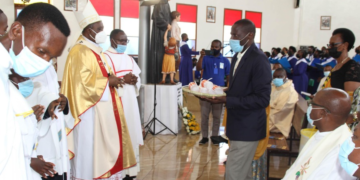
The country has a large young population and is home to people from several ethnic groups, including the Fon, who are the majority, as well as the Adja, Bariba, Dendi and Fulani. Religious beliefs include Christianity, Islam and traditional beliefs.
One of the major cultural celebrations is Vodun, observed every January 10 to celebrate Benin’s culture and traditional religious heritage. Benin has a rich history, including its connection to the slave trade that took place through the port of Ouidah. The country’s traditional customs are also among the attractions that draw tourists. Ouidah is today promoted as an important destination for history, culture and Vodun heritage.
The country was formerly colonised by France and gained independence in 1960. Because of French colonisation, French is the official language, although more than 50 indigenous languages are spoken across the country. Agriculture is a major pillar of Benin’s development, employing a significant share of the population and contributing substantially to the economy.
ALSO READ: https://agaciropress.com/september-20-events-that-happened-on-this-day-in-history/
Benin, the Home of Cotton
Cotton farming is extremely important in Benin. The country is one of Africa’s leading cotton producers. Cassava and yams are also widely available in the country. Yam is among the important crops produced in Benin and is an important part of the country’s agricultural and food culture.
Because Benin has access to the Atlantic Ocean, it has important ports through which large quantities of goods pass, including the Port of Cotonou, which is the country’s largest port.
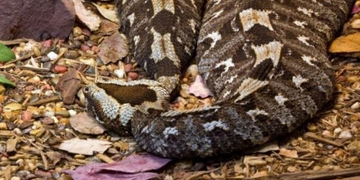
The port plays an important role in Benin’s economy and serves as a major gateway for trade. Port activities have also benefited from growing demand from Nigeria and the development of regional trade routes. There is also the Port of Ouidah, which has a history linked to the slave trade. Ouidah remains an important historical destination, with attractions including the Route of the Enslaved, the Temple of Pythons and the Kpassè Sacred Forest.
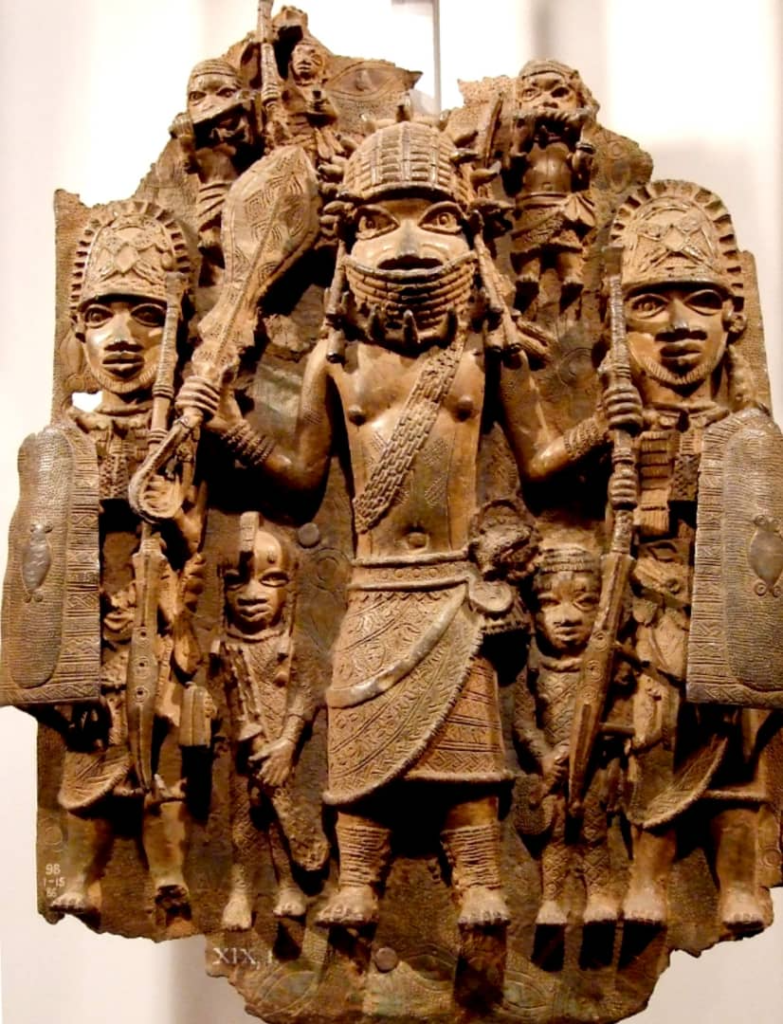
Like many other West African countries, Benin is known for its artists and numerous works of art. Some of these works depict the former Kingdom of Dahomey, while others are associated with Vodun beliefs. Vodun is a traditional practice found in West African countries including Benin, Togo and parts of Ghana. It encompasses religious beliefs, dance, traditional medicine, family and community connections, as well as various other traditional practices.
ALSO READ: https://agaciropress.com/jehovahs-witnesses-announce-change-on-blood-components/
Porto-Novo and Cotonou
Benin has two major cities: Porto-Novo, which is considered the capital, and Cotonou, the country’s largest city and economic centre. As the capital, Porto-Novo has various activities that support both residents and visitors. These include large-scale and small-scale commercial activities.
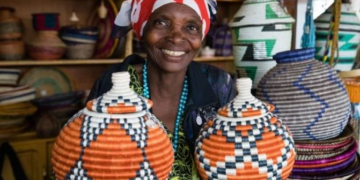
Agriculture is practised around the city, as is fishing because the city is located near the sea. The city is also known for handicrafts and transportation services, particularly those provided by zemidjans. Zemidjans are motorcycles used to transport people and goods in the city of Porto Novo.
The city also has various hotels where visitors can stay and relax, including Art Residence Hotel, Tour Eiffel Hotel Benin, Hotel Novella Planet, and several others. If you are considering visiting Benin, you do not need to worry too much about food because many foods found in the country are also common in Rwanda. These include cassava, beans, yams, rice and others.
However, you should also try other dishes such as Amiwo, which is made from a mixture of maize flour, onion, pepper, milk and garlic. Amiwo is mainly served with chicken, fish, meat or sauce. If you do not enjoy Amiwo, you can try Akassa. This is a type of food that can be compared to a soft maize-based porridge or soft maize meal. Like Amiwo, Akassa can be served with fish or chicken.
ALSO READ: https://agaciropress.com/what-to-do-after-being-bitten-by-a-snake/
Benin’s Traditional Culture and Tourism
The people of Benin entertain themselves through traditional dances and songs, including Zangbeto. These performances involve traditional drumming, dancing and singing. There is also Egungun, a form of dance in which people wear colourful costumes and cover their faces, making it difficult to identify the dancers. This dance also features numerous drums, different dances and songs.
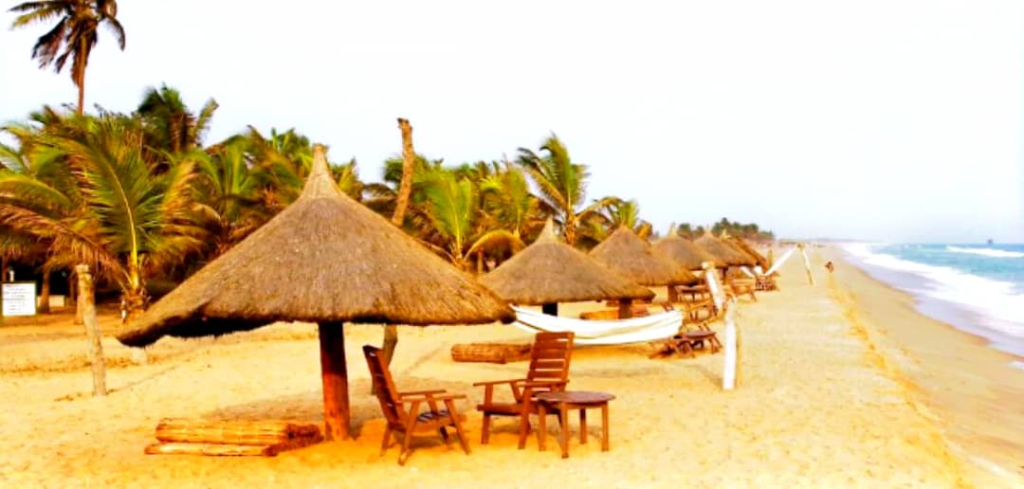
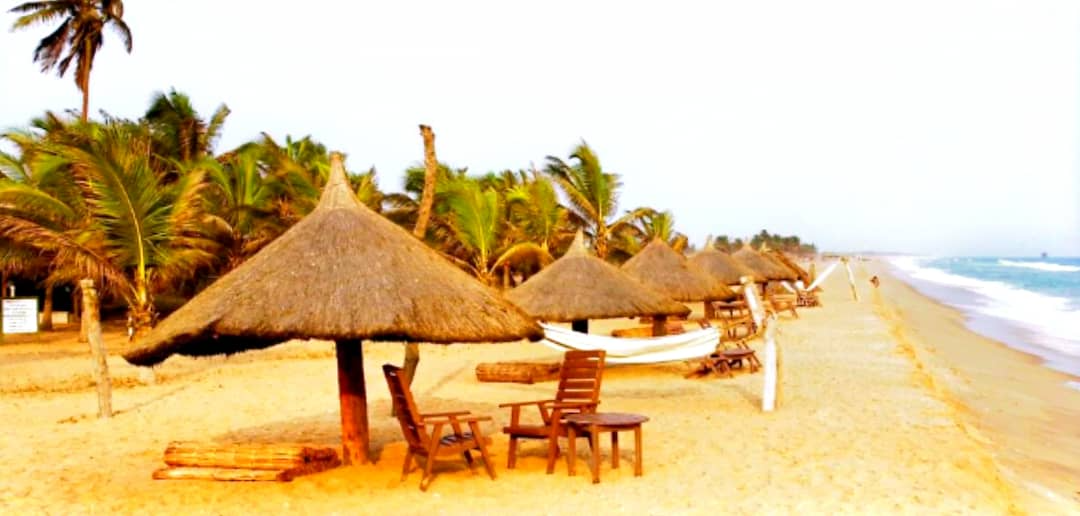
Some of the tourist attractions in Benin include the royal palaces located in Abomey, which was part of the former Kingdom of Dahomey. Festivals celebrating the Vodun tradition are also among the attractions that encourage people to visit the country. Visitors also enjoy visiting Pendjari National Park, beaches, textile and clothing-related activities, and other attractions.
Benin and Rwanda Strengthen Relations
On September 16, 2026, President of Benin Romuald Wadagni began a two-day official visit to Rwanda aimed at strengthening relations between the two countries. President Paul Kagame received Wadagni at Urugwiro Village, where the two leaders discussed strengthening existing bilateral cooperation and advancing new areas of collaboration.
The two countries already cooperate in various areas, including trade, investment, technology, agriculture, urban planning, public service reform and security. Their relationship has also included cooperation in security and other areas of mutual interest. In 2023, when President Paul Kagame visited Benin, the two sides signed 10 cooperation agreements, including an agreement to eliminate double taxation.
Wadagni’s visit was his first official visit to Rwanda as President of Benin. He had previously visited the country in 2023 as Benin’s Minister of Economy and Finance and as a special envoy of then-President Patrice Talon. President Wadagni, born on June 20, 1976, was elected President of Benin on April 12, 2026, with 94.27% of the vote according to the final results. He was sworn into office on May 24, 2026, succeeding Patrice Talon.
Before becoming President, Wadagni served as Benin’s Minister of Economy and Finance from 2016 and was promoted to Minister of State for the same portfolio in 2021. The growing engagement between Benin and Rwanda reflects cooperation in areas ranging from trade and investment to technology, security and tourism, while recent high-level visits have provided an opportunity to advance those relations further.