






























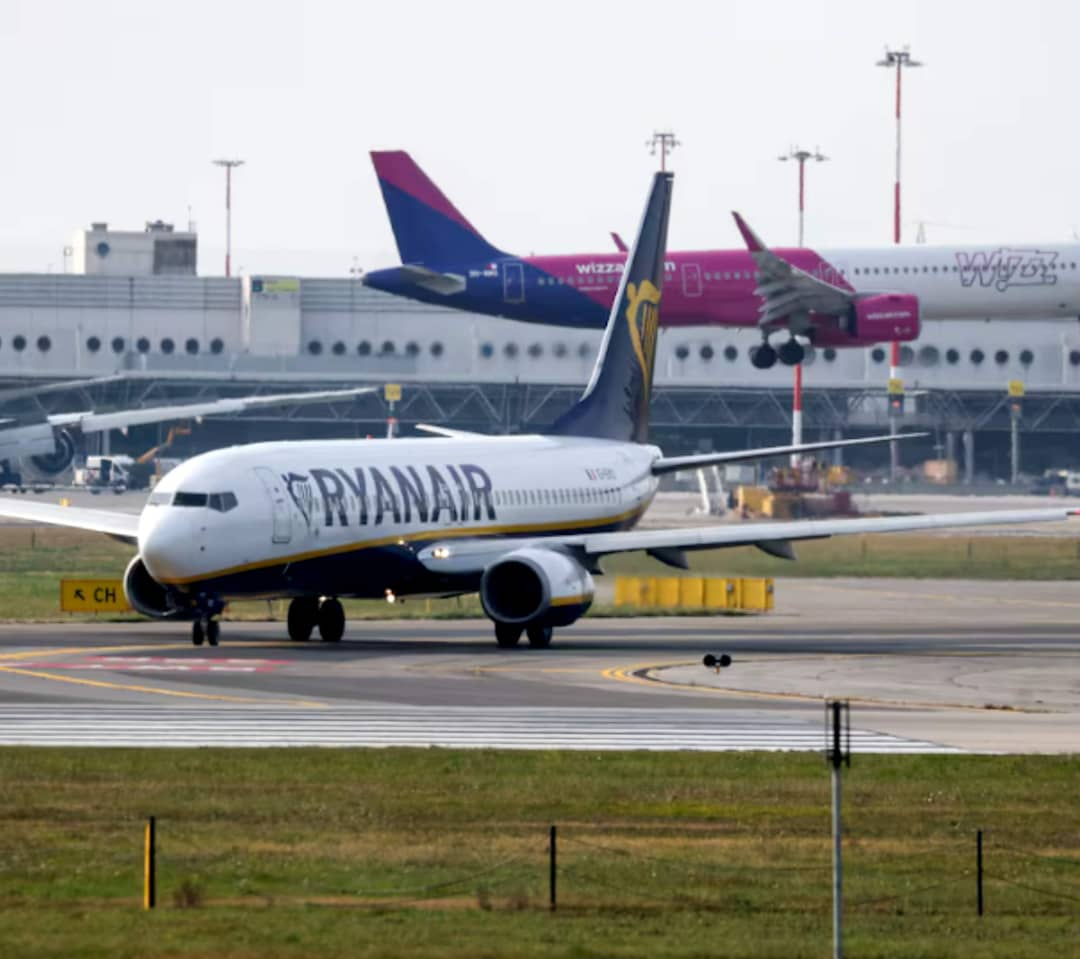
Twenty-seven passenger flights across Europe were disrupted on November 5, 2026, following false messages claiming that bombs had been placed on board. The threats forced some aircraft to change destinations, while others were delayed, grounded or subjected to security searches.

Denmark, Poland and Romania were among the countries affected. These countries had previously accused Russia of involvement in similar activities. Germany also accused Russia of carrying out an attack targeting Leipzig Airport in August. The United Kingdom had previously made similar accusations against Russia and also linked Iran to an alleged plot targeting US airports. However, both Russia and Iran have denied involvement in such activities.
Eric Schouten, head of aviation security company Dyami, said the countries affected by the latest incidents are among those supporting Ukraine in its war against Russia. He noted that investigators could examine whether the incidents form part of a broader hybrid warfare campaign targeting different sectors, including railways, supermarkets, blood banks, energy infrastructure, internet services and air transport.
Aircraft Diverted and Escorted Across Europe
In France, the office of Prime Minister Sébastien Lecornu announced that fighter jets had been deployed to escort an Aer Lingus aircraft travelling from Dublin to Rome. The aircraft was diverted to the Évreux airbase. The office stated that the pilot had failed to cooperate with the relevant authorities as expected but did not provide further details about the incident. Meanwhile, the Bulgarian Air Force escorted three aircraft. Two Ryanair flights travelling from Copenhagen and Madrid to Sofia reached their destinations, while another flight from London to Sofia was diverted to Plovdiv.
In Spain, security authorities received three bomb-threat emails within less than 20 minutes. The threats targeted two Air Europa flights travelling from Madrid to Paris and four Iberia flights arriving from Rome and Milan. As a precaution, some aircraft were grounded or immediately returned to their parking positions in Madrid. Passengers were evacuated to allow security teams to search the aircraft.
In Warsaw, a LOT flight bound for Paris was stopped shortly before take-off, and passengers were transferred to another aircraft. A separate flight from Cork, Ireland, experienced a 90-minute delay. In Copenhagen, police searched two aircraft. Italian media also reported that a Wizz Air flight travelling from Milan to Warsaw was diverted to Vienna.
False Threats Raise Concerns Over Aviation Security
Joji Waites, who is responsible for aviation security at the British Airline Pilots’ Association, said airlines take action whenever security analysts establish that a threat is credible. Similarly, Eliran Almog, head of Cyviation, explained that such messages can disrupt airline operations while allowing those behind them to observe how airlines, airports and relevant authorities respond to emergencies.
He added that the incidents are occurring at a time when cyberattacks are also targeting refrigeration systems used to preserve goods in supermarkets across Europe. According to Almog, disrupting essential services can cause financial losses and undermine public confidence in those services. The latest incidents followed another series of security alerts on Tuesday, when at least seven aircraft and tourist boats received false threatening messages warning of attacks. The warnings forced authorities to stop and search the affected vessels and aircraft.