



























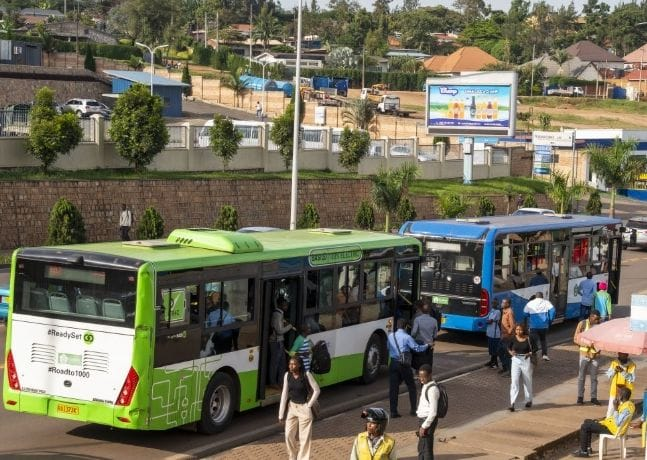
Prime Minister Dr. Justin Nsengiyumva has announced that the Government of Rwanda invested more than RWF 47.7 billion in passenger and freight transport subsidies between March and June 2026, helping to keep diesel prices at RWF 2,927 per litre instead of the market price of RWF 3,600.

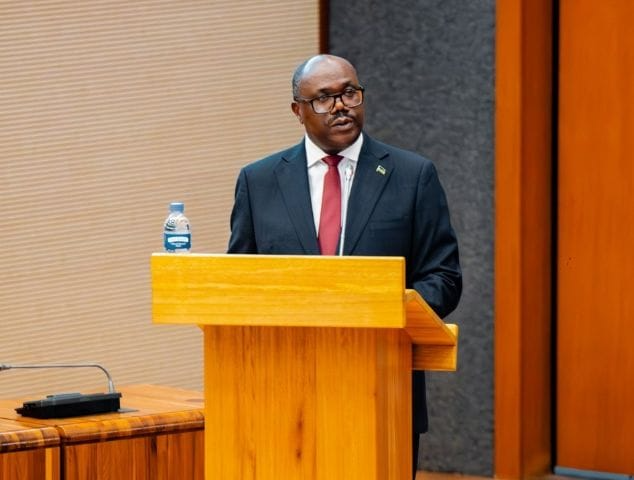
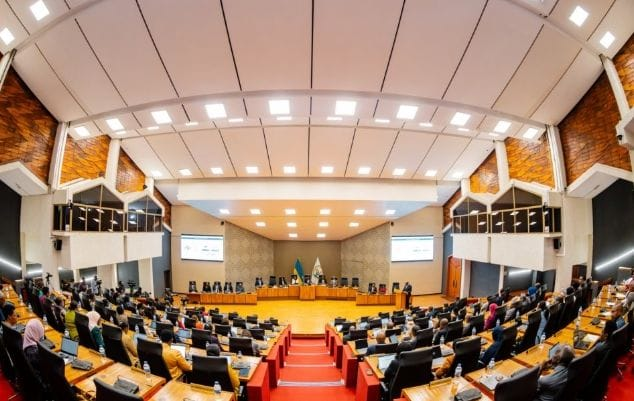
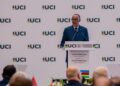
He made the remarks on Thursday, July 9, 2026, while presenting the Government’s initiatives to strengthen Rwanda’s economic resilience and protect citizens’ welfare before a joint session of Parliament.
Global Oil Price Surge Increased Economic Pressure
Dr. Nsengiyumva said Rwanda’s economy has been affected by rising international fuel prices, driven largely by geopolitical tensions, particularly the conflict in the Middle East, which has disrupted global energy markets.
According to the Prime Minister, the price of a barrel of crude oil rose from US$70 in February 2026 to more than US$126, resulting in an almost 48 percent increase in petrol prices and a 50 percent rise in diesel prices on international markets.
He noted that the increase has affected transport, fertilizers, cooking gas, and food prices, contributing to a higher cost of living.
Fuel Subsidies Helped Protect Households
To cushion the economy from these external shocks, the Government introduced a fuel subsidy programme between March and June 2026.
Dr. Nsengiyumva said: “The Government introduced a fuel subsidy programme between March and June 2026, allocating nearly RWF 48 billion to support passenger and freight transport. This subsidy enabled diesel prices to remain at RWF 2,927 per litre, instead of rising to the market-based price of RWF 3,600 per litre,”
He added that the intervention helped slow increases in transport fares and the prices of essential goods, reducing the impact on households and businesses while supporting continued economic activity.
Rwanda Expands Strategic Fuel Storage Capacity
The Prime Minister also highlighted ongoing investments in Rwanda’s petroleum infrastructure.
He said the country currently has the capacity to store 118 million litres of petroleum products, with storage capacity expected to increase to 230 million litres by 2029: “This will strengthen the country’s ability to withstand disruptions in international markets and ensure a reliable and continuous supply of petroleum products,”.
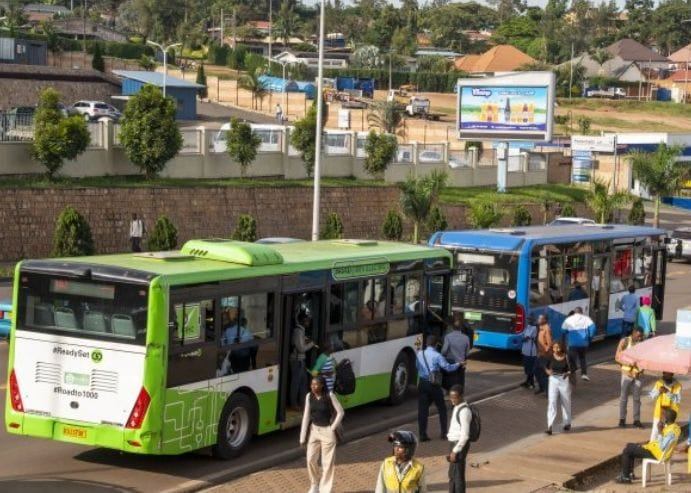
Bus Passenger Numbers Rise by 15 Percent
According to the latest fuel price adjustment announced on June 5, 2026, petrol is retailing at RWF 2,938 per litre, while diesel remains at RWF 2,927 per litre across Rwanda.
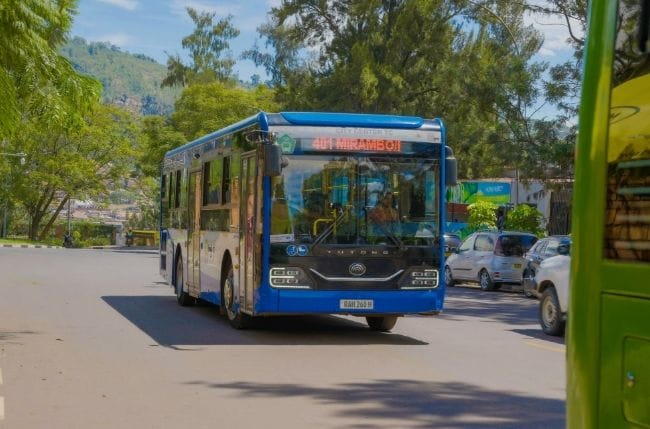
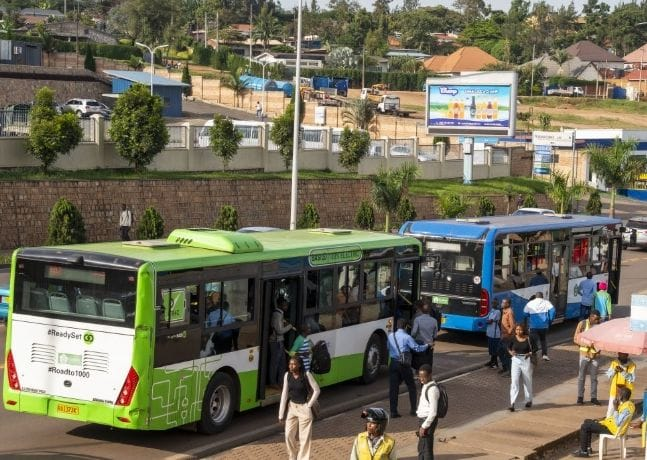
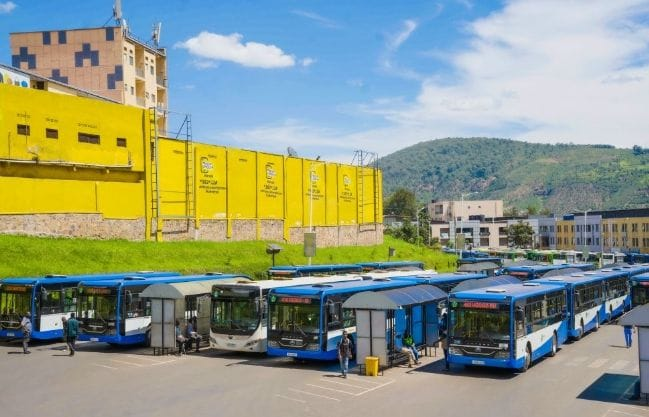
The Prime Minister also revealed that the number of people using public buses has increased by 15 percent over the past six months, reflecting growing reliance on public transport as the Government continues implementing measures to improve mobility and shield citizens from rising transport costs.