














The Democratic Republic of the Congo (DRC) has officially acknowledged that it hosts 196,289 Rwandan refugees and asylum seekers, of whom only 75,421 have been biometrically registered.

ALSO READ: Key Decisions on Rwandan and Congolese Refugees: Major Outcomes from Addis Ababa
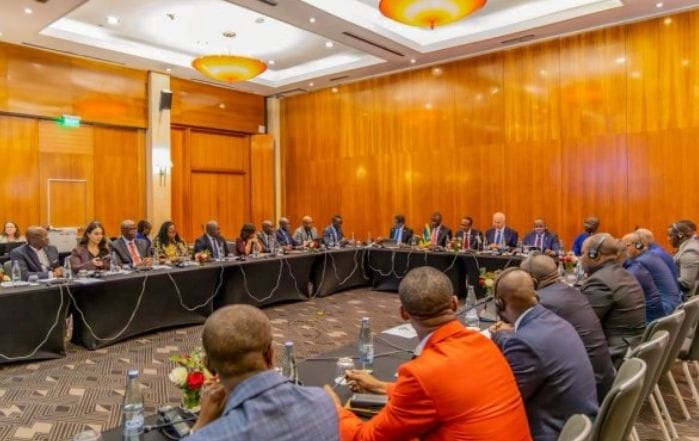
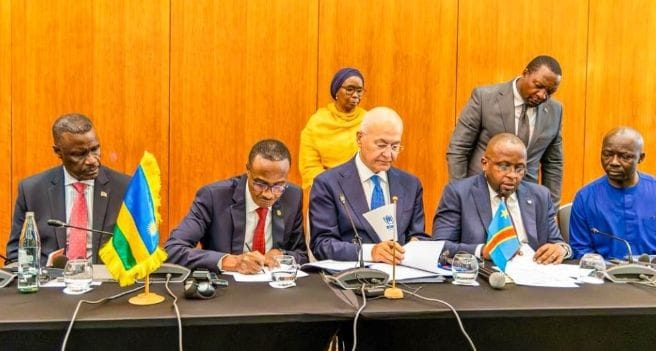
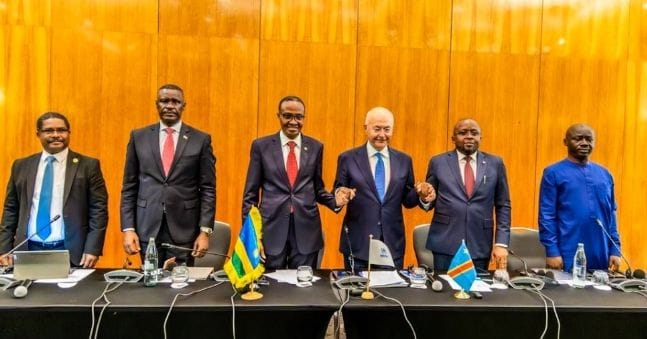
This figure was disclosed in a joint communiqué signed by the governments of the DRC and Rwanda, together with the United Nations High Commissioner for Refugees (UNHCR), following a ministerial-level meeting held in Addis Ababa, Ethiopia, from 20 to 21 June 2026.
Agreements Reviewed
ALSO READ: Key Decisions on Rwandan and Congolese Refugees: Major Outcomes from Addis Ababa
According to the statement released on 22 June, the meeting reviewed progress in implementing agreements concerning the voluntary repatriation of Congolese refugees living in Rwanda and Rwandan refugees residing in the DRC.
The discussions were guided by the Tripartite Agreement signed on 17 February 2010, as well as international refugee protection frameworks, including the 1951 Refugee Convention, its 1967 Protocol, and the 1969 OAU Convention Governing the Specific Aspects of Refugee Problems in Africa.
The communiqué noted that the meeting formed part of ongoing efforts to secure durable solutions for refugees and built on political and technical progress already achieved. It also drew upon the Peace and Development Cooperation Agreement signed between Rwanda and the DRC in Washington on 4 December 2025.
Updated Refugee Statistics
The communiqué confirmed that the DRC hosts 196,289 Rwandan refugees and asylum seekers, while Rwanda currently hosts 84,456 Congolese refugees and asylum seekers.
Since January 2025, a total of 8,394 Rwandans have voluntarily returned home from the DRC in safety and dignity, including 2,347 returnees in 2026 alone. Both parties reaffirmed plans to facilitate the return of 10,000 individuals during 2026.
The DRC also confirmed that more than 3,600 Rwandans in South Kivu Province have expressed a desire to return to Rwanda. These returnees will transit through the Kamanyola border post on the Congolese side and Bugarama on the Rwandan side.
Additionally, more than 400 Rwandans have spent over a month awaiting repatriation in temporary transit centers located in North Kivu and South Kivu. Rwanda reiterated its commitment to receiving all citizens wishing to return voluntarily while maintaining public health measures, particularly those aimed at preventing the spread of Ebola, which continues to affect parts of the DRC.
Congolese Refugees in Rwanda
Regarding Congolese refugees in Rwanda, the communiqué noted that voluntary repatriation has not yet commenced. However, beginning in October 2026, the DRC will designate official reception and transit points for returning refugees.
Rwanda has hosted Congolese refugees for many years, particularly those fleeing insecurity in eastern DRC. Many have cited armed violence, discrimination, killings, and attacks targeting Kinyarwanda-speaking Congolese communities as reasons for seeking refuge.
Monitoring and Next Steps
The two governments agreed to hold quarterly meetings, either in person or virtually, to monitor progress. The first follow-up meeting is scheduled for September 2026 and will focus on strengthening coordination in implementing the voluntary repatriation programme.
UNHCR participated in the discussions as a neutral partner mandated to protect refugees and support durable solutions. Both Rwanda and the DRC commended the agency’s role and confirmed that it will continue to assist in monitoring and implementing the repatriation process.