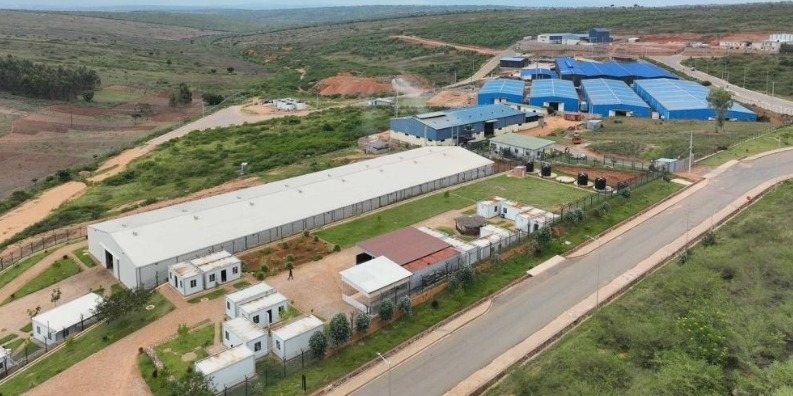































Senators have expressed concern over the increasing number of industrial parks being designated across Rwanda, warning that the trend could drive up land prices and undermine proper land-use planning if not well managed.

The concerns were raised on August 3, 2026, as the government presented its strategy for developing infrastructure in industrial parks before the Senate.
Senator Laétitia Nyinawamwiza questioned the continued expansion of industrial zones, noting that many districts now have areas reserved for industrial development, with Kigali alone reportedly having 30 designated industrial sites.
“We found many places that are called industrial parks and in all districts. For example, in Kigali City alone, we were told that 30 places were earmarked for industrial parks.”
She questioned whether setting aside so much land for industrial use could affect other priority sectors such as housing, agriculture and forestry.
“Wouldn’t it interfere with other activities that are intended for land such as housing, agriculture and forestry? We wanted to know whether MINICOM has assessed this and whether these decisions are within its mandate.”
Senator Evode Uwizeyimana also raised concerns about factories operating outside designated industrial parks, saying regulations should be applied consistently.
“There are industries built within communities that should be located in industrial zones. If houses built in undesignated areas are demolished, why aren’t industries operating outside industrial parks also relocated?”
Responding to the senators, Minister of Trade and Industry Antoine Marie Kajangwe acknowledged that industrial development has expanded without adequate coordination, making planning and supervision more difficult.
He admitted that the growing number of small industrial sites has scattered investment and reduced the efficiency of infrastructure development.
“Since we have 30 industrial zones in a city like Kigali, it is actually too many, and we are starting to disperse our efforts.”
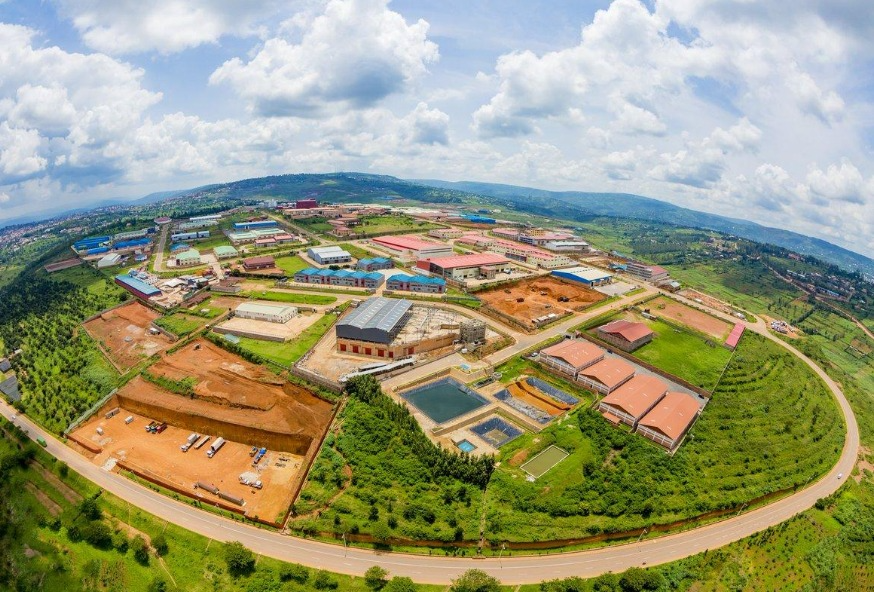
Minister Kajangwe said the government has now adopted a new approach that limits each district to one industrial park, while Kigali City will have five, to improve planning and infrastructure management.
He added that concentrating industries in fewer, well-equipped locations will make it easier to provide essential services such as roads, electricity and water, while ensuring every industrial park has effective management and oversight.