






















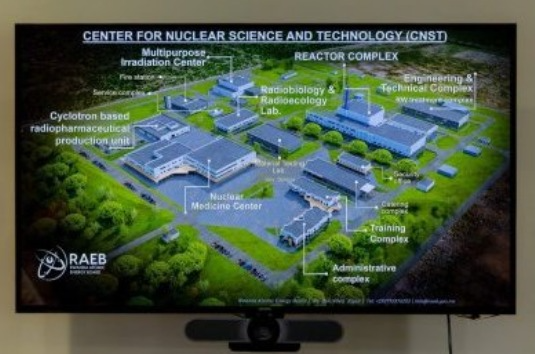
The estimated cost of constructing Rwanda’s Centre for Nuclear Science and Technology (CNST) has been reduced from $800 million to $500 million following technical studies and comparisons with similar nuclear research facilities around the world, according to the Director General of the Rwanda Atomic Energy Board (RAEB), Dr. Fidele Ndahayo.

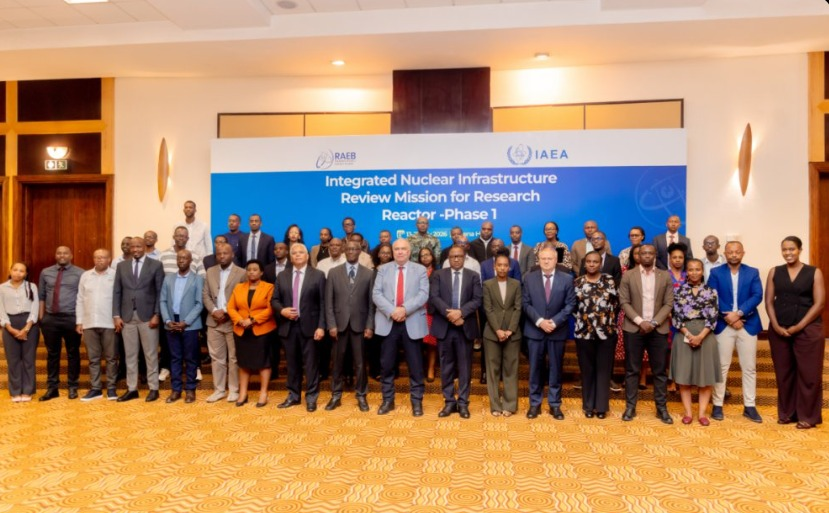
The announcement was made on July 21, 2026, following the conclusion of a nine-day assessment mission by experts from the International Atomic Energy Agency (IAEA), who evaluated Rwanda’s preparedness to develop nuclear research infrastructure.
IAEA Confirms Rwanda Has Met Initial Requirements
The Integrated Nuclear Infrastructure Review Mission for Research Reactors (INIR-RR), conducted from July 13 to 21, 2026, assessed Rwanda’s progress in establishing the infrastructure needed to develop a national nuclear science and technology centre.
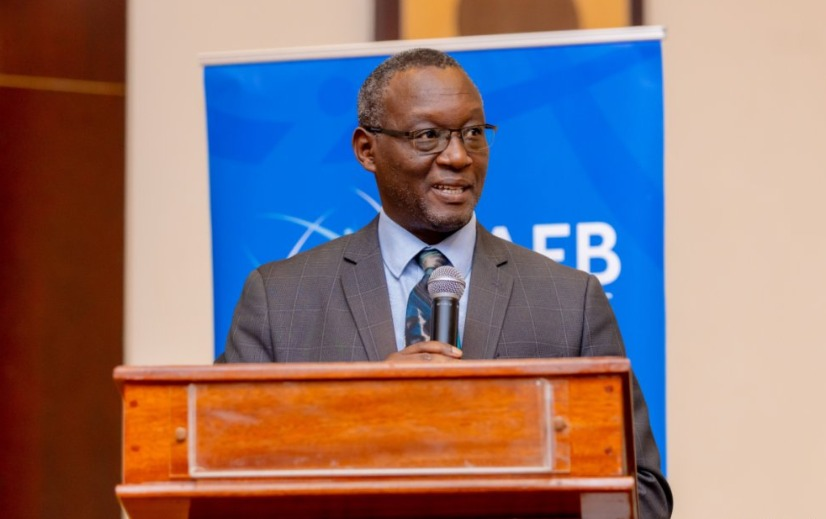
Dr. Ndahayo said the mission concluded successfully, confirming that Rwanda had fulfilled the requirements for the project’s first phase.
he said: “They found that we met the requirements in the first phase of building the research center.”
Next Phase Focuses on Partnerships
According to Dr. Ndahayo, Rwanda will now concentrate on building partnerships with universities, research institutions, and international organizations to strengthen technical expertise and prepare for the construction and future operation of the centre.
He noted that land for the project has already been identified in Bugesera District, although no official construction start date has yet been announced.
Project Cost Reduced by $300 Million
Rwanda initially approved plans for the nuclear science centre on October 30, 2024, with an estimated cost of $800 million.
Following detailed technical analyses and studies of comparable research facilities, the estimated cost has been revised downward to $500 million, representing a reduction of $300 million, or 37.5 percent, from the original estimate.
“After discussing and conducting various analyses, looking at similar facilities that have been built, we found that the costs could be reduced to $500 million,” Dr. Ndahayo explained.
ALSO READ: https://agaciropress.com/afc-m23-commission-the-pass-out-of-over-9300-new-commandos/
IAEA Commends Rwanda’s Nuclear Development Strategy
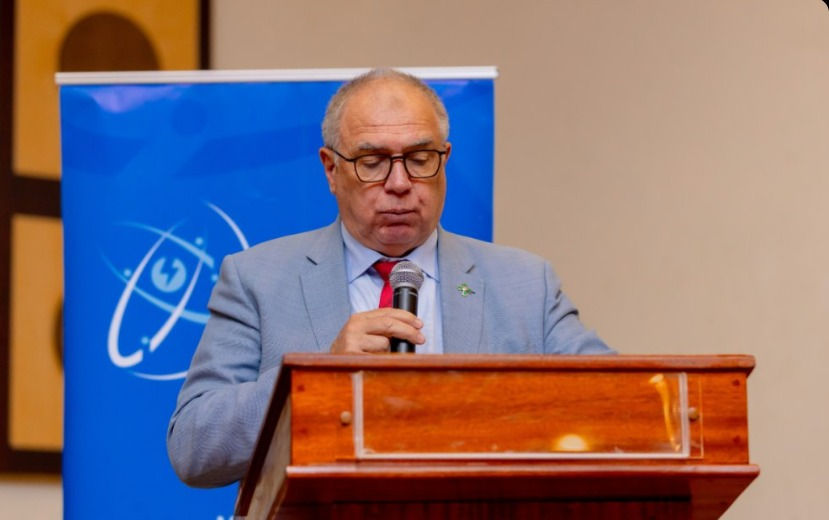
IAEA Deputy Director General Mikhail Chudakov praised Rwanda’s steady progress in establishing the institutions, expertise, and systems required to safely develop nuclear science and technology.
“Rwanda is showing that it is a country that can build institutions, knowledge and methods to use nuclear energy in different phases. They do this well through partnerships with various institutions that have the capacity and will help the country achieve its goals in just 10 years,” he said.
Research Reactor to Support Science and Innovation
The Centre for Nuclear Science and Technology will include a 400-kilowatt research reactor designed primarily for scientific research, education, and the production of radioisotopes used in medicine and industry rather than electricity generation.
The reactor will support scientific research and provide radiation-based technologies for a wide range of peaceful applications.
Boosting Agriculture and Food Security
The facility will also house laboratories dedicated to agricultural research and food technology.
These will support the development of improved crop varieties capable of withstanding changing climate conditions and enable food irradiation technologies that extend the shelf life of agricultural products, contributing to improved food security.
Advancing Healthcare and Nuclear Medicine
The planned centre is expected to strengthen Rwanda’s healthcare system by expanding nuclear medicine and pharmaceutical research.
Its laboratories will support disease diagnosis, treatment, and medical research, reducing the need for some patients to seek specialized services abroad.
Developing Rwanda’s Nuclear Workforce
A key component of the CNST will be a training centre dedicated to developing the skilled workforce needed to operate nuclear research facilities.
The programme will prepare scientists, engineers, and technicians capable of managing future nuclear technologies and could also provide the expertise required if Rwanda later proceeds with plans to develop nuclear power for electricity generation.
Overall, the Centre for Nuclear Science and Technology is expected to become a cornerstone of Rwanda’s scientific development, supporting research, healthcare, agriculture, industry, innovation, and human capacity development while laying the foundation for the country’s long-term nuclear technology ambitions.