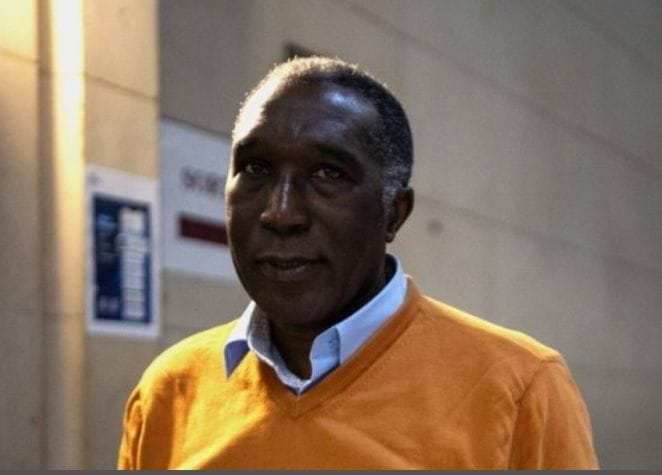



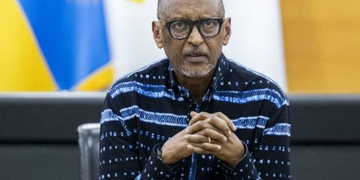








Dr. Eugène Rwamucyo, who is appealing his 2024 conviction for genocide and crimes against humanity, told the Paris Criminal Court in France that he lost documents that could have helped identify the burial sites of Tutsi victims killed during the 1994 Genocide against the Tutsi.

The physician is accused of participating in the Genocide against the Tutsi in the former Butare Prefecture. He was among the officials and intellectuals who attended a meeting convened by then-Prime Minister Jean Kambanda at the former National University of Rwanda, where Hutu participants were urged to carry out the genocide.
Allegations Over the Burial of Victims
Dr. Rwamucyo supervised the burial of Tutsi victims killed in different parts of Butare, using heavy equipment, including a road construction machine. French prosecutors argue that these operations were intended to conceal evidence of the genocide.
On the 22nd day of the appeal hearing, Dr. Rwamucyo, who was sentenced to 27 years in prison, told the court in Paris that he never sought to conceal the victims’ bodies, arguing that it would have been impossible to hide atrocities that had unfolded publicly over several weeks.
ALSO READ: https://agaciropress.com/rwanda-police-welcomes-over-160-students-from-across-africa/
Questions on the Burial Process
Richard Gisagara, one of the lawyers representing the civil parties, questioned Dr. Rwamucyo about the number of bodies he had buried. He testified that approximately 50 bodies were buried in Butare town, another 50 in Taba, between 60 and 100 near Nyakibanda Seminary, and around 200 in Nyumba.
The lawyer also asked why the victims had not been buried individually. Dr. Rwamucyo replied that individual burials were not feasible under the circumstances, which is why the bodies were interred in mass graves.
Another lawyer representing the civil parties asked whether the bodies could have been placed in a designated location while awaiting dignified burial. Dr. Rwamucyo responded that no suitable location had been available.
ALSO READ: https://agaciropress.com/rdf-honours-retiring-personnel-during-fourteenth-send-off-ceremony/
Rwamucyo Defends His Actions
He told the court that he decided to bury the bodies to remove them from open areas and protect public health, maintaining that the operation was carried out as a humanitarian and emergency response.
Although Dr. Rwamucyo argued that no legal framework existed at the time for burying the victims in Butare, the presiding judge reminded him that the Geneva Conventions provided principles that could have been applied to document burial sites and keep records of those buried.
Dr. Rwamucyo responded that the Geneva Conventions did not apply to what he described as the “unconventional conflict” taking place in Rwanda. He added that the burials were intended to be temporary and were necessary to prevent public health risks.
Missing Records and Survivors’ Pain
The doctor further testified that the burial locations of the victims in Butare were known to those involved in the operation. However, he acknowledged that he neither drew maps of the sites nor produced an official report. He claimed that although he had prepared written records, they were lost when he fled Rwanda in June 1994.
The presiding judge noted that many Genocide survivors continue to suffer because they do not know where the remains of their relatives are buried, preventing them from giving them a dignified burial. Dr. Rwamucyo responded that he understood their pain, adding that he had also lost a brother.